Commercial Roofing Systems
System Selection Based on Performance, Structure, and Use
Commercial roofing systems are specialized assemblies designed to protect buildings from weather exposure, water intrusion, and structural damage. System selection is based on building design, operational requirements, and long-term performance expectations.
At the commercial level, roofing systems are not interchangeable.
Each system is designed for specific conditions, structures, and performance requirements. The wrong selection—or improper installation—can create long-term issues that impact cost, operations, and reliability.
Crowther works across a full range of commercial systems, focusing on proper selection, correct installation, and alignment with the building’s intended use.
System Selection Approach
There is no single system that fits every project. Selection is based on what performs best under the specific conditions of the building.
System selection is driven by:
Building structure and design
Slope and drainage conditions
Environmental exposure
Usage and operational requirements
Long-term performance expectations
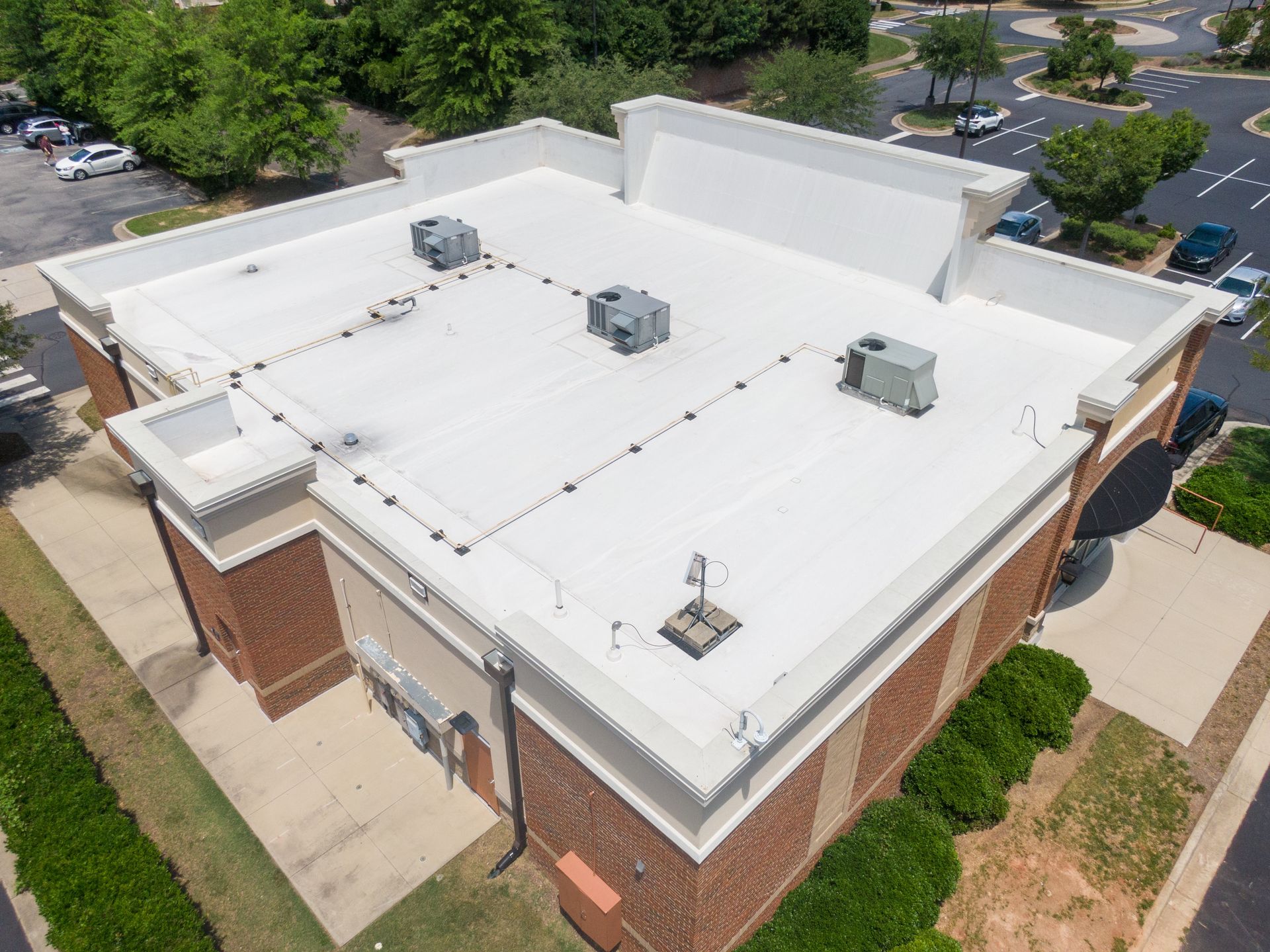
Flat Roofing Systems
Flat and low-slope systems are the most common solution for commercial properties.
These systems rely on membrane-based assemblies designed to manage water, control drainage, and maintain performance across large surface areas.
Includes:
- TPO Roofing
- EPDM Roofing
- PVC Roofing
- Modified Bitumen Roofing
Each system offers different performance characteristics depending on the building and application.

Metal Roofing Systems
Metal systems are used where durability, structural performance, and long-term reliability are priorities.
These systems are designed to handle exposure, expansion, and environmental stress while maintaining system integrity.
Includes:
- Standing Seam Metal
- Structural Metal Systems
System selection depends on structural requirements and design intent.
Other Roofing Systems
Certain projects require alternative systems based on architectural design or specific use cases.
These systems are typically applied where standard commercial assemblies are not the primary solution.
Includes:
- Tile Roofing
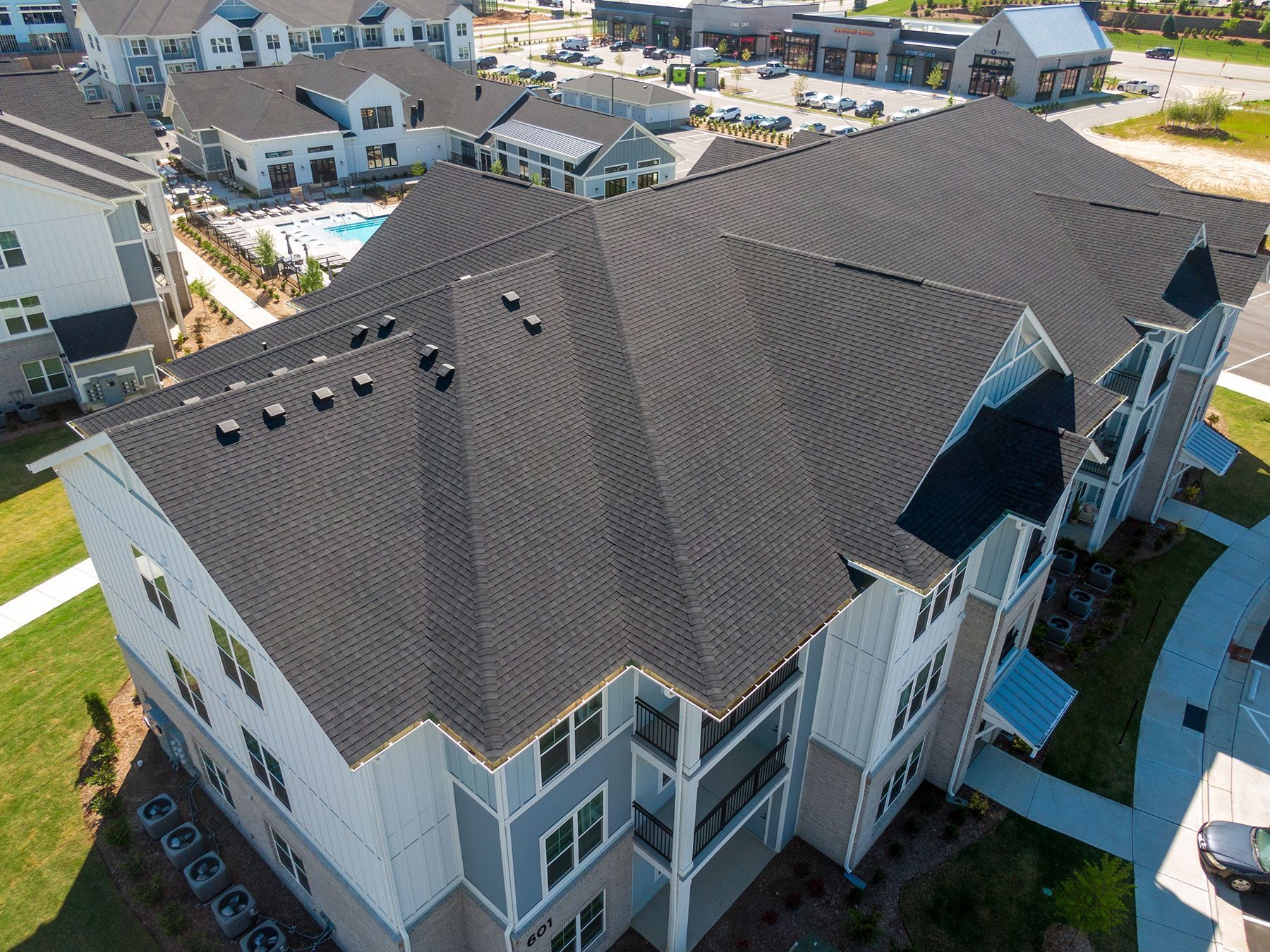
- Asphalt Shingle Roofing
These systems are used selectively based on structure and design requirements.
Integration with Maintenance Programs
All commercial roofing systems require ongoing maintenance to perform as intended.
Maintenance supports:
- Early issue identification
- Consistent system condition
- Reduced emergency service needs
Commercial Roofing Systems Across Florida
Commercial roofing system installation and support are provided throughout Florida, including Fort Myers, Sarasota, Tampa, Jupiter, and surrounding markets.
Systems are evaluated and applied based on project-specific requirements.
Frequently Asked Questions
What is the most common commercial roofing system?
Flat and low-slope membrane systems are the most widely used across commercial buildings.
How is the right system selected?
System selection is based on structure, usage, environmental conditions, and performance requirements.
Are all systems interchangeable?
No. Each system is designed for specific conditions and applications.
Does system type affect maintenance requirements?
Yes. Different systems require different maintenance approaches and schedules.
Can multiple systems be used on one building?
Yes. Some buildings utilize multiple systems depending on design and structure.