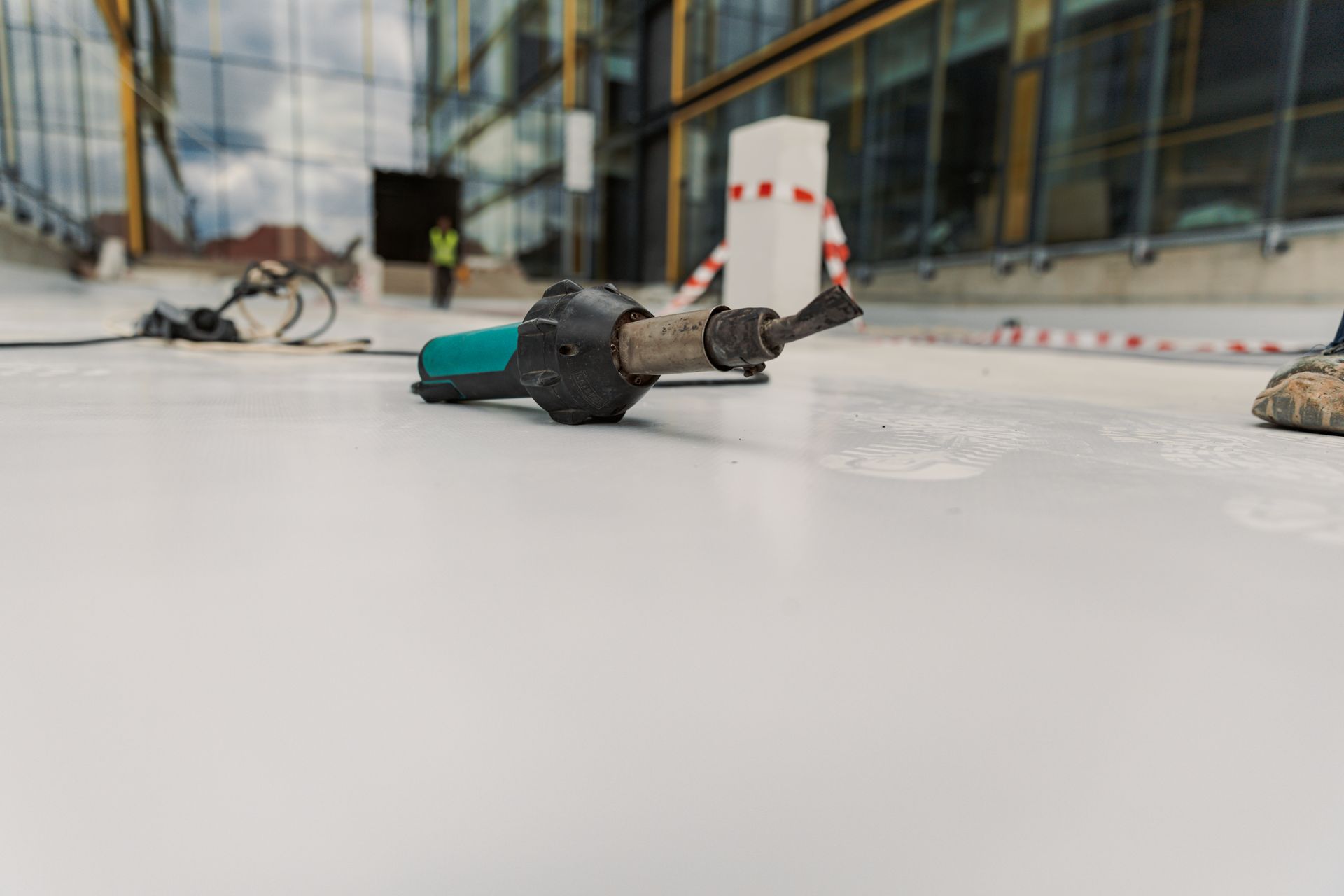
Flat Roofing in Florida
Designed for Low-Slope Roofs Where Drainage and Waterproofing Matter Most
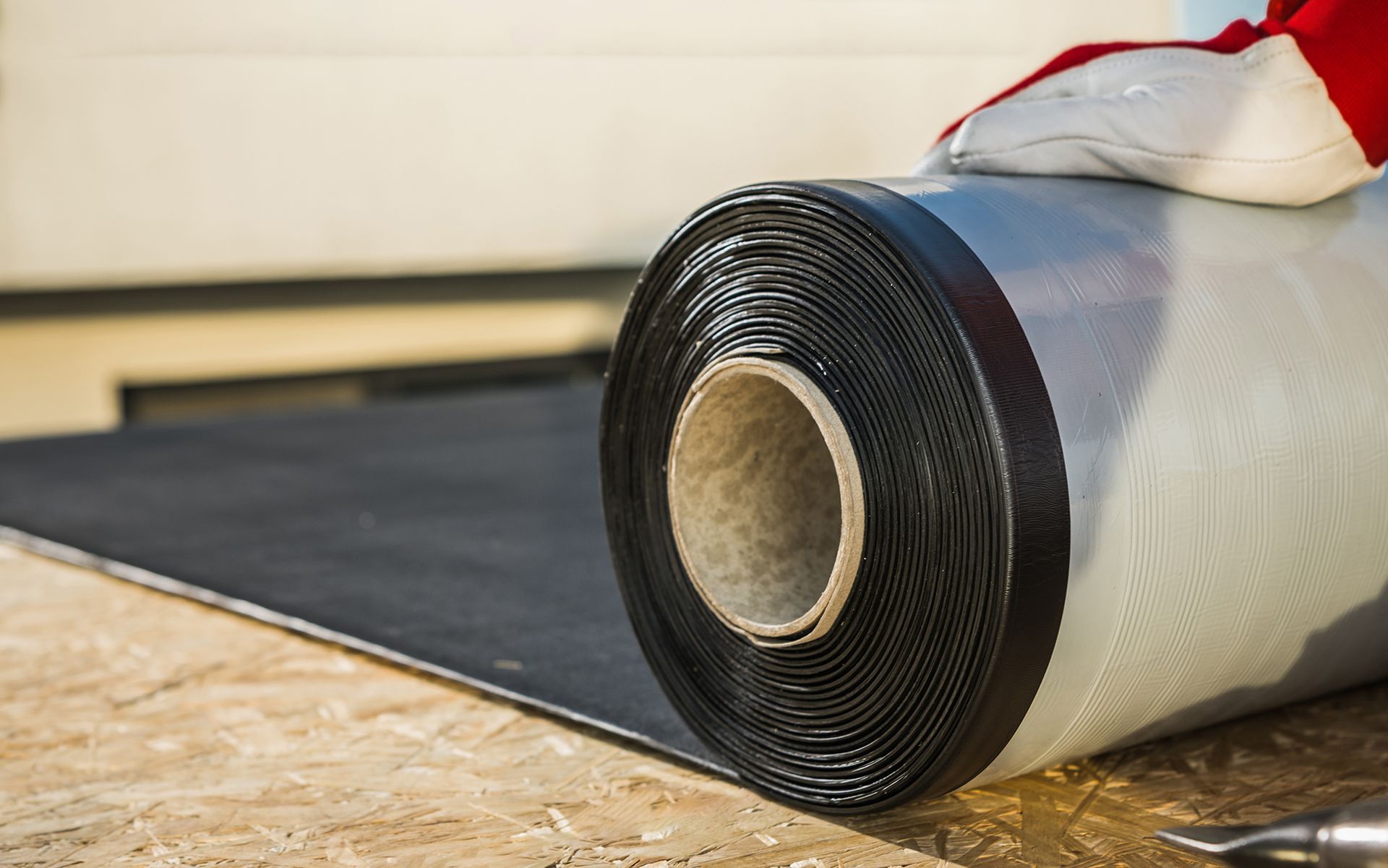
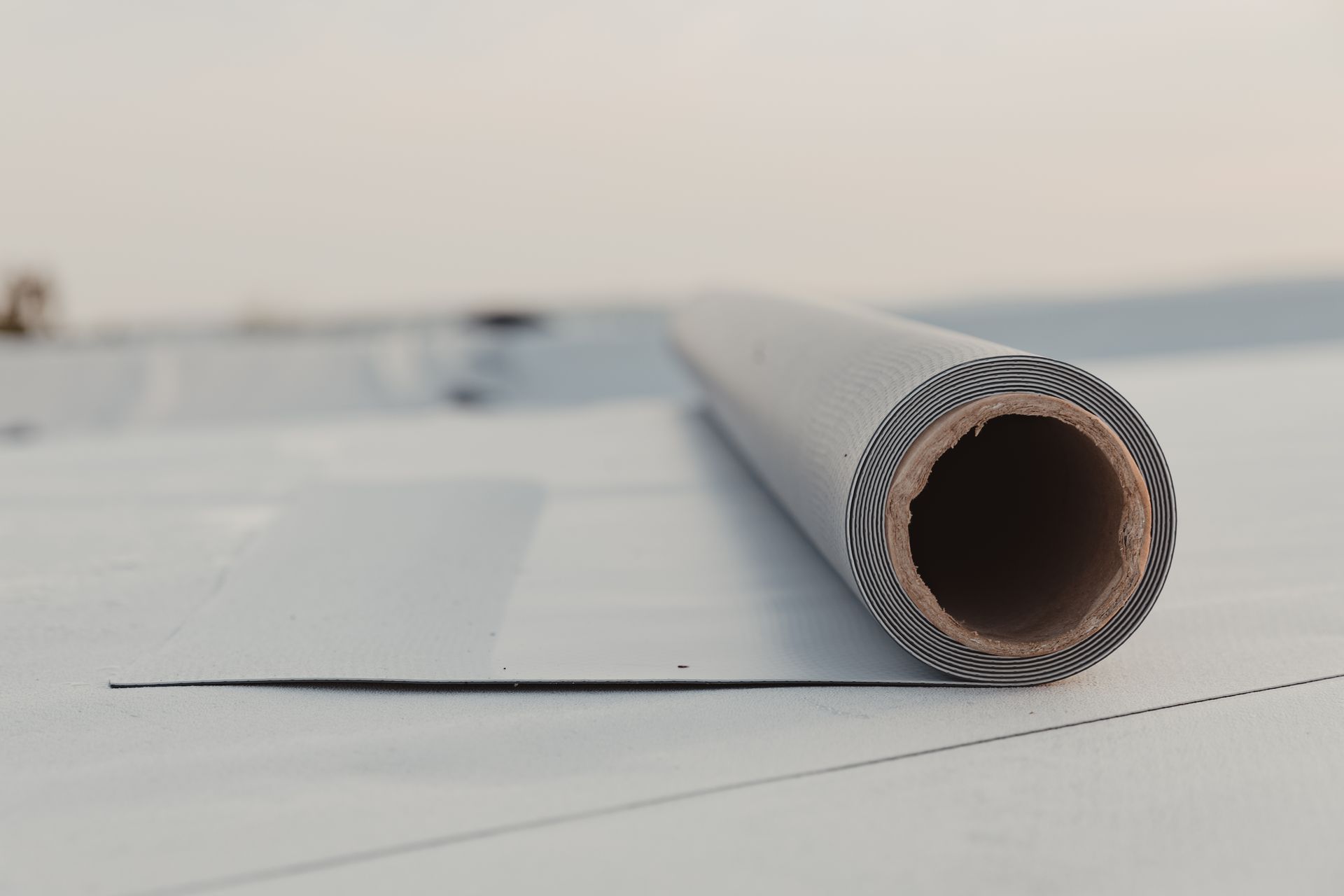
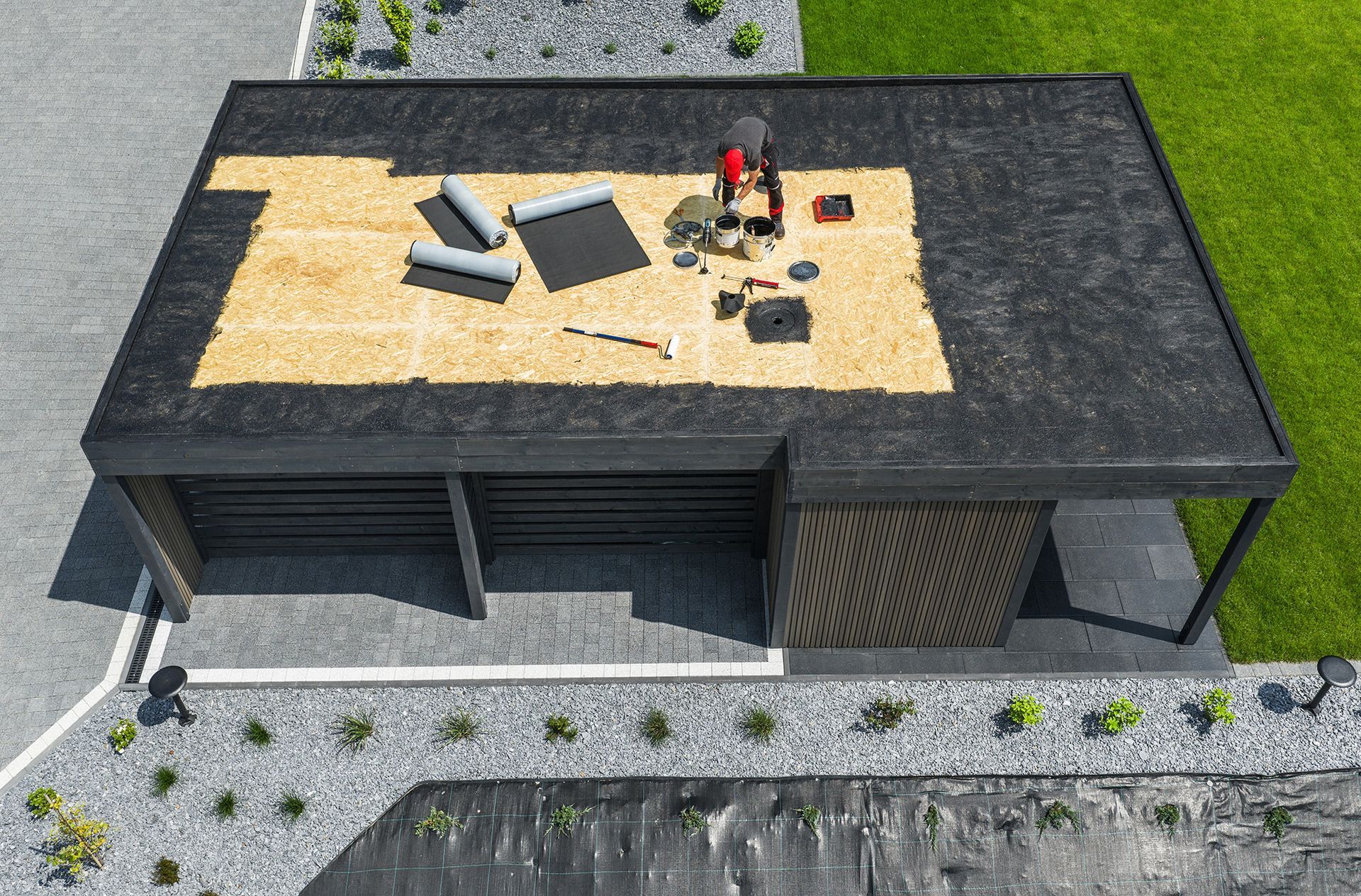
Flat roofing refers to roofing systems designed for low-slope or nearly flat surfaces, using specialized materials to prevent water intrusion and manage drainage. These systems rely on waterproof membranes rather than traditional shingles or tiles.

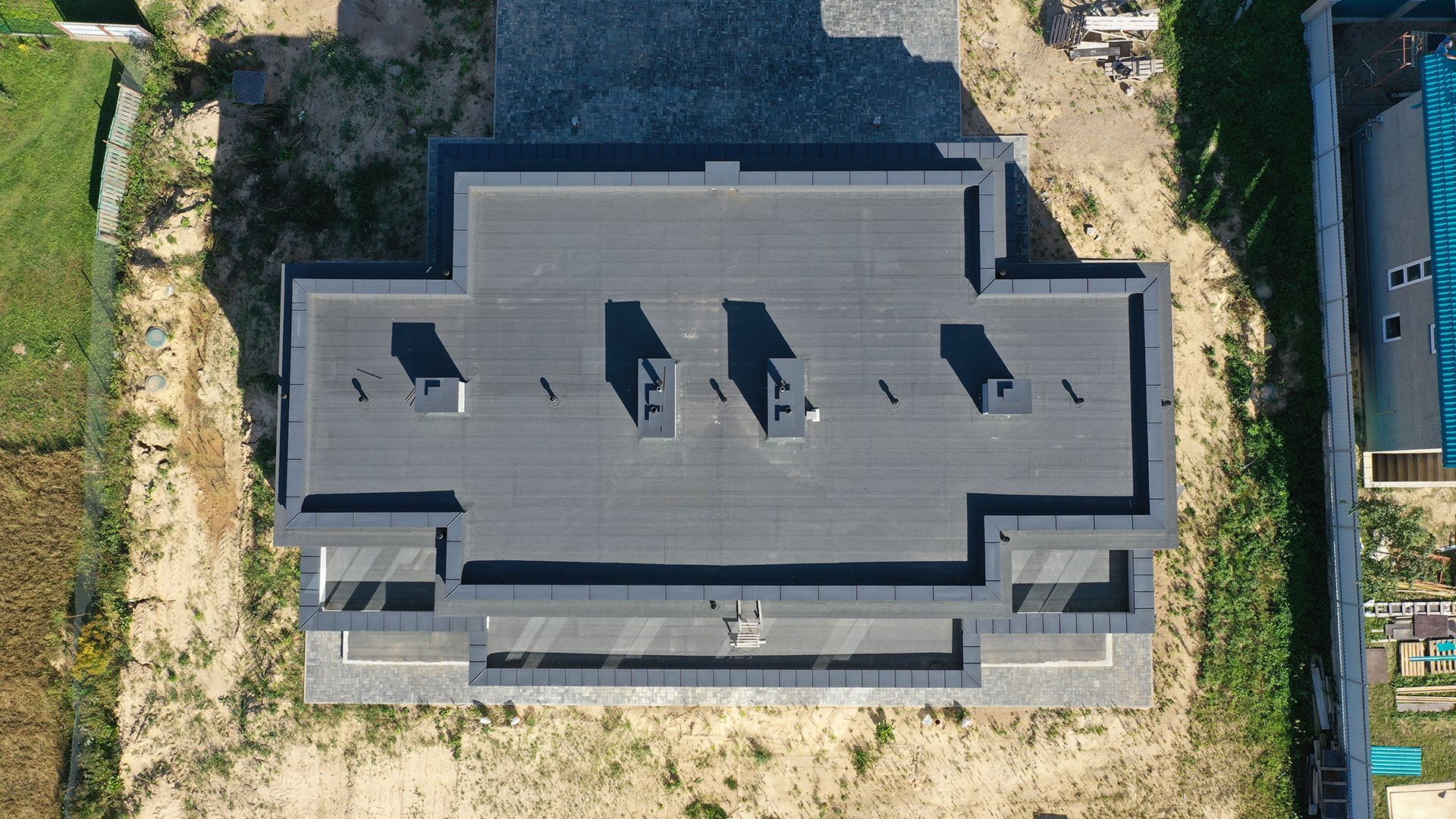
Flat roofs aren’t actually “flat”—they’re low-slope systems designed to move water slowly and deliberately.
That difference matters.
Unlike sloped roofs that shed water quickly, flat roofing systems depend heavily on proper drainage, sealing, and installation. When those elements are done right, flat roofs perform well. When they’re not, problems tend to show up quickly.
At Crowther, we approach flat roofing as a system that needs to be built and maintained with precision—not guesswork.
Where flat roofing is typically used
It’s not used on every home—but when the design calls for it, it requires the right system to work properly.
Flat and low-slope roofing is common in:
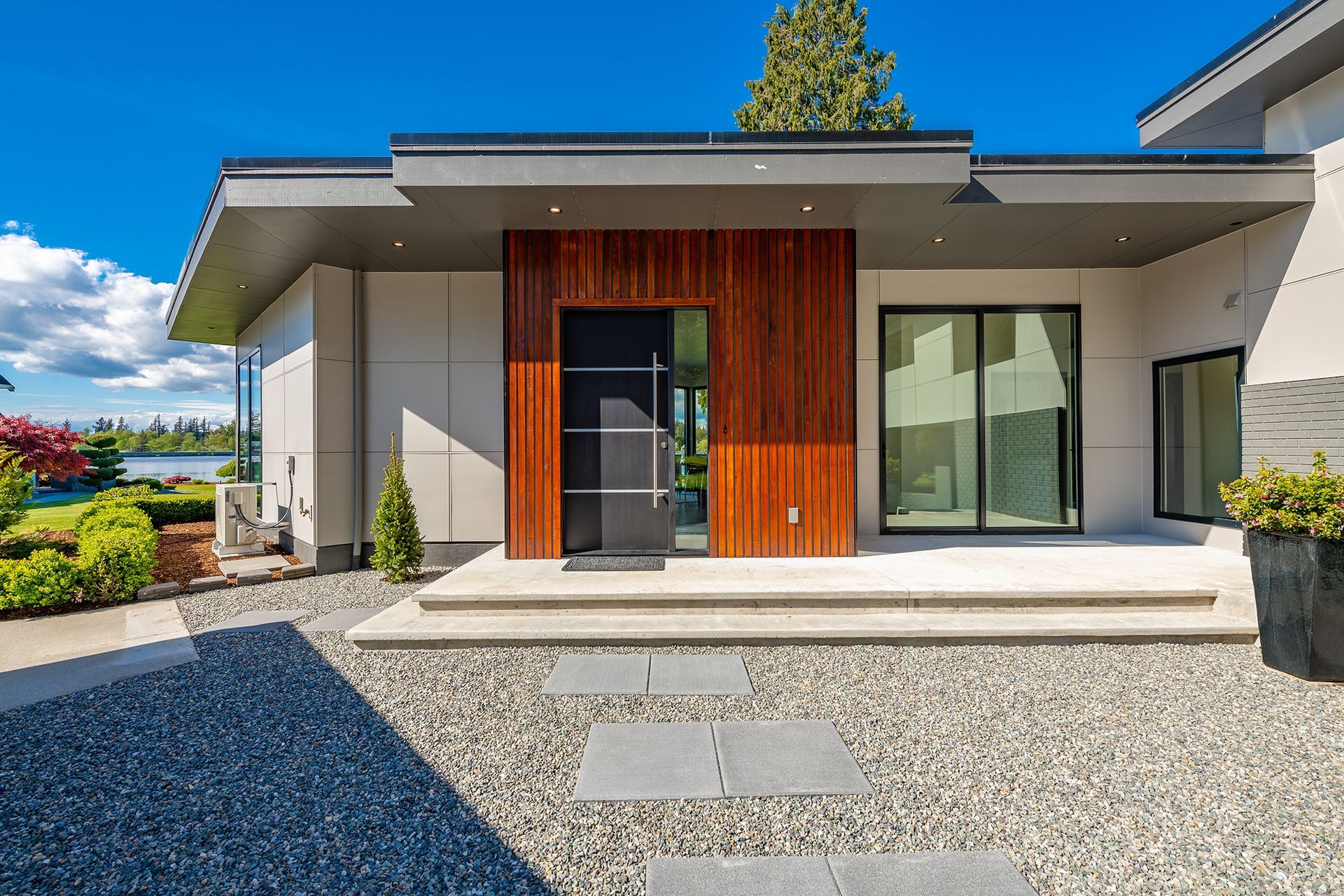
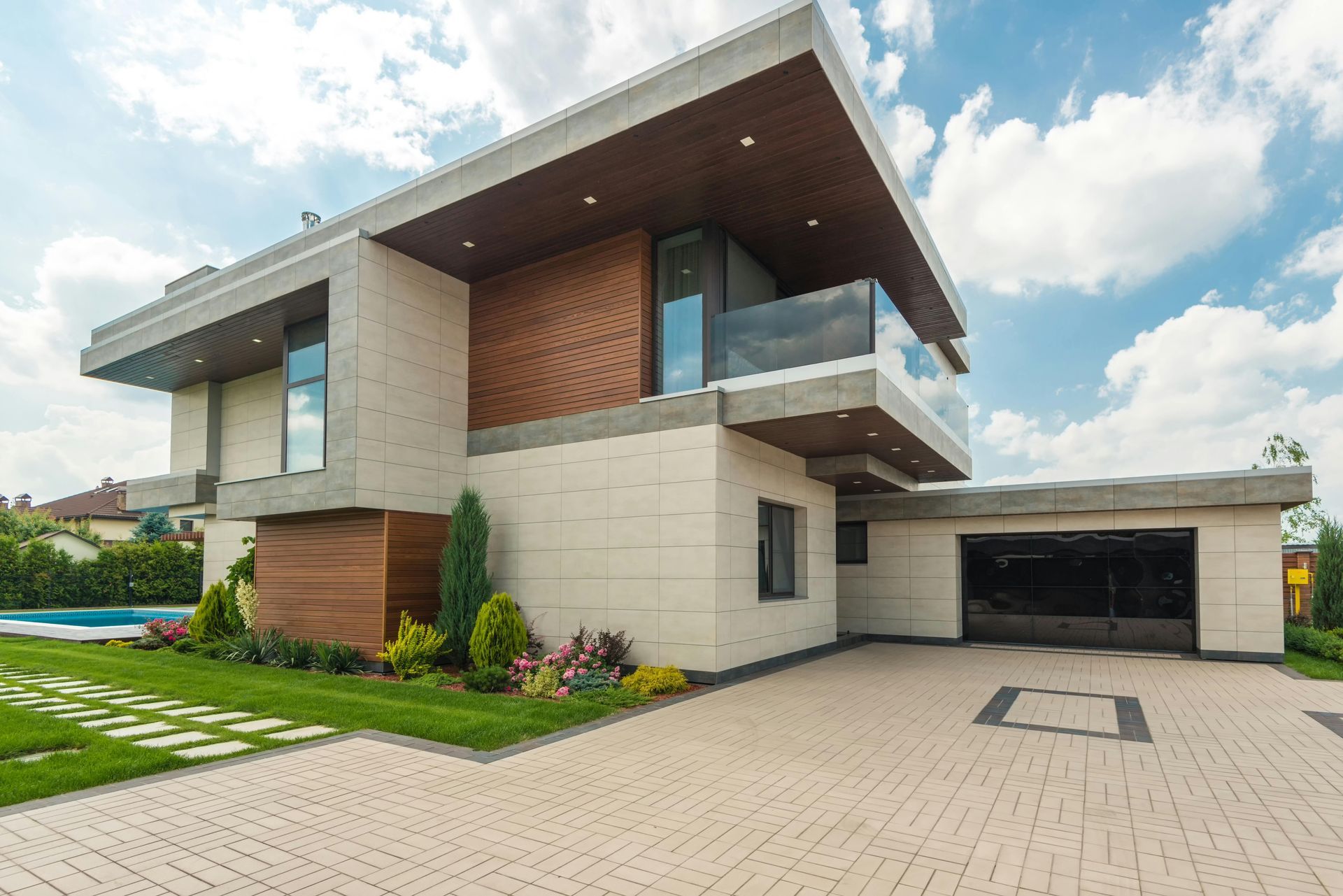
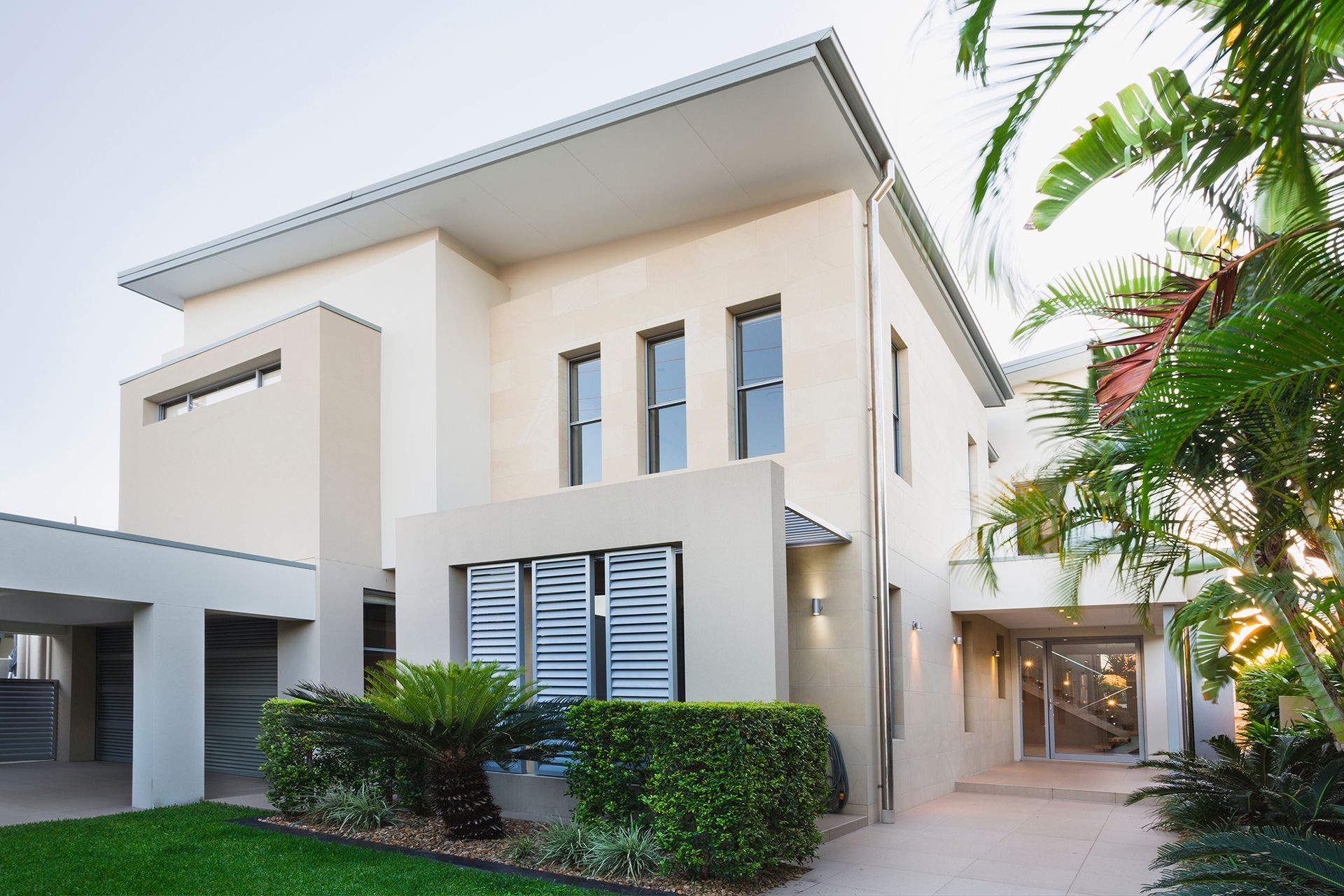
Modern Residential Homes
Home Additions and Extensions
Porches, garages and secondary structures
Certain Architectural designs
Types of Flat Roofing Systems
Flat roofs don’t use shingles or tiles—they rely on membrane systems designed to keep water out. Each system has its place, and the right choice depends on the structure, use, and expected performance. Common options include:
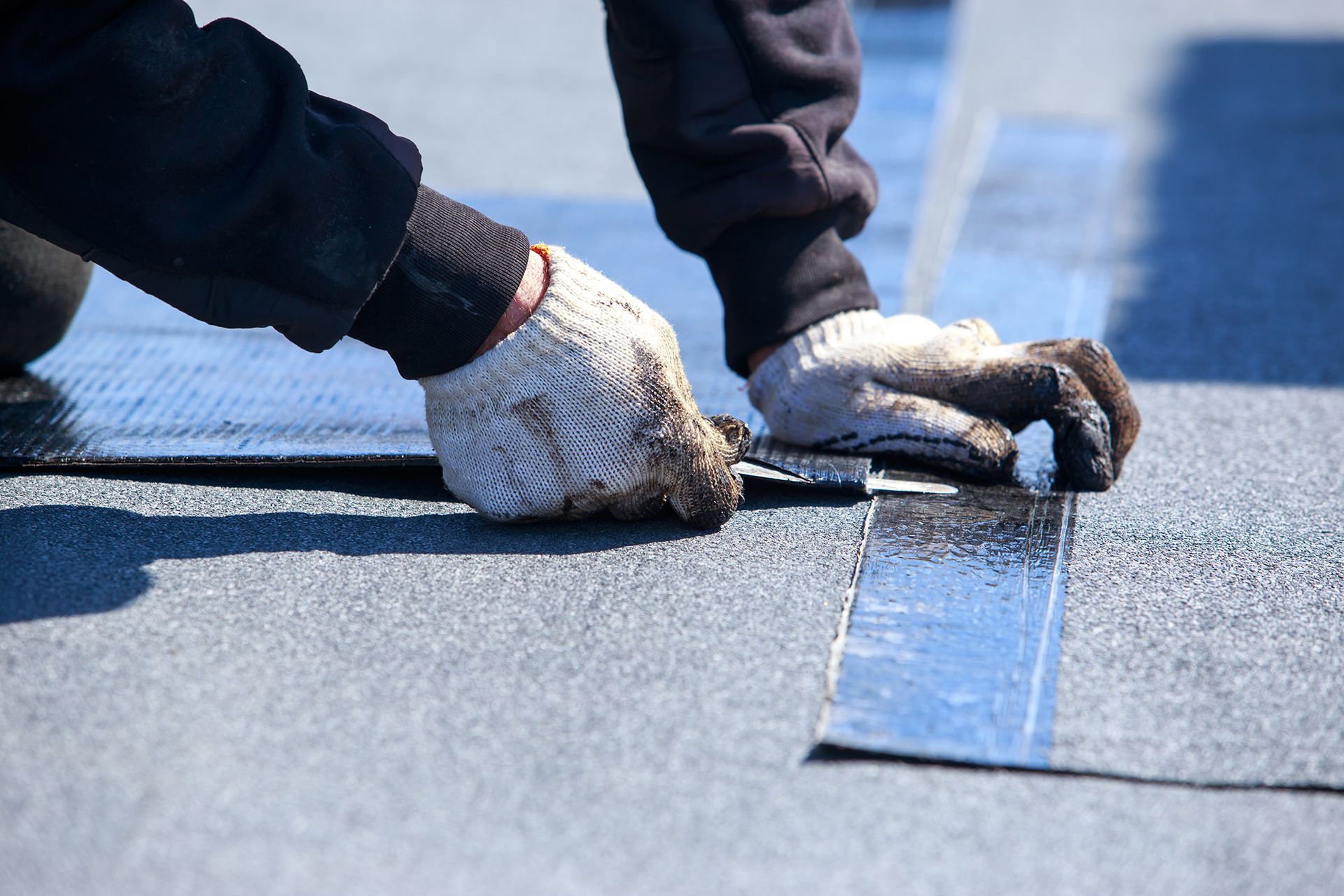
Modified Bitumen Roofing
A layered system that provides added strength and durability for certain applications.
Flat Roofing in Florida Conditions
Flat roofs face a different set of challenges in Florida. This is where proper installation makes the biggest difference.
Because water doesn’t run off quickly, the system has to handle:
- Heavy rainfall and pooling water
- Constant moisture exposure
- Heat buildup from sun exposure
- Expansion and contraction over time
If drainage, sealing, and detailing are done correctly, flat roofing systems can perform reliably. If not, issues tend to show up early.


Flat Roof Installation
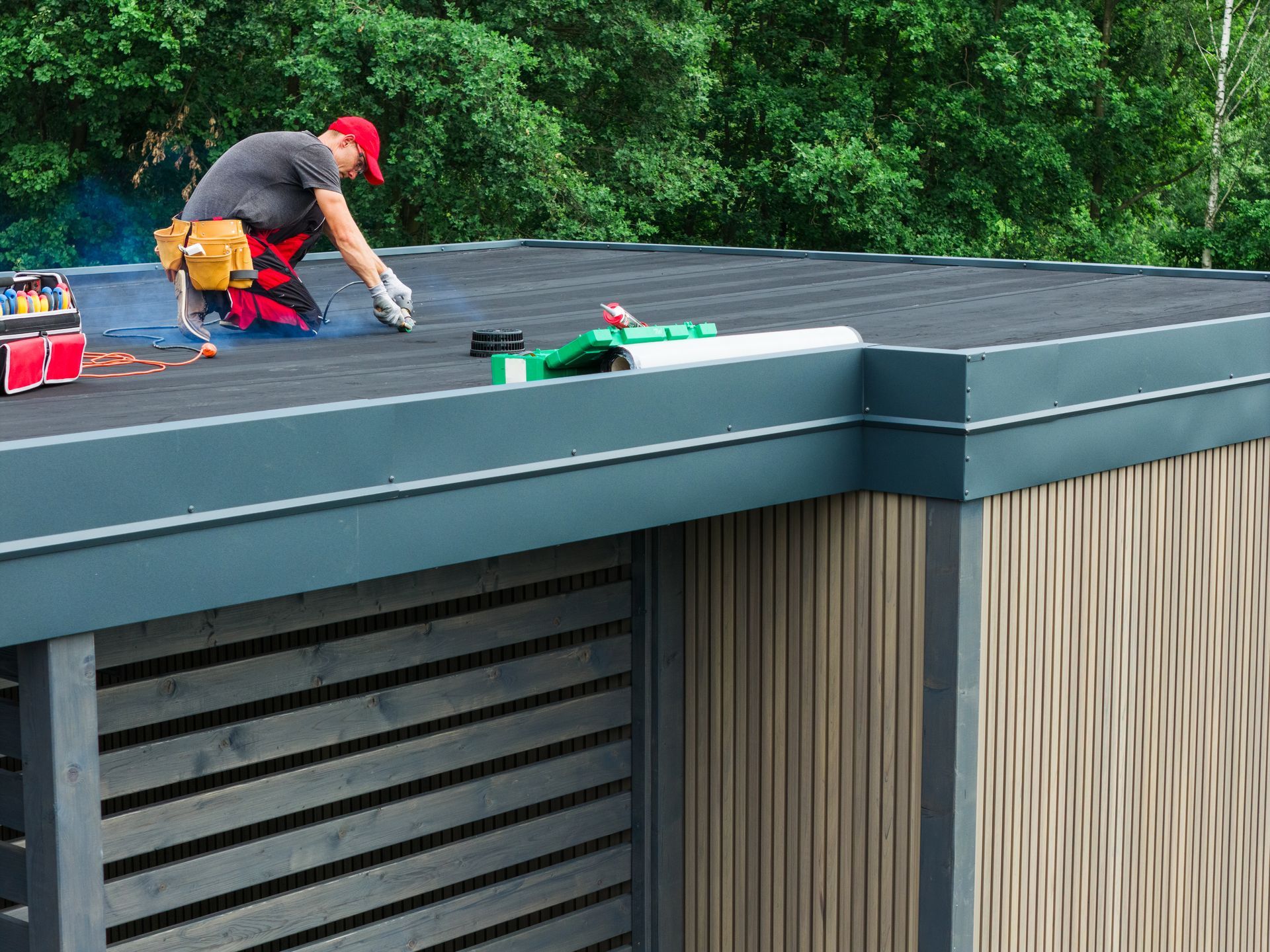
Installing a flat roof is about more than just applying a membrane.
It requires:
- Proper slope design for drainage
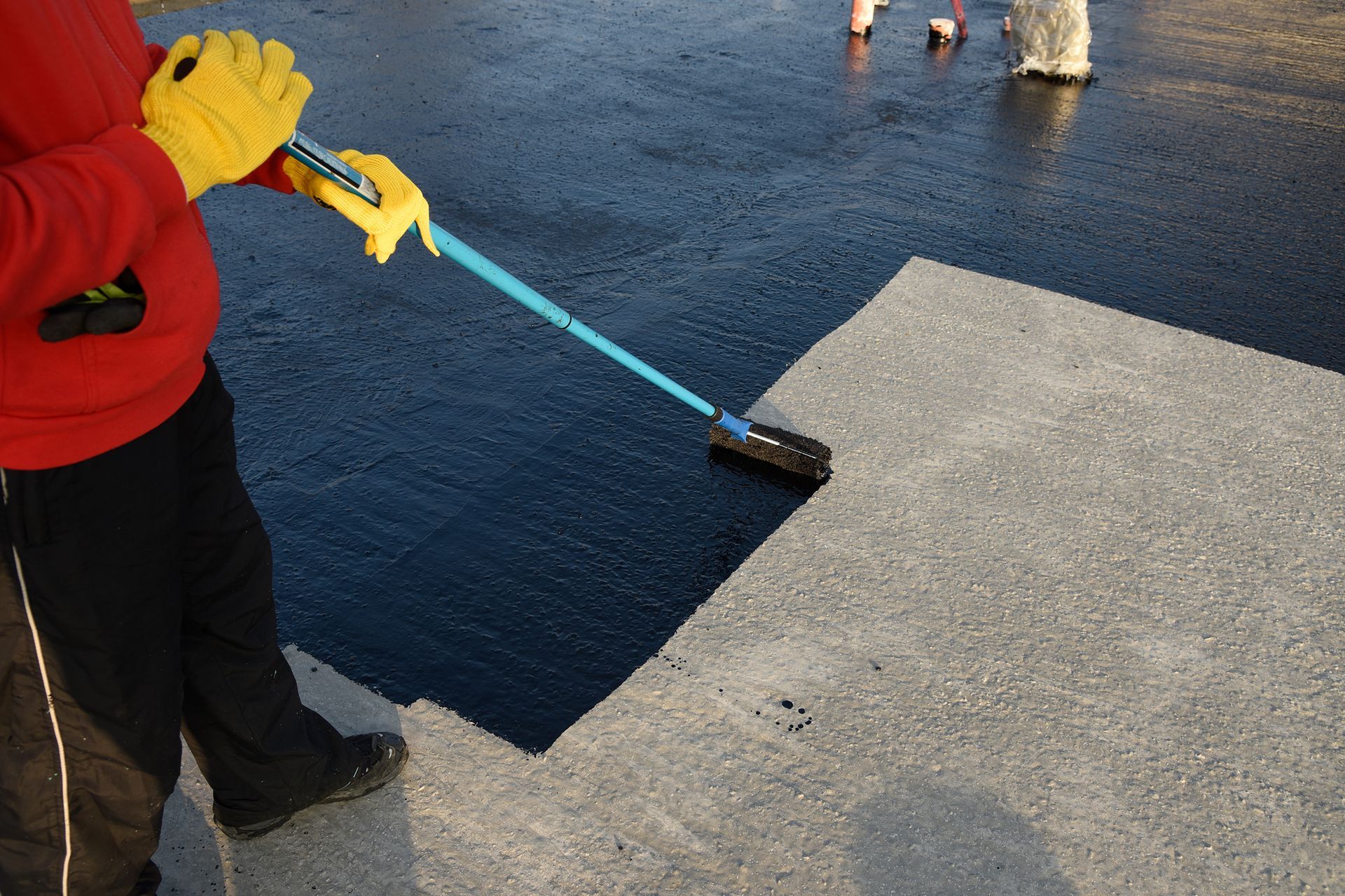
- Correct installation of waterproof layers
- Careful sealing around penetrations and edges
- Attention to transitions between surfaces
At Crowther, we focus on building the system correctly from the start so it performs the way it’s intended.
Flat Roof replacement
Flat roofing systems may need replacement when:
- The membrane is worn or deteriorating
- Leaks are recurring
- Repairs are no longer effective
- The system is no longer performing as intended
An inspection helps determine whether repair or replacement makes more sense.


Flat Roof repair
Flat roofs can develop issues over time, especially if water isn’t draining properly.
Common repairs include:
- Addressing leaks or seam failures
- Repairing membrane damage
- Fixing drainage issues
- Sealing penetrations and flashing
Because problems can spread quickly on flat systems, early repairs are important.
How Long DOes a Flat Roof Last?
Because these systems rely heavily on waterproofing, regular inspections play a key role in how long they last. The lifespan of a flat roof depends on:
The Type of System Used
Installation Quality
Exposure to Weather Conditions
Ongoing Maintenance
Common flat roofing considerations
Flat roofing systems can run into problems if not properly installed or maintained.
Common issues include:
- Standing or pooling water
- Membrane wear or damage
- Seam failures
- Drainage problems
- Leaks around penetrations
Most of these issues can be prevented or managed when caught early.


Maintain Your Flat Roof with RoofCheck
Flat roofs benefit significantly from regular inspections due to their reliance on drainage and waterproofing.
Our RoofCheck Maintenance Program helps monitor your roof, identify early issues, and keep the system performing as intended.
Flat Roofing Services Across Florida
Crowther provides flat roofing services throughout Florida, including Fort Myers, Sarasota, Tampa, Jupiter, and surrounding communities.
Our team installs and services flat roofing systems built for the conditions these areas experience.
Frequently Asked Questions
Are flat roofs a good option for Florida homes?
Yes, when properly designed and installed, flat roofing systems can perform well in Florida conditions.
Do flat roofs leak more than other types?
They can if not installed or maintained correctly, but a properly built system should not have ongoing issues.
What is the best material for a flat roof?
TPO, EPDM, PVC, and modified bitumen are all common options depending on the structure and use.
How do flat roofs drain water?
Flat roofs are built with a slight slope and drainage systems that direct water off the surface.
How often should a flat roof be inspected?
Regular inspections are recommended to catch drainage or membrane issues early.