Flat Roofing Systems
Low-Slope Systems Designed for Drainage, Waterproofing, and Large-Scale Performance
Flat roofing systems are low-slope commercial roofing assemblies designed to manage water through controlled drainage and waterproof membrane protection. These systems are commonly used on commercial buildings due to their efficiency across large surface areas.
Flat roofing systems are the standard for most commercial structures.
They are designed to perform across large surface areas, support equipment loads, and manage water in a controlled way. Unlike steep-slope systems, performance depends heavily on drainage design, membrane integrity, and installation precision.
Crowther works across all major flat roofing systems, focusing on correct application, system compatibility, and long-term performance.
System Overview
Flat roofing systems are defined by how they manage water and protect the structure beneath.
Key factors include:
- Membrane type and performance
- Drainage design and slope
- Seam integrity and detailing
- Integration with penetrations and equipment
Each system addresses these factors differently, which is why system selection matters.
TPO Roofing
Thermoplastic Polyolefin (TPO) is one of the most commonly used commercial roofing systems.
It is a single-ply membrane designed for:
- Heat resistance
- Energy efficiency
- Strong seam performance
TPO is widely used for its balance of performance and cost efficiency across large commercial applications.
EPDM Roofing
EPDM is a rubber-based membrane system known for its flexibility and durability.
It performs well in:
- Temperature variation
- Long-term exposure conditions
- Applications requiring material flexibility
EPDM systems are often selected for their consistency and proven performance over time.
PVC Roofing
Polyvinyl Chloride (PVC) roofing is a high-performance membrane system.
It is typically used where:
- Chemical resistance is required
- Waterproofing performance is critical
- Durability under demanding conditions is needed
PVC systems are often applied in more specialized or high-demand environments.
Modified Bitumen Roofing
Modified bitumen is a multi-layered roofing system designed for strength and durability.
It is used in applications requiring:
- Reinforced protection
- Redundancy through layered construction
- Proven performance across varying conditions
This system is often selected where added structural resilience is a priority.
Drainage & Performance
Flat roofing systems are designed to move water—not hold it.
Performance depends on:
- Proper slope and drainage design
- Clear flow paths for water removal
- Consistent membrane integrity
When these elements are maintained, the system performs as intended. When they are not, issues develop quickly.
Installation Considerations
Flat roofing systems require precision during installation.
This includes:
- Accurate slope creation
- Proper membrane application
- Seam and flashing detailing
- Integration with penetrations and equipment
Installation quality directly impacts system performance.
Maintenance Requirements
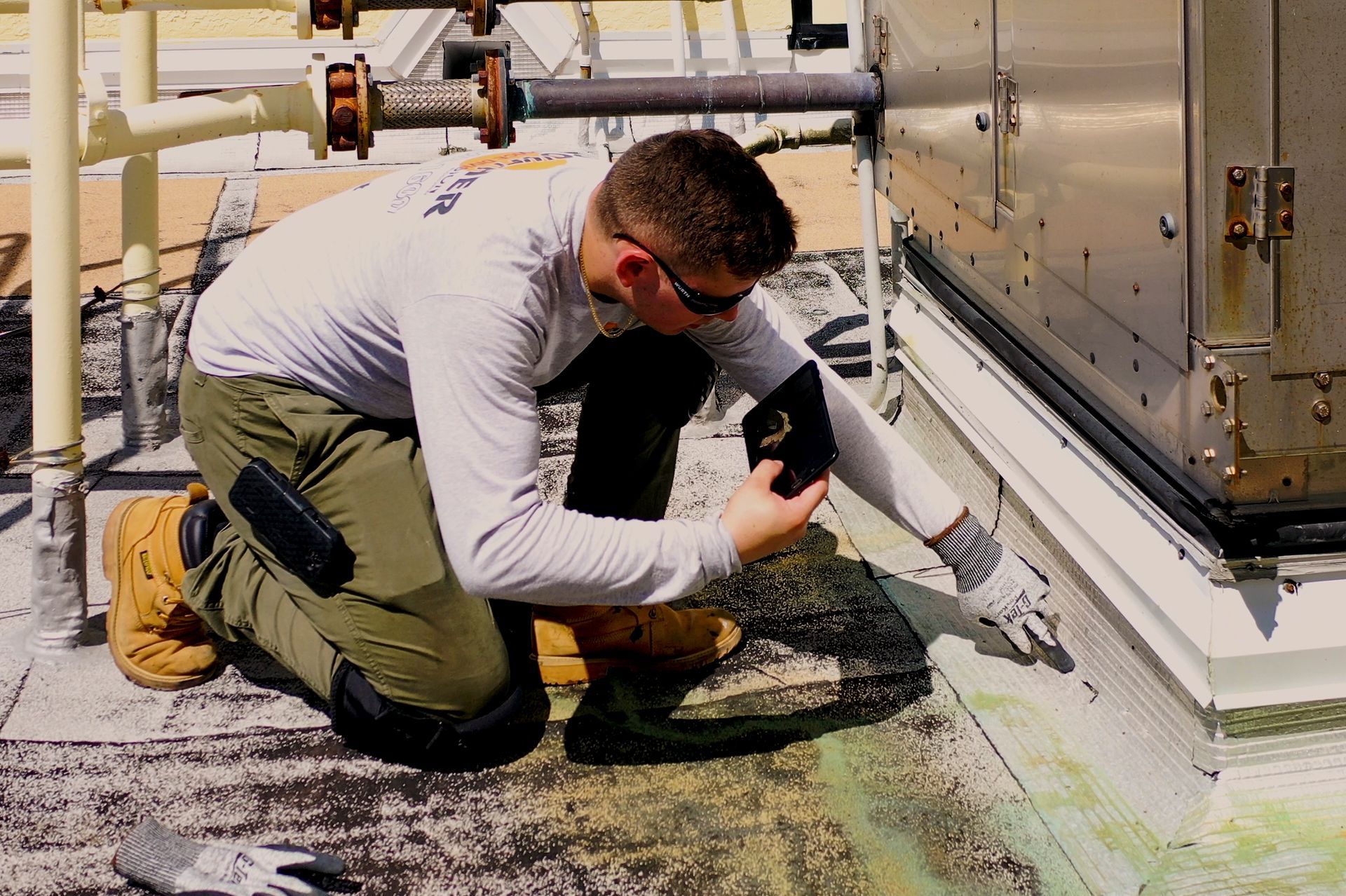
Flat roofing systems require consistent maintenance to remain effective.
Maintenance supports:
- Drainage performance
- Seam integrity
- Early identification of issues
- Long-term system reliability
system selection
Selecting the appropriate flat roofing system depends on:
Building Structure and Design
Environmental Exposure
Operational use of the Building
Long-Term Performance Expectations
Each system is evaluated based on how it will perform under those conditions.
FLAT Roofing Systems Across Florida
Flat roofing systems are installed and serviced throughout Florida, including Fort Myers, Sarasota, Tampa, Jupiter, and surrounding markets.
System selection and installation are aligned with project-specific requirements.
Frequently Asked Questions
What is the most common flat roofing system?
TPO is one of the most widely used systems due to its balance of performance and cost efficiency.
Do flat roofs hold water?
No. They are designed with slight slope and drainage systems to move water off the surface.
Which system lasts the longest?
Lifespan depends on system type, installation quality, and maintenance.
Are flat roofs more prone to leaks?
When properly installed and maintained, flat roofs perform reliably. Most issues are related to drainage or maintenance.
How often should flat roofs be inspected?
Regular inspections are recommended to maintain system performance and prevent issues.