Metal Roofing Systems
Engineered Systems Designed for Structural Performance and Long-Term Exposure
Metal roofing systems are commercial roofing assemblies constructed from metal panels designed to provide structural strength, weather resistance, and long-term performance. These systems are used in applications where durability and exposure resistance are key considerations.
Metal roofing systems operate differently than membrane-based systems.
They are designed to handle expansion, contraction, and environmental exposure while maintaining structural integrity over time. When properly designed and installed, they provide a durable solution for buildings where performance under stress is a priority.
Crowther approaches metal systems with a focus on precision—ensuring alignment between design, fabrication, and installation so the system performs as intended.
System Overview
Metal roofing systems are defined by:
- Panel design and configuration
- Attachment and fastening methods
- Expansion and contraction management
- Integration with structural elements
These systems are commonly used in commercial applications where structural performance and exposure conditions are significant factors.
Standing Seam Metal
Standing seam systems are one of the most widely used commercial metal roofing solutions.
They are characterized by:
- Raised vertical seams
- Concealed fastening systems
- Continuous panel runs
This design allows for controlled water shedding and accommodates thermal movement, making it suitable for long-term performance under varying conditions.
Structural Metal Systems
Structural metal roofing systems are designed to serve as both the roof covering and part of the structural assembly.
These systems are used in applications requiring:
- Increased load-bearing capability
- Integration with structural framing
- Performance across larger spans
They are commonly applied in industrial, warehouse, and large-scale commercial environments.
Performance & Exposure
Performance is dependent on correct design, detailing, and installation. Metal systems are often selected for their ability to perform under demanding conditions. They are designed to handle:
Continuous sun exposure
High wind conditions
Environmental expansion and contraction
Long-term weathering
Fabrication & System Control
Metal roofing systems often require fabrication as part of the installation process.
Crowther’s in-house capabilities support:
- Custom panel fabrication
- System component production
- Precise detailing for transitions and edges
This allows for greater control over system quality and consistency throughout the project.
Installation Considerations
Metal systems require a controlled installation approach.
Key factors include:
- Alignment and panel layout
- Fastening systems and attachment methods
- Seam integrity
- Integration with flashing and penetrations
Execution directly impacts long-term system performance.
Maintenance Requirements
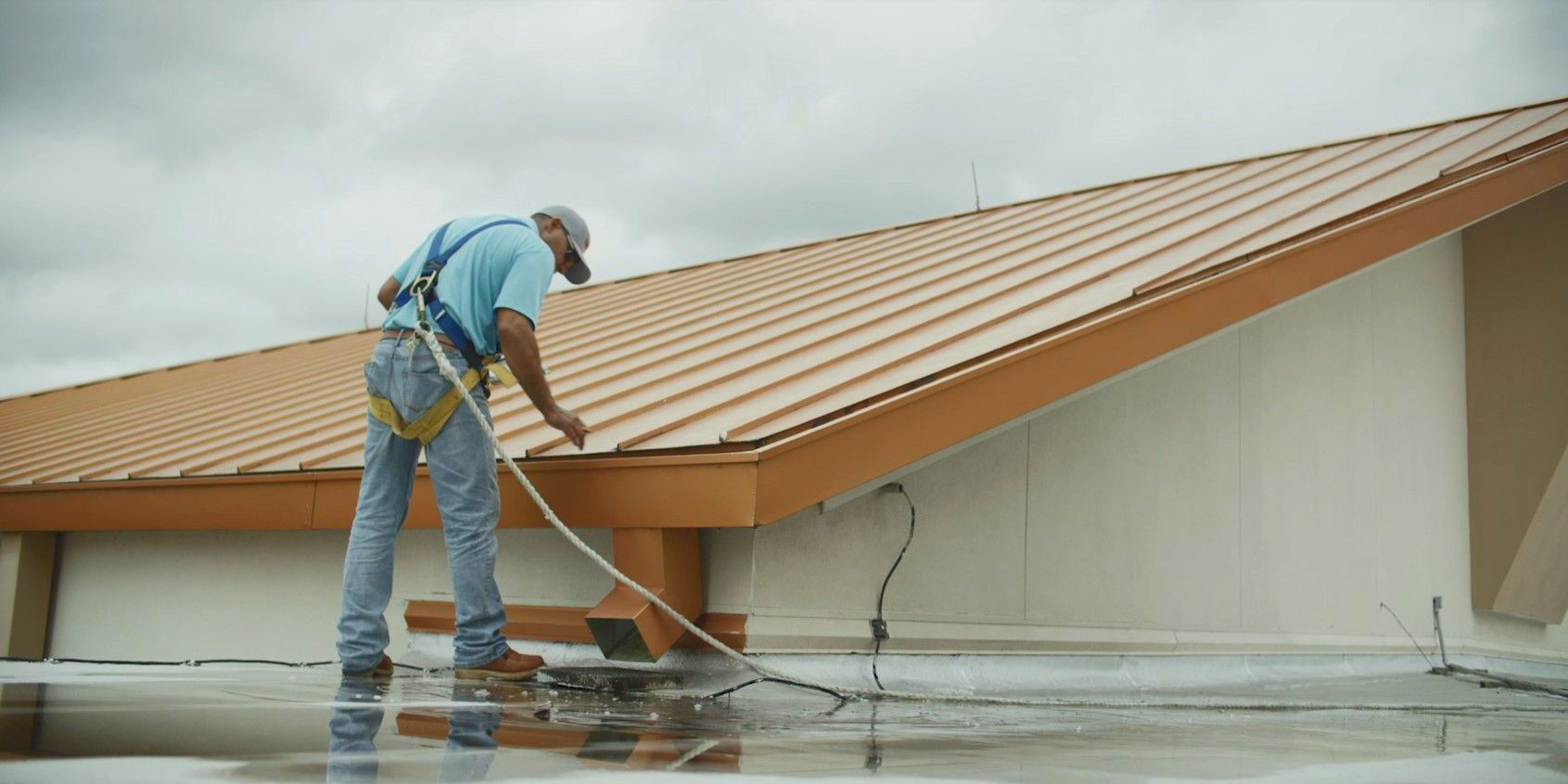
Metal roofing systems require periodic maintenance to ensure continued performance.
Maintenance focuses on:
- Fastener condition
- Seam integrity
- Flashing and transition points
- General system wear
Consistent oversight supports long-term reliability.
system selection
Metal roofing systems are typically selected when:
Structural performance is required
Exposure conditions are demanding
Long-term durability is a priority
Design intent calls for metal systems
Selection is based on how the system will perform within the building’s specific conditions.
METAL Roofing Systems Across Florida
Metal roofing systems are installed and serviced throughout Florida, including Fort Myers, Sarasota, Tampa, Jupiter, and surrounding markets.
Systems are applied based on project requirements and performance expectations.
Frequently Asked Questions
What is the difference between standing seam and structural metal?
Standing seam systems focus on panel-based performance with concealed fasteners, while structural systems are integrated into the building’s structural framework.
Are metal roofing systems suitable for all buildings?
No. Suitability depends on structural design, application, and performance requirements.
How do metal systems handle expansion and contraction?
They are designed with panel configurations and fastening systems that allow for controlled movement.
Do metal roofs require maintenance?
Yes. Regular inspection and maintenance support long-term performance.
Are metal systems more durable than other roofing types?
They are often selected for durability, but performance depends on design and installation.