Lightweight Insulating Concrete
Engineered Slope. Integrated Insulation. Controlled System Performance.
Lightweight insulating concrete is a specialized material used in commercial roofing systems to create slope, improve thermal performance, and support structural requirements. It is applied as part of the roofing assembly to enhance drainage and overall system efficiency.
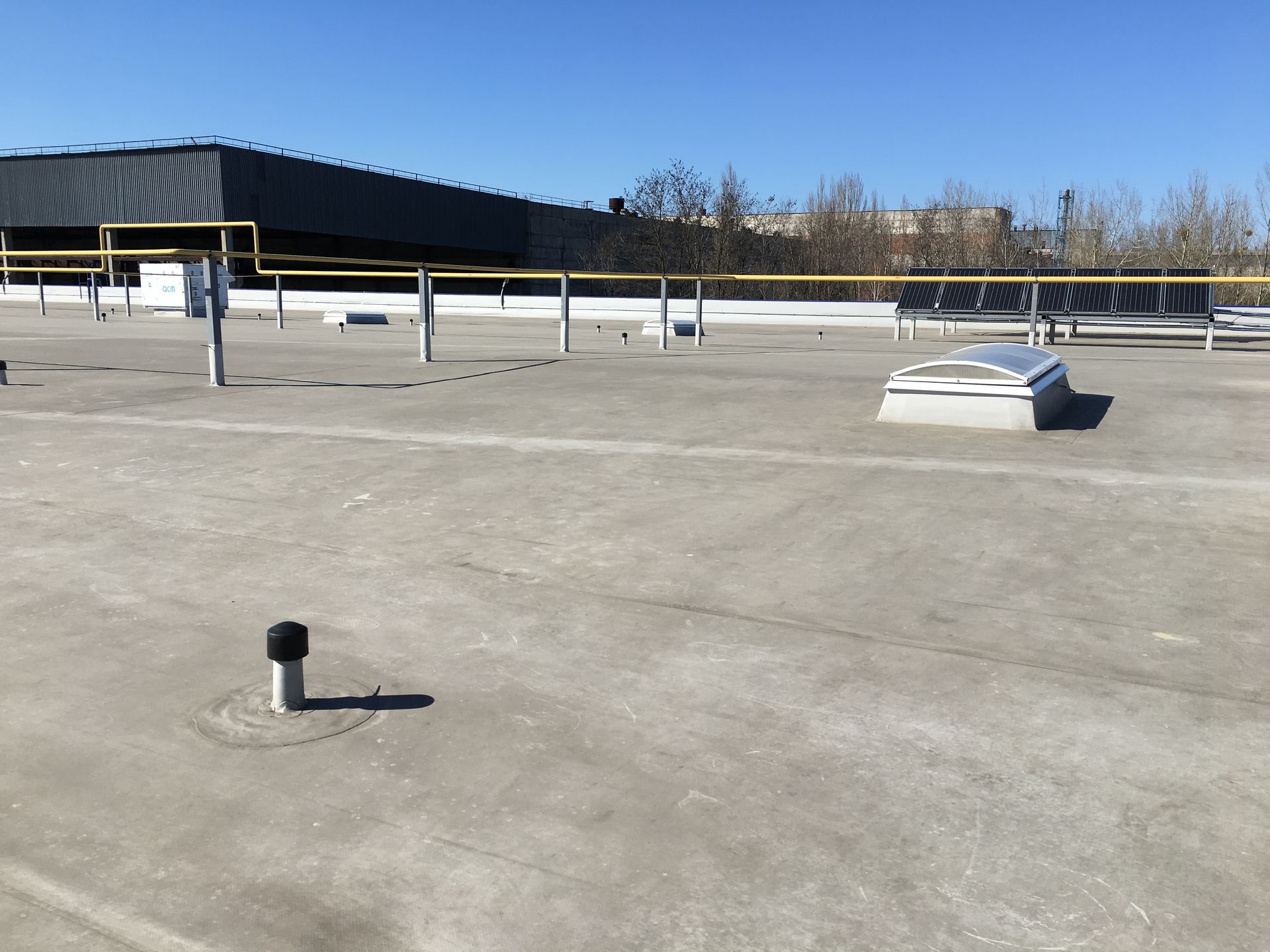
Flat roofing systems depend on slope to perform.
Without proper slope, water collects. When water collects, systems degrade faster, and performance becomes unpredictable.
Lightweight insulating concrete addresses that at the system level—creating controlled slope while contributing to insulation and long-term stability.
Crowther integrates this material where drainage, performance, and system control require more than surface-level solutions.
Role in Roofing Systems
Lightweight insulating concrete is used to shape how a roofing system performs. It becomes part of the system—not an added layer.
It is applied to:
Role in Roofing Systems
Lightweight insulating concrete is used to shape how a roofing system performs.
It is applied to:
- Establish slope for proper drainage
- Support membrane-based roofing systems
- Improve thermal performance
- Create a consistent base across the roof surface
It becomes part of the system—not an added layer.
Performance Advantages
Lightweight insulating concrete is selected for its combination of structural and functional benefits.
Key advantages include:
Controlled slope and drainage
Designed to eliminate low points and support consistent water flow across the roof.
Thermal insulation performance
Helps regulate building temperature, reducing heating and cooling demand.
Fire resistance
Provides additional protection compared to traditional materials, supporting overall building safety.
Sound reduction
Contributes to quieter interior environments by reducing external noise transfer.
Durability under load
Maintains performance under rooftop traffic, equipment, and environmental exposure.
Drainage & System Performance
Drainage is one of the most critical elements of flat roofing performance.
Lightweight insulating concrete allows for:
- Accurate slope design across large surfaces
- Elimination of ponding areas
- Controlled water movement to drainage points
This reduces the likelihood of standing water and long-term system degradation.
System Integration
This material is fully integrated into the roofing assembly.
It works in coordination with:
- Membrane systems
- Structural framing
- Drainage design
- Insulation layers
The result is a unified system where each component supports overall performance.
Cost & Lifecycle Considerations
While initial cost may be higher than traditional materials, lightweight insulating concrete supports long-term efficiency.
It contributes to:
- Reduced energy consumption
- Lower maintenance requirements
- Extended system lifespan
- More predictable long-term costs
The value is realized over the life of the system, not just at installation.
Application & Installation
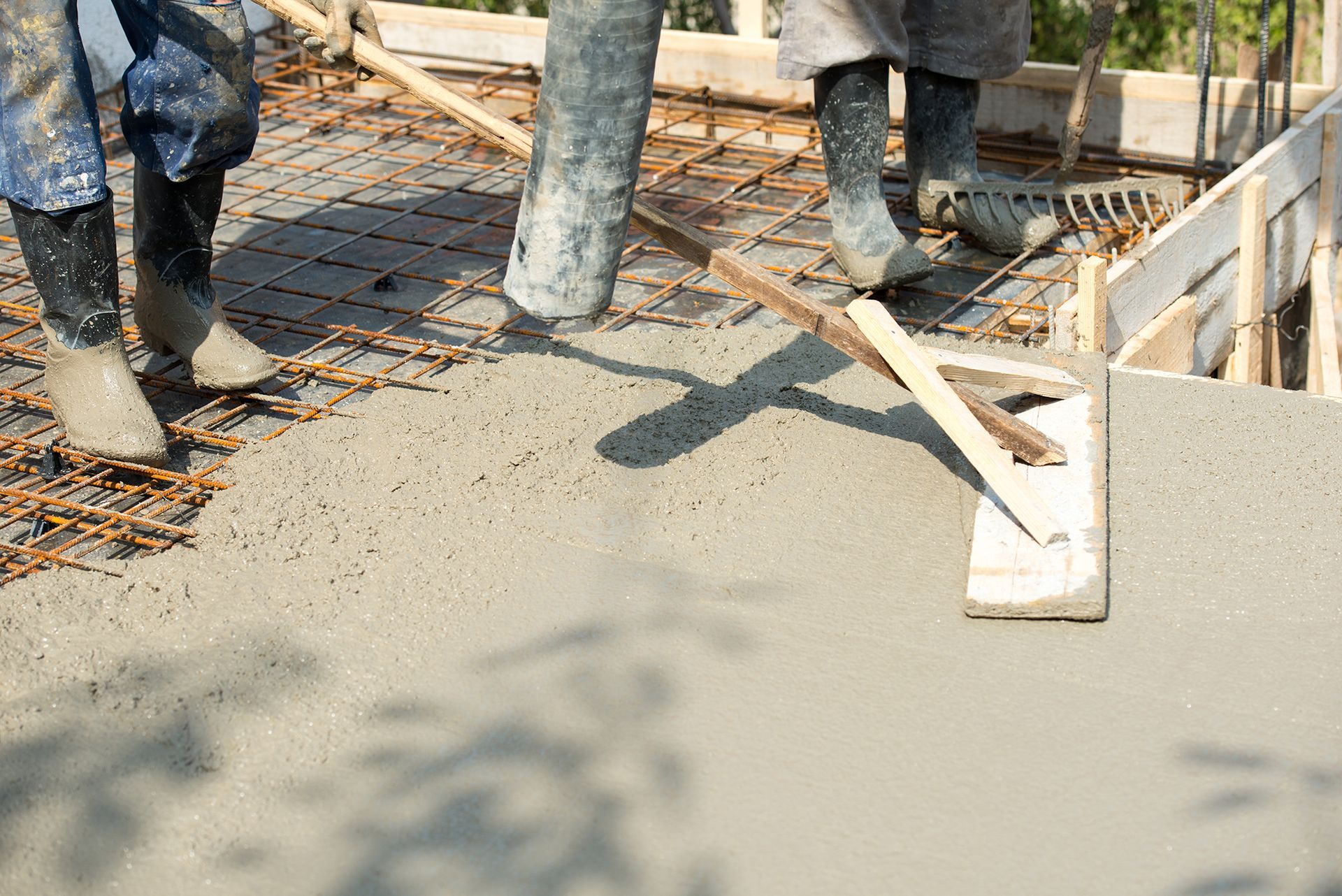
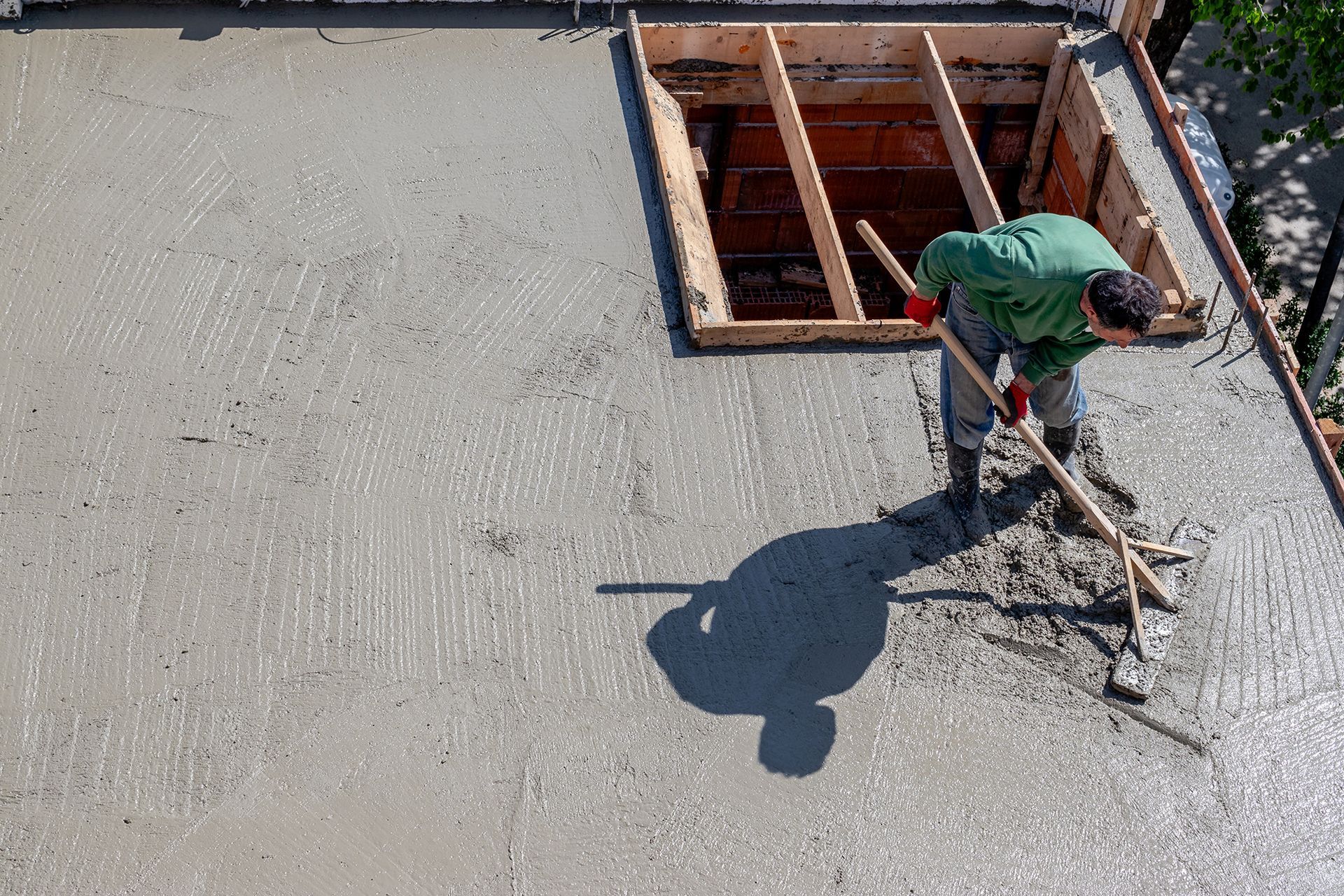
Installation quality directly impacts system performance. Application requires controlled execution and precision. This includes:
Proper mix and placement
Accurate slope formation
Alignment with drainage design
Integration with surrounding system
When It Is Used
Lightweight insulating concrete is typically used when:
- Slope needs to be created or corrected
- Drainage performance is a concern
- System performance requires structural adjustment
- Large-scale flat roofing systems are being installed or replaced
It is applied where performance depends on more than surface materials.
Energy Efficiency
Thermal performance is a key benefit of this system.
By improving insulation characteristics, it helps:
- Reduce heating and cooling costs
- Maintain more stable interior temperatures
- Support energy-efficient building operation
This makes it a practical option for projects focused on long-term efficiency.
Lightweight Insulating concrete services Across Florida
Lightweight insulating concrete applications support projects throughout Florida, including Fort Myers, Sarasota, Tampa, Jupiter, and surrounding markets.
Use is determined by project requirements and system design.
Frequently Asked Questions
What is lightweight insulating concrete used for in roofing?
It is used to create slope, improve insulation, and support overall system performance.
Does it replace traditional insulation?
It contributes to insulation performance but is typically part of a broader system design.
Is it suitable for all commercial roofs?
No. It is used where slope and structural conditions require it.
How does it improve drainage?
By creating controlled slope that directs water efficiently to drainage points.
Does it reduce long-term costs?
Yes. Improved energy efficiency and reduced maintenance can offset initial costs over time.