Commercial Waterproofing Solutions
Protect Critical Areas. Prevent Water Intrusion. Maintain System Integrity.
Commercial waterproofing involves the application of materials and systems designed to prevent water intrusion across roofing systems and building envelope components. It is used to protect structural elements, reduce maintenance needs, and support long-term building performance.
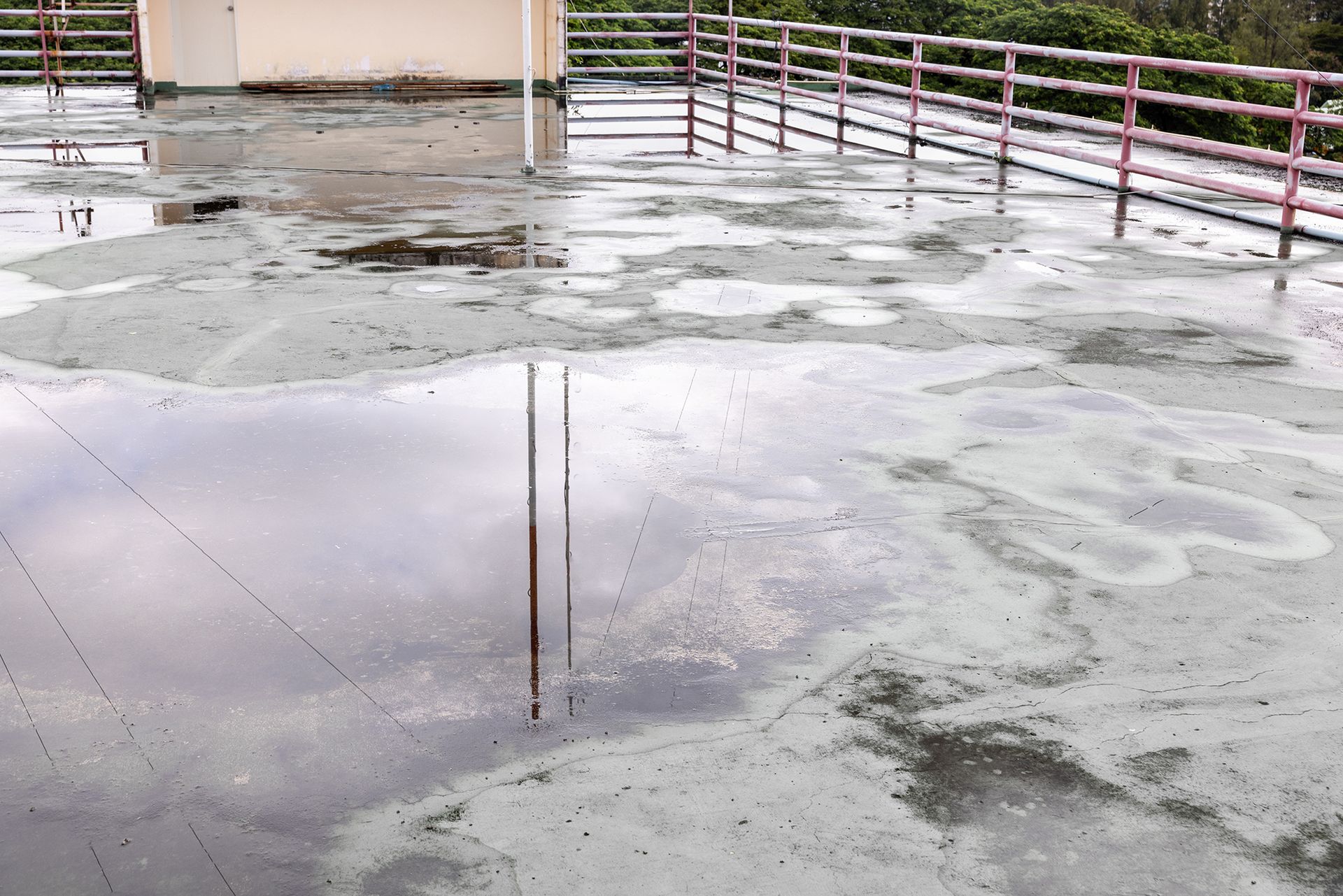
Water intrusion rarely starts in obvious places.
It typically begins at transitions—edges, penetrations, decks, and connection points where materials meet and movement occurs. Over time, these areas become vulnerable, allowing moisture to enter the system and impact both the roof and the structure beneath it.
Crowther approaches waterproofing with a focus on identifying and protecting those critical areas before they become larger problems.
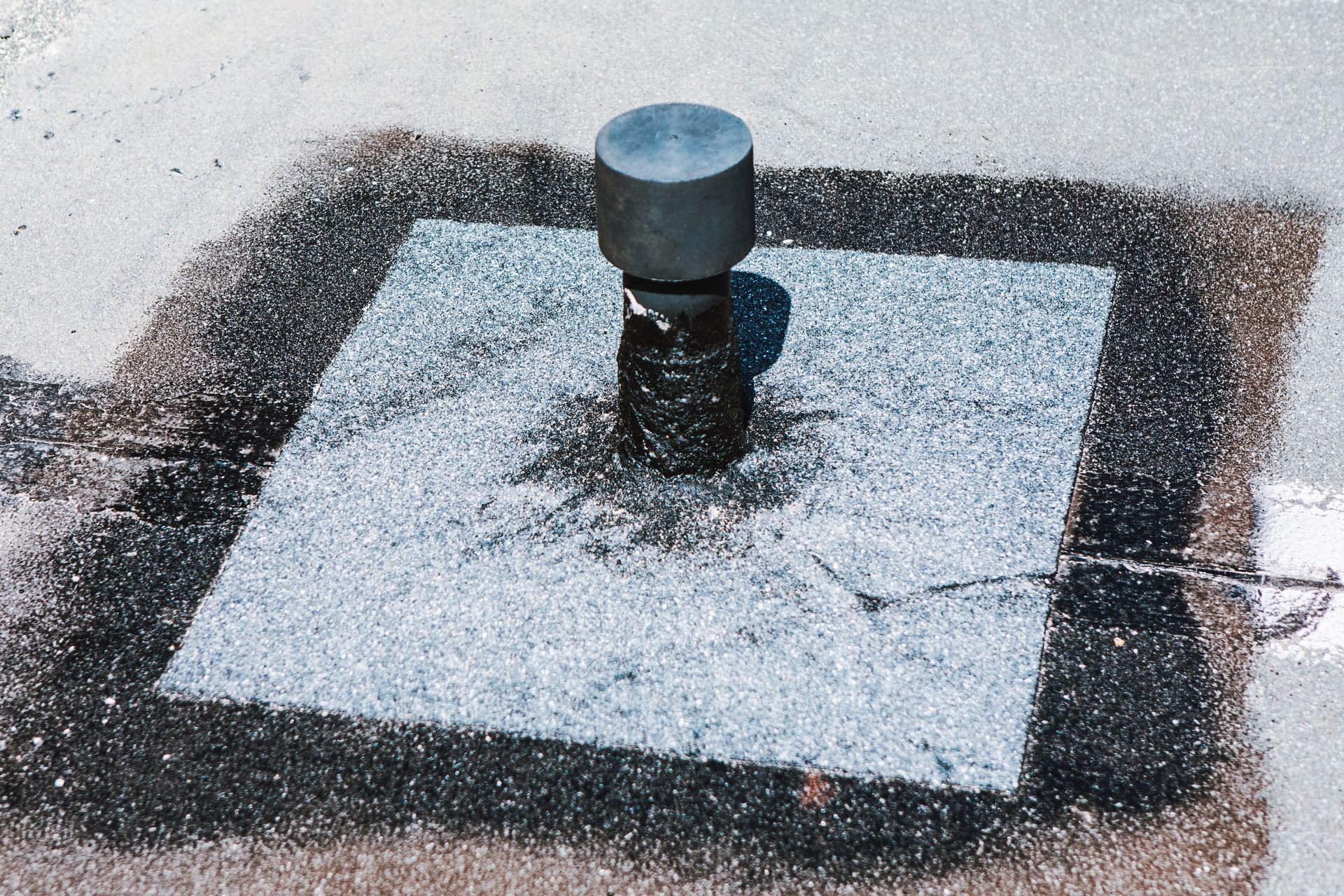
Where Waterproofing Is Applied
Waterproofing is targeted, not broad.
It is applied to areas most at risk, including:
Roof-to-wall transitions
Flashing and edge conditions
Equipment and system penetrations
Decks, terraces, and exposed surfaces
Drainage transitions and low-slope areas
These are the locations where failures are most likely to occur.
What Waterproofing Does
Waterproofing systems are designed to control moisture at the point of entry. They help:
Prevent water from penetrating structural components
Protect roofing and building envelope materials
Reduce long-term deterioration
Maintain system performance over time
The focus is prevention—not reaction.
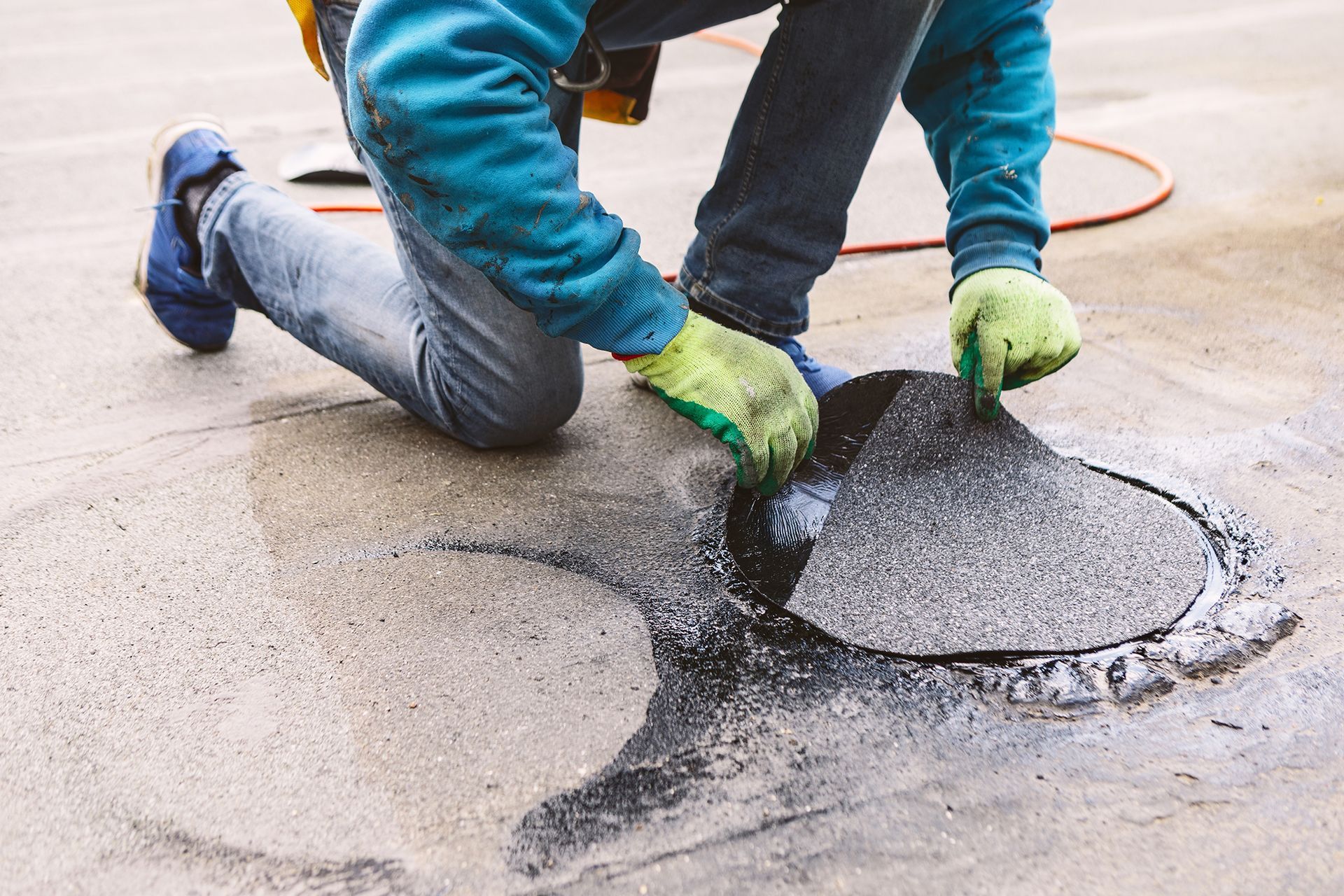
Performance Advantages
When applied correctly, waterproofing solutions provide measurable benefits.
Key advantages include:
Enhanced durability
Protects structural elements from moisture-related damage, extending overall system life.
Reduced maintenance demand
Limits the frequency of repairs by protecting high-risk areas before issues develop.
Improved system protection
Reinforces vulnerable points within the roofing and building envelope.
Cleaner, more uniform surfaces
Creates a consistent, sealed finish across treated areas.
Integration with Roofing Systems
Waterproofing is not a standalone solution—it works as part of the overall system. Proper integration ensures the system functions as a whole, rather than in isolated sections.
It is integrated with:
Roofing membranes
Structural framing
Drainage systems
Surface materials and transitions
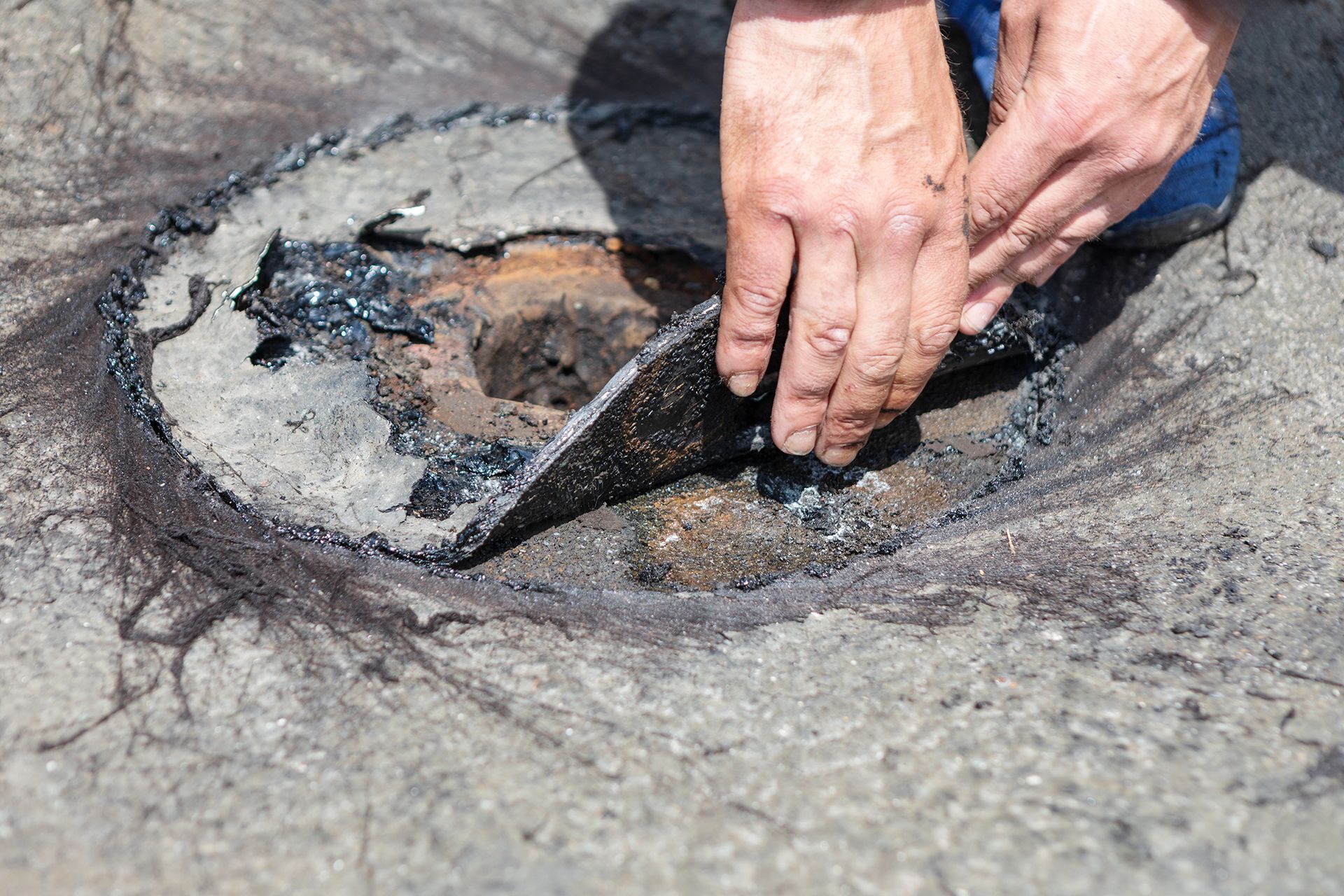
Evaluation Before Application
Effective waterproofing begins with proper evaluation.
Crowther assesses:
- Existing system condition
- Points of vulnerability
- Signs of moisture intrusion
- Suitability for waterproofing solutions
This ensures materials are applied where they will perform—not where underlying issues require a different solution.
Cost & Lifecycle Considerations
Waterproofing is a preventative investment.
It supports:
- Reduced long-term repair costs
- Protection of structural components
- Extended service life of roofing systems
- More predictable maintenance planning
Addressing vulnerabilities early is more efficient than repairing damage later.
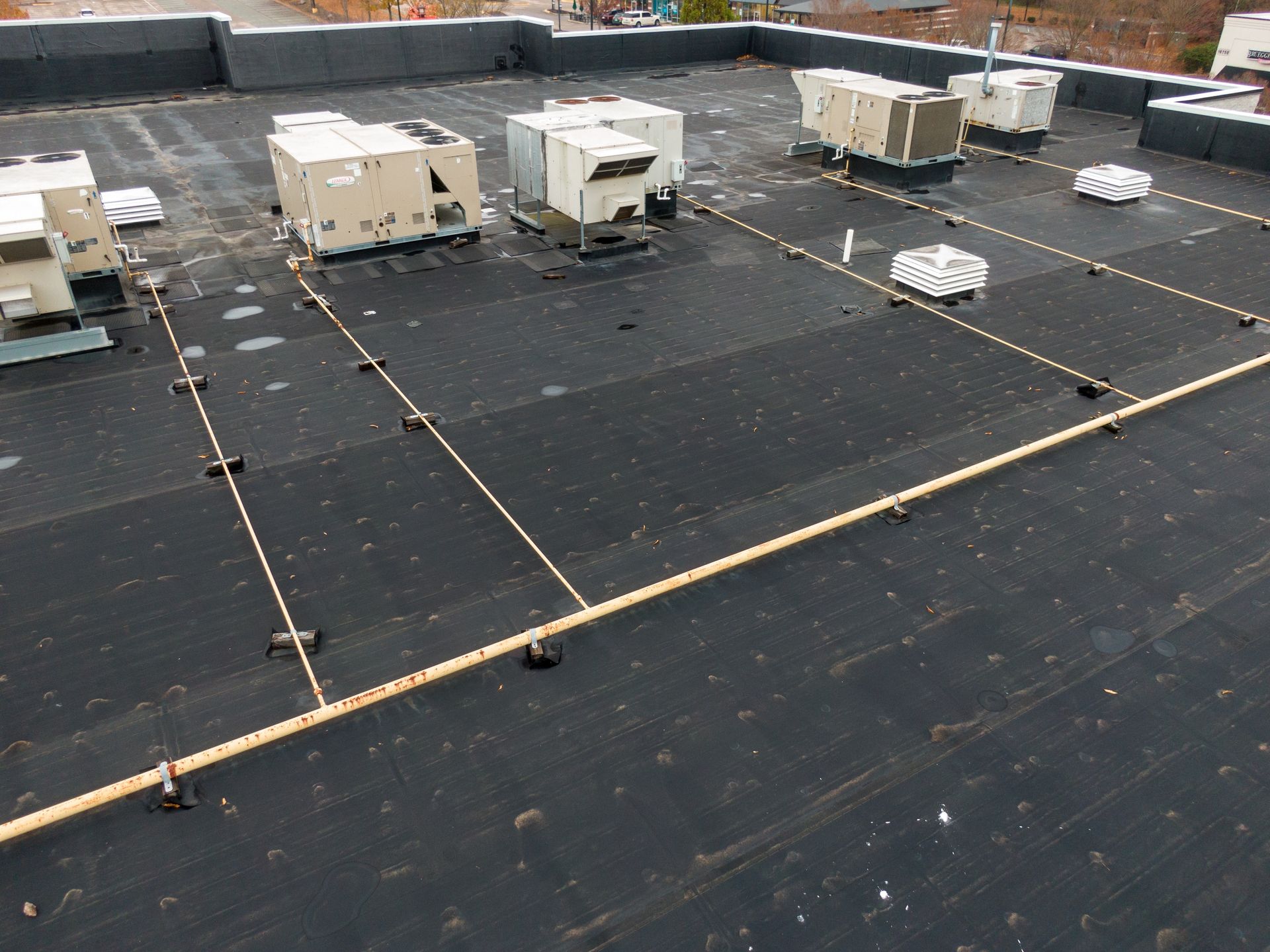
Application Process
Waterproofing requires precision.
This includes:
- Surface preparation
- Proper material selection
- Controlled application
- Attention to transitions and detailing
-
Execution quality directly impacts performance and longevity.
When Waterproofing Is Required
Waterproofing should be considered when:
- Vulnerable areas are identified during inspection
- Early signs of moisture intrusion appear
- Surfaces show wear or separation
- Preventative protection is required
It is most effective when applied before damage progresses.
waterproofing services Across Florida
Commercial waterproofing services are provided throughout Florida, including Fort Myers, Sarasota, Tampa, Jupiter, and surrounding markets.
Application is aligned with project requirements and building conditions.
Frequently Asked Questions
Is waterproofing the same as roofing?
No. Roofing protects the full surface, while waterproofing targets specific vulnerable areas.
Can waterproofing prevent leaks?
Yes. When applied correctly, it helps prevent water intrusion at critical points.
Is waterproofing applied across the entire roof?
No. It is targeted to areas where failure is most likely.
Does waterproofing reduce maintenance?
Yes. It helps reduce repair frequency by protecting high-risk areas.
When should waterproofing be applied?
During maintenance, repair, or when vulnerabilities are identified during inspection.