Separate roof areas
Label offices, storage and work buildings individually. A shared street address should not blur the boundaries of the roofing scope.

An Alva business may operate from one building or several separate structures. A leak over inventory, an aging office roof and a covered work area can call for different decisions. Crowther Roofing & Cooling helps owners define the work each roof actually needs.

Treating every roof on a property as one project can hide important differences. A storage building may have exposed metal, while an office addition has a low-slope membrane. Different installation dates, substrates and previous repairs can change the practical scope. An Alva commercial roofing proposal should identify those areas separately so you know what will be corrected and what remains in service.
Bring a simple building list to the first conversation. Include approximate roof ages, leak locations, operating hours and any materials or equipment that need protection. If a tenant reports water entry, record the room and when it happens. Those details give the inspection a useful starting point without asking staff to diagnose a roof from inside.
The outcome should be a workable sequence. An urgent leak may need attention before a planned replacement on another structure. Maintenance can track roofs that remain serviceable. Keeping those decisions distinct helps ownership authorize work with a clear understanding of scope, access and the next review point.
Choose a service based on the condition and purpose of the building. These commercial resources explain the options available before a site-specific scope is prepared.
Trace leaks around seams, flashing and penetrations on the affected structure. The repair should connect to sound surrounding material and identify any remaining concerns.
Explore Commercial Repair → 02Compare replacement by building or roof area. Include removal, concealed-condition allowances, edge details and the parts of the property that will stay occupied.
Explore Commercial Replacement → 03Bring the roof into planning for a new commercial building or addition. Coordinate drawings, equipment openings, material deliveries and the adjoining construction schedule.
Explore Commercial Installation → 04Request an assessment that identifies accessible roof areas and documents the findings. Tell the team whether you need leak diagnosis, a planning baseline or follow-up.
Explore Commercial Inspections → 05Ask how RoofCheck can track several structures with different materials. Keep observations and recommended work tied to the correct building instead of one general property note.
Explore Commercial RoofCheck → 06Consider coating only after the existing roof is evaluated. Surface preparation, compatible materials and correction of underlying defects belong in that discussion.
Explore Roof Coatings → 07Investigate water entry where roofing meets walls and other assemblies. Define which trade addresses each connection before overlapping scopes create a gap.
Explore Waterproofing → 08Discuss whether thermal imaging could help investigate suspected moisture. Findings need interpretation alongside the roof assembly and any appropriate follow-up verification.
Explore Thermal Imaging → 09Use aerial observations to support a view of larger or difficult-to-reach areas. Agree on what the survey can document and where closer inspection remains necessary.
Explore DroneCheck → 10Report an active leak or sudden opening through the emergency line. Provide the affected building, access contact and interior conditions so the request can be assessed.
Explore Emergency Roofing →Alva's rural setting can make the site layout as important as the roof footprint. Evaluate the actual property rather than assuming every building has the same access or exposure.
Label offices, storage and work buildings individually. A shared street address should not blur the boundaries of the roofing scope.
Gates, turning room and unpaved approaches may affect equipment placement. Discuss the route with the person who knows daily site traffic.
Where vegetation overhangs a building, recurring debris may collect near roof outlets. Include those locations in maintenance observations.
Check perimeter details on buildings beside open land. Actual attachment and material condition should guide the recommendation.
Identify goods or machinery beneath the work area. Interior protection and movement of inventory need a named coordinator.
A newer roof meeting an older structure creates a transition worth examining. Include the connection in drawings and estimates.
A marked site plan helps prevent a crew from being directed to the wrong building. Use the same building names in service requests, proposals and completion records.
Discuss Your Commercial PropertyCommercial roof selection begins with the building's construction and use. Compare the complete assembly, including insulation, attachment, flashing and drainage, alongside the visible covering.
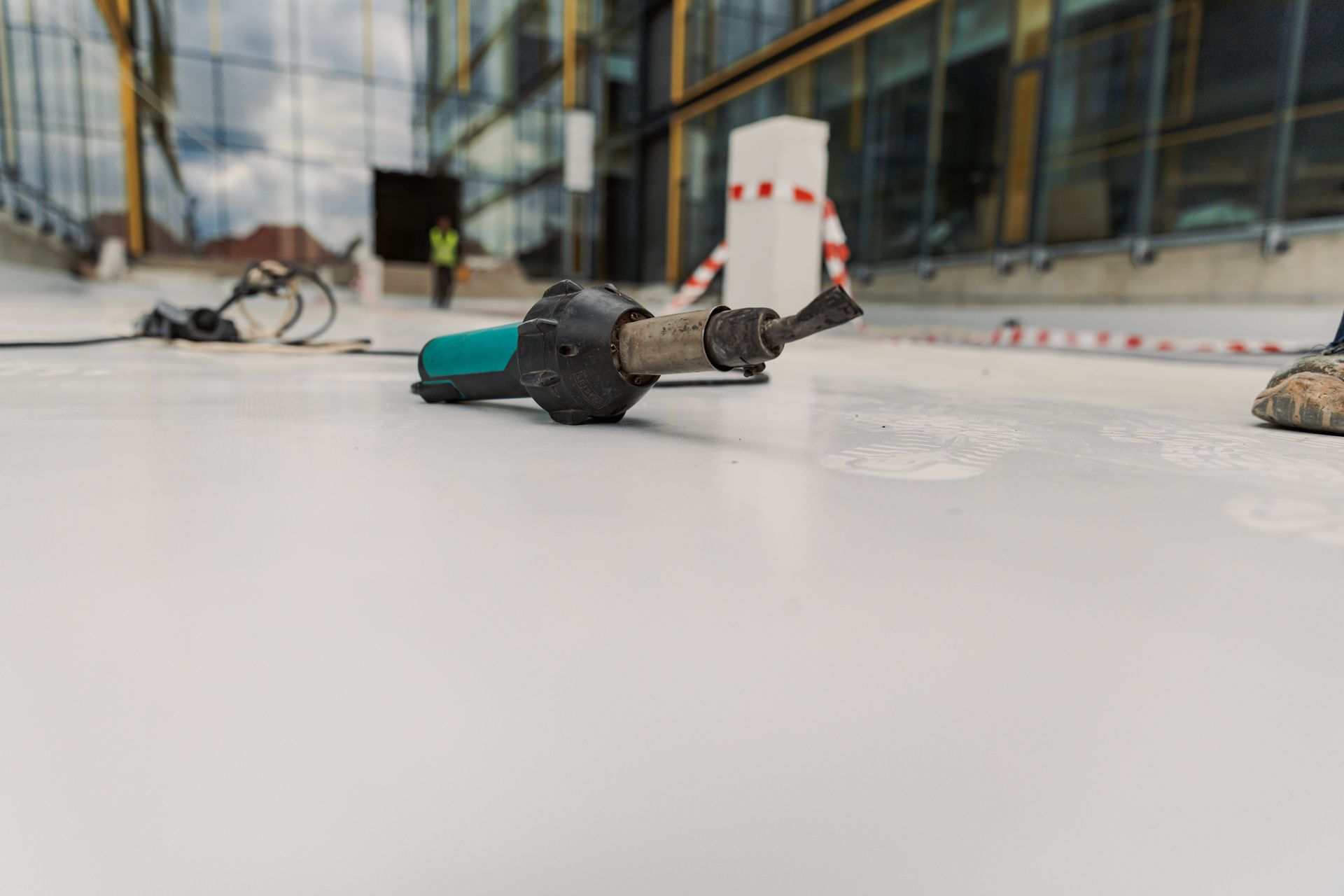
TPO and PVC are distinct membrane products. Identify the proposed material and compatible details around office vents, equipment curbs and perimeter conditions.
For an EPDM roof, review seams, penetrations and the condition of existing repairs. A product label alone does not establish whether a roof is repairable.
Modified bitumen may be part of an existing low-slope assembly. Understand its layers and condition before choosing repairs, coating or replacement.
Metal roofing requires attention to panel connections, fasteners and transitions. A covered work area and an enclosed building can have different requirements.
Keep a roof schedule for the property: building name, material, approximate age and known work. It makes future service requests much clearer.
Good project planning turns a broad roofing expense into specific work you can authorize and manage.
Separate scope and pricing by structure so ownership can compare priorities without losing necessary connections between roof areas.
Confirm how replacement or repair materials fit the existing construction and any planned changes in building use.
Identify delivery and debris routes that account for employees, suppliers and the equipment already moving around the property.
Keep photographs and completed-work descriptions with the building record, ready for the next maintenance visit or ownership review.
If the project is phased, document where each phase stops and how the remaining roof will be monitored.
Request a Commercial ConsultationA leak in one Alva building does not establish the condition of every roof on the site. Compare repair and replacement at the level where the evidence supports a decision.
A localized flashing defect may support a targeted repair when surrounding roofing and underlying conditions allow a sound connection. Define the corrected detail and any monitoring needed afterward.
Replacement deserves review when deterioration extends across a roof area or repeated work no longer provides a dependable result. Show which findings make the larger scope appropriate.
A coating is a separate condition-dependent option. It should not be used to hide unresolved moisture or an unsuitable underlying assembly.
Discuss Repair & Replacement Follow runoff from each roof to its outlet. On a property with separate structures, one building's discharge may affect another work area or access route. Review gutters, scuppers, drains and roof-edge connections as applicable, and identify any concern outside the roofing scope.
Mark locations where staff observe overflow during rain. A dry-weather visit benefits from a record of where and when water collects.
An organized Alva project starts with building identification and ends with records the owner can use.
Identify each structure, current concern and operating restriction before setting the inspection scope.
Document accessible materials, transitions, drainage and visible defects, with further investigation noted where needed.
Compare the proposed work by roof area and confirm exclusions, options and approval authority.
Coordinate deliveries, work zones and communication with the person responsible for daily operations.
Collect completion photographs, warranty information and follow-up recommendations in each building's roof file.
Before mobilization, confirm access, communication and the process for approving concealed findings. Retain the completed scope and closeout records with the property’s roof history.
Start a Commercial Roofing DiscussionAn Alva address may cover a larger property than the roof project itself. Explain which entrance serves the business and whether delivery vehicles use a different route from customers or employees.
If a commercial space shares a property with other uses, identify the business building and its authorized representative clearly. Keep the inspection focused on the requested structures. A site visit should confirm roof construction, access and conditions; the community name alone cannot determine the right specification or project size.
Include the full address and the people, areas and restrictions relevant to this project.
Maintenance is easier to manage when every observation points to a specific roof. Ask about a RoofCheck plan that records changes by building and identifies issues needing action versus continued observation.
After other trades work on rooftop equipment, add that visit to the roof history. An updated record helps explain later concerns and keeps the next inspection from starting with incomplete information.
Explore the RoofCheck™ ProgramFor active water entry at an Alva commercial property, call the emergency roofing line and identify the exact building. Describe affected rooms, goods or operations and provide an accessible site contact.
Emergency work and permanent correction may have different scopes. Weather, access and the condition of the building affect what can be done. Ask how temporary measures and remaining repairs will be documented.
Commercial coverage should be tied to the roof area and work authorized. Ask for the proposed manufacturer and workmanship documents, including exclusions, reporting requirements and maintenance obligations. Keep separate records for buildings receiving different materials or different project scopes.
Review the actual manufacturer warranty offered for the proposed commercial assembly, including eligibility, exclusions and owner obligations.
Ask Crowther to identify the workmanship terms for the authorized commercial scope and explain how a concern should be reported.
Identify the issuer, roof areas, products, term and any required inspections or maintenance in the written warranty.
Keep the completed-work description, exclusions, reporting procedure and applicable term with the project agreement.
Keep your scope, completion record and warranty together. Ask Crowther to explain the terms before the project begins.
Crowther offers commercial roofing services from assessment and repair through installation and ongoing care. For an Alva owner managing several structures, the useful question is how those services will be coordinated around the actual buildings, priorities and operating needs.
Clear findings. Coordinated work. Useful records.
Start with findings and the needs of the building.
Compare scopes with clear boundaries and exclusions.
Bring roofing into the broader construction schedule.
Report urgent water entry through the emergency line.
Confirm the records and coverage delivered at closeout.
Discuss commercial maintenance and follow-up needs.
Practical answers for Alva commercial property owners, managers and project teams.
Have a question about your building or an existing proposal? Tell us which roof areas and operating requirements need attention.
Ask a Commercial Roofing QuestionAsk to see commercial work relevant to your roof construction and project size. Useful examples explain access, details and completed scope, rather than simply showing a finished surface.
Roof areas, edges and access belong in the plan.
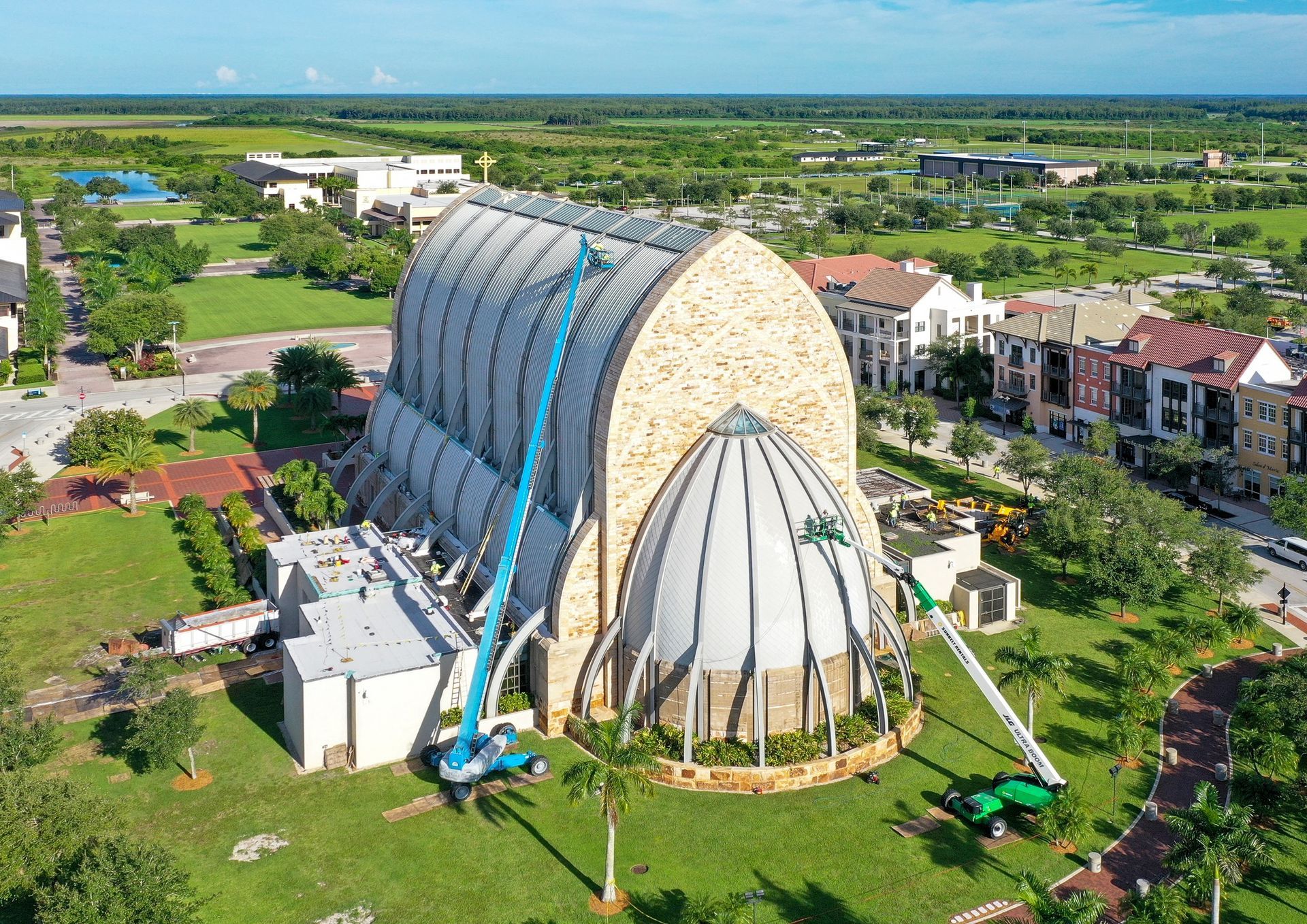
Geometry and adjoining work shape the installation.
Compatible details connect the surface to the assembly.
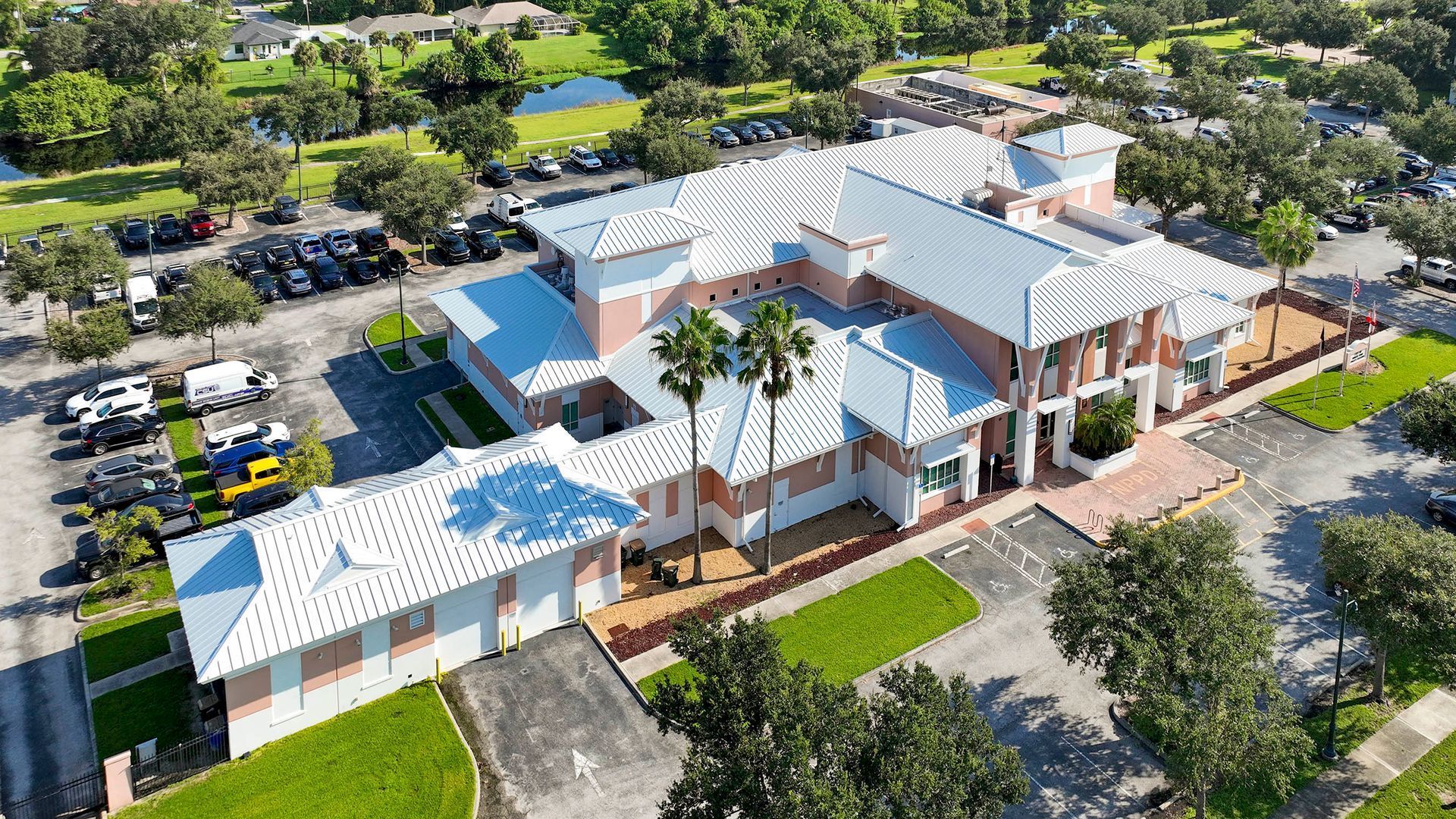
Images from Crowther’s published commercial pages illustrate roofing capabilities. They are not presented as completed projects in Alva.
Discuss a Comparable Commercial ProjectTell us which Alva building needs attention and what is happening inside or on the roof.
We can start with the immediate concern and discuss the wider property where that helps define a sensible next step.
Share your building list, operating hours and main roofing concern. Request a commercial roofing consultation for your Alva property.
Commercial roofing for Alva property owners and managers.