Tenant notices
Identify who tells occupants about the work, expected access changes and the correct contact for concerns.


A commercial roof project in Bonita Springs often involves more people than the owner and roofer. Tenants, managers, maintenance vendors and visitors all depend on a workable plan. Crowther Roofing & Cooling helps bring roof condition and operating requirements into the same conversation.
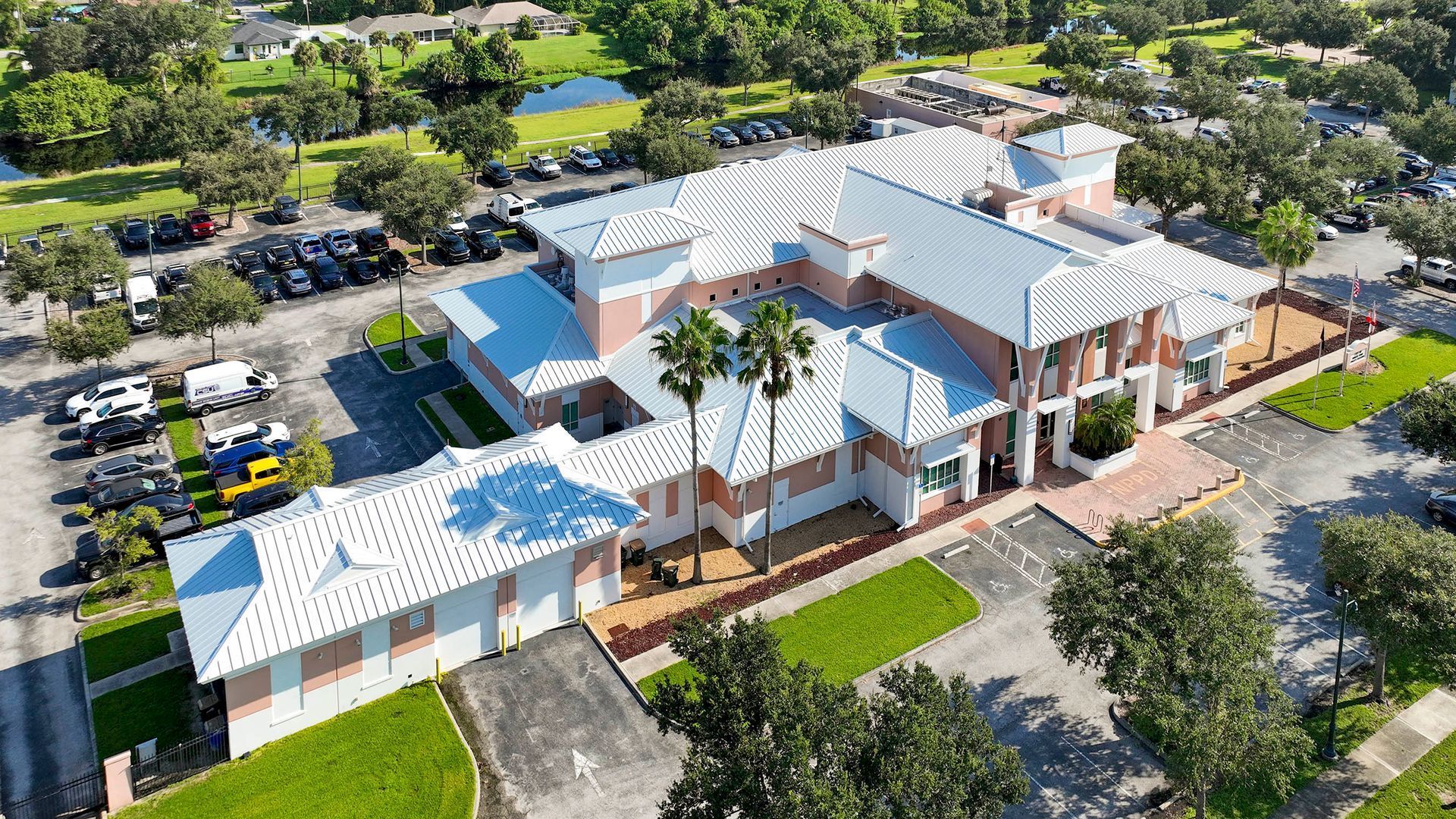

On a multi-tenant property, a roof leak may be reported by one business even though the relevant roof area crosses several suites. A useful assessment connects the interior report with the actual roof layout. Suite numbers, equipment locations and earlier repairs help the team describe the work accurately without assuming the stain marks the entry point.
Bonita Springs owners planning a reroof should also define the operational boundaries. Show customer entrances, delivery routes, rooftop service access and spaces with particular noise or occupancy concerns. When those details are discussed early, the proposal can identify coordination needs alongside materials and removal work. A tentative schedule alone is not a complete operating plan.
Set an approval process before construction. The property manager may handle access and tenant notices while ownership approves cost or scope changes. Document that division of responsibility. Clear instructions make it easier to address concealed findings and keep everyone working from the same approved scope instead of conflicting conversations.
Use these commercial services to move from the concern you have today to the scope your building needs.
Trace water entry reported in a tenant space and evaluate the roof above and around it. Record the affected suite and the detail included in the correction.
Explore Commercial Repair → 02Plan replacement across the relevant roof areas, including boundaries between tenants, equipment coordination and daily protection of occupied spaces.
Explore Commercial Replacement → 03Coordinate roofing with new commercial construction or an addition. Review openings, elevations and connections while the design team can still resolve conflicts.
Explore Commercial Installation → 04Request a documented inspection with the purpose clearly stated. A planning assessment and an active-leak investigation can require different attention.
Explore Commercial Inspections → 05Discuss RoofCheck for ongoing observation and actionable records. Keep recommendations available to both the property manager and approving owner.
Explore Commercial RoofCheck → 06Evaluate coating as a potential option for a suitable existing roof. Require a clear explanation of preparation, repairs and conditions that would rule it out.
Explore Roof Coatings → 07Review water movement at adjoining walls and transitions when roofing alone does not explain the symptom. Coordinate the responsible scopes.
Explore Waterproofing → 08Ask about thermal imaging where suspected concealed moisture warrants further investigation. Clarify verification needs and the limits of the method.
Explore Thermal Imaging → 09Use a DroneCheck survey to support an overall property record. Identify the questions that need closer inspection beyond the aerial view.
Explore DroneCheck → 10Report active leakage with suite locations, access instructions and an authorized contact. Emergency assessment can then focus on the current problem.
Explore Emergency Roofing →The main planning challenge at a Bonita Springs commercial property may be the number of people using it. Account for actual operations along with roof conditions.
Identify who tells occupants about the work, expected access changes and the correct contact for concerns.
Use roof-area identifiers alongside suite numbers so reports remain accurate when interior layouts change.
Coordinate equipment-related work with the roofing scope, including access and flashing responsibilities.
Map entrances and accessible paths that must be considered in staging and work-zone planning.
One tenant's closing time may be another's busiest period. Gather those details before discussing sequencing.
Distinguish site coordination from authorization to change materials, cost or scope.
A property-wide contact list is useful only if responsibilities are clear. Assign decisions and notifications to specific roles.
Discuss Your Commercial PropertySelect a commercial assembly for the roof design and intended use. Compare the details beneath and around the membrane or panels, not just the product name.
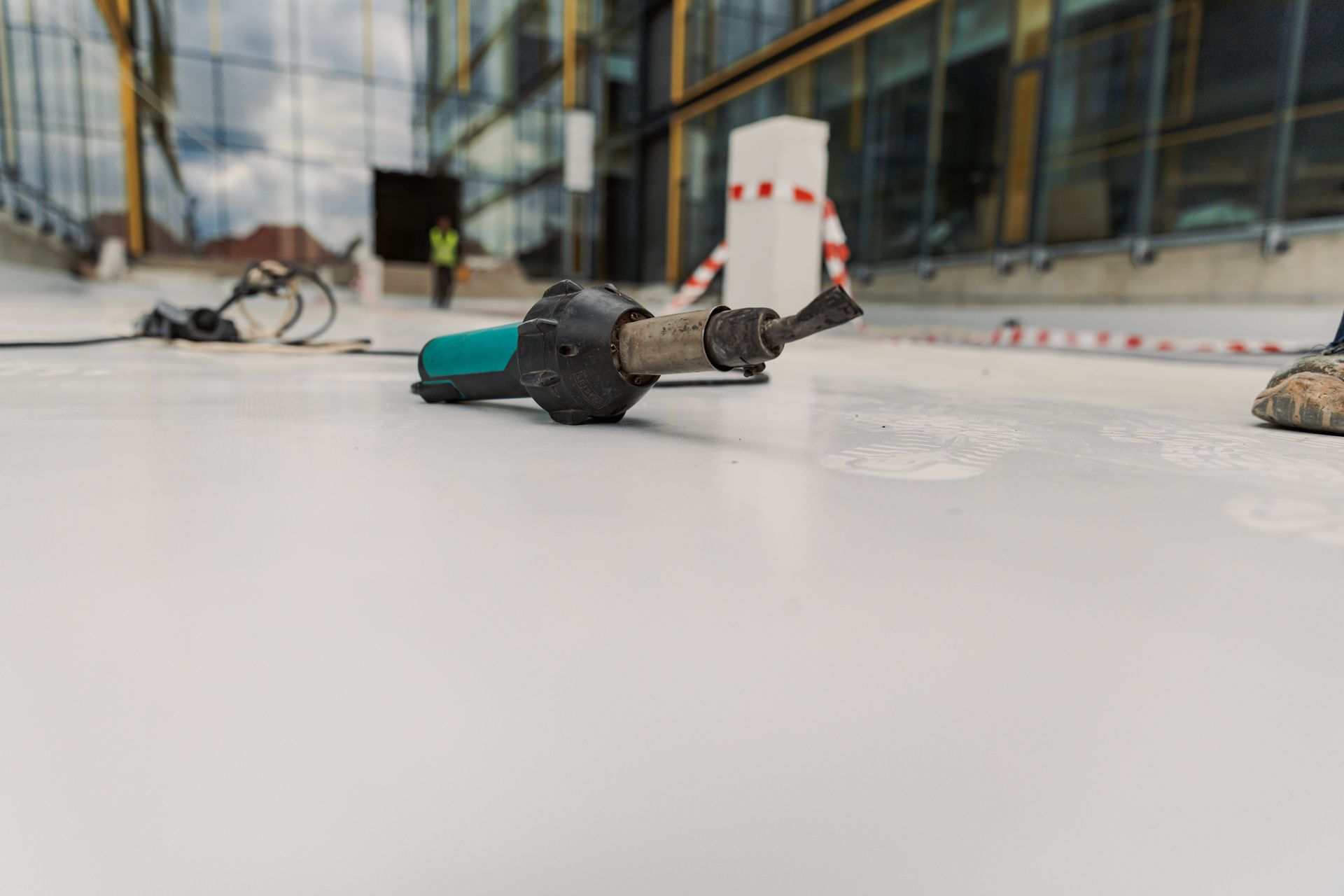
TPO and PVC proposals should identify the selected membrane, attachment and treatment of curbs and penetrations across the tenant spaces.
EPDM assessment should account for existing seam details and repairs. Explain where the assembly remains serviceable and where correction is needed.
Modified bitumen work requires a defined layer and flashing scope. Make preparation and tie-in boundaries visible in the proposal.
Metal options need coordinated panel, edge and equipment details. Review any transition between a sloped architectural roof and a low-slope section.
An appearance preference can be part of selection, but the written specification should explain the complete roofing work.
A commercial roofing proposal is easier to manage when it describes both construction and coordination.
Tie each roof area to an identified scope, reducing confusion when several suites report different symptoms.
Specify materials and adjoining details so owners can compare proposals without relying on a headline price.
Build tenant communication and vendor access into planning before the first day on site.
Leave a complete project record that can be handed to the next property manager without reconstructing the work.
Define how changes will be priced and approved before they arise. That process is especially useful when ownership is off site.
Request a Commercial ConsultationFor a Bonita Springs commercial building, compare the reach of the defect with the reach of the proposed work. One affected suite does not automatically mean a single small roof area is responsible.
A localized defect may support repair when the surrounding assembly allows a dependable tie-in. The proposal should identify the detail and any adjoining condition requiring attention.
Multiple independent failures or broad deterioration can support a replacement evaluation. Explain the evidence and how the replacement scope addresses the underlying concerns.
If work is split into phases, ask how each phase connects and what remains exposed to future maintenance needs.
Discuss Repair & Replacement Commercial drainage planning should connect roof slopes and outlets with the building's exterior use. Include drains, scuppers, gutters and relevant equipment curbs in the review. Where discharge affects entrances or service areas, identify the concern and the scope needed to address it.
Share observations from tenants about overflow timing and location. Reports are most useful when they identify a date, area and visible symptom.
Make the sequence clear enough for ownership, management and tenants to understand their roles.
Collect roof history, suite-level reports and the property's operating requirements.
Assess roof conditions and document where further investigation is necessary.
Compare scopes and confirm who can authorize the selected work.
Coordinate tenant communication, deliveries and equipment-vendor involvement.
Review closeout records and assign responsibility for future maintenance.
Before mobilization, confirm access, communication and the process for approving concealed findings. Retain the completed scope and closeout records with the property’s roof history.
Start a Commercial Roofing DiscussionBonita Springs properties can have very different uses and layouts. Tell us whether the request concerns a single business, a multi-tenant building or a managed group of structures.
For a property with several occupants, provide a roof plan or basic building sketch if one is available. Mark affected suites and access points, then identify the manager who can coordinate entry. This turns separate tenant reports into a useful inspection brief while keeping the actual roof findings as the basis for the recommendation.
Include the full address and the people, areas and restrictions relevant to this project.
RoofCheck can support continuity between property-management teams. Ask what the program documents, how recommended corrections are communicated and which roof areas the agreement includes.
Keep service records for rooftop equipment with the roofing file. Comparing changes over time can help make a later leak report more useful than a description of the ceiling stain alone.
Explore the RoofCheck™ ProgramWhen water enters an occupied Bonita Springs commercial building, call the emergency roofing number and give the affected suite or room locations. Provide a contact who can coordinate access across the relevant spaces.
Ask how immediate measures and the remaining scope will be reported. Urgent work may stabilize a condition while permanent repairs still require investigation, material selection and approval.
Commercial warranty review should be part of approving the scope. Confirm covered areas, exclusions, required maintenance and how concerns must be reported. If separate phases or materials have different documents, keep that distinction clear in the property's records.
Review the actual manufacturer warranty offered for the proposed commercial assembly, including eligibility, exclusions and owner obligations.
Ask Crowther to identify the workmanship terms for the authorized commercial scope and explain how a concern should be reported.
Identify the issuer, roof areas, products, term and any required inspections or maintenance in the written warranty.
Keep the completed-work description, exclusions, reporting procedure and applicable term with the project agreement.
Keep your scope, completion record and warranty together. Ask Crowther to explain the terms before the project begins.
Crowther works with commercial owners, managers and project teams. For a Bonita Springs property, use that conversation to connect the technical roofing recommendation with tenant coordination, equipment access and the records ownership expects to receive.
Clear findings. Coordinated work. Useful records.
Start with findings and the needs of the building.
Compare scopes with clear boundaries and exclusions.
Bring roofing into the broader construction schedule.
Report urgent water entry through the emergency line.
Confirm the records and coverage delivered at closeout.
Discuss commercial maintenance and follow-up needs.
Practical answers for Bonita Springs commercial property owners, managers and project teams.
Have a question about your building or an existing proposal? Tell us which roof areas and operating requirements need attention.
Ask a Commercial Roofing QuestionAsk for commercial project examples that explain occupied-building coordination and roof detailing. Relevant documentation is more useful than a claim that every project runs the same way.
Roof areas, edges and access belong in the plan.
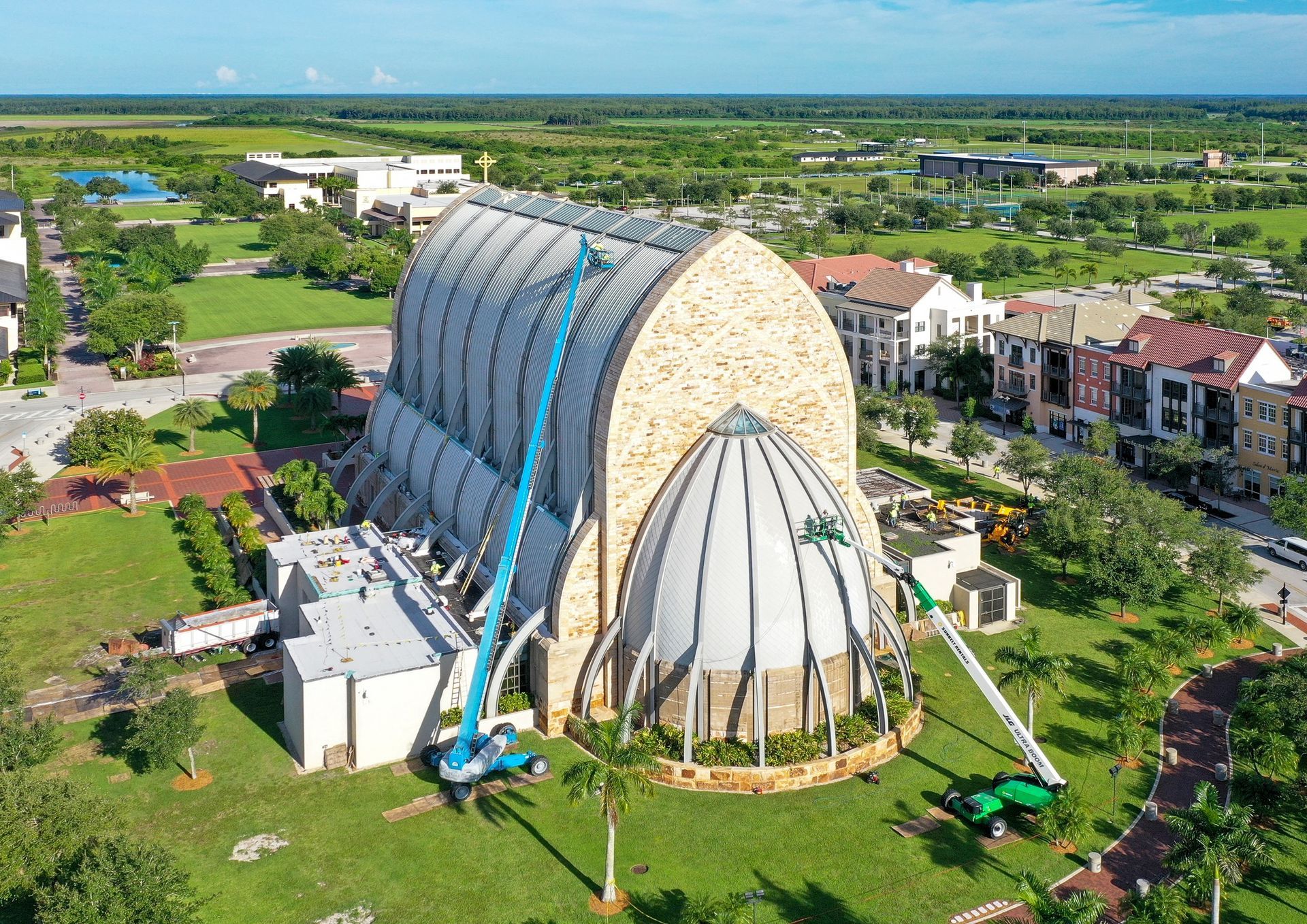
Geometry and adjoining work shape the installation.
Compatible details connect the surface to the assembly.
Images from Crowther’s published commercial pages illustrate roofing capabilities. They are not presented as completed projects in Bonita Springs.
Discuss a Comparable Commercial ProjectTell us what your Bonita Springs property needs and who should be involved in planning.
Start with the affected roof areas and operating requirements, then request a commercial consultation that addresses both.
Share the property address, tenant or manager contact and the main roof concern. Let’s define the next commercial roofing step.
Commercial roofing for Bonita Springs property owners and managers.