Work-bay access
Keep vehicle movement and equipment routes visible in the plan for staging and work zones.

A Buckingham commercial roof may protect an office, a workshop, storage or several uses under one roof. Each space can have different operating needs. Crowther Roofing & Cooling helps owners evaluate the roofing condition and plan work around the property they actually run.
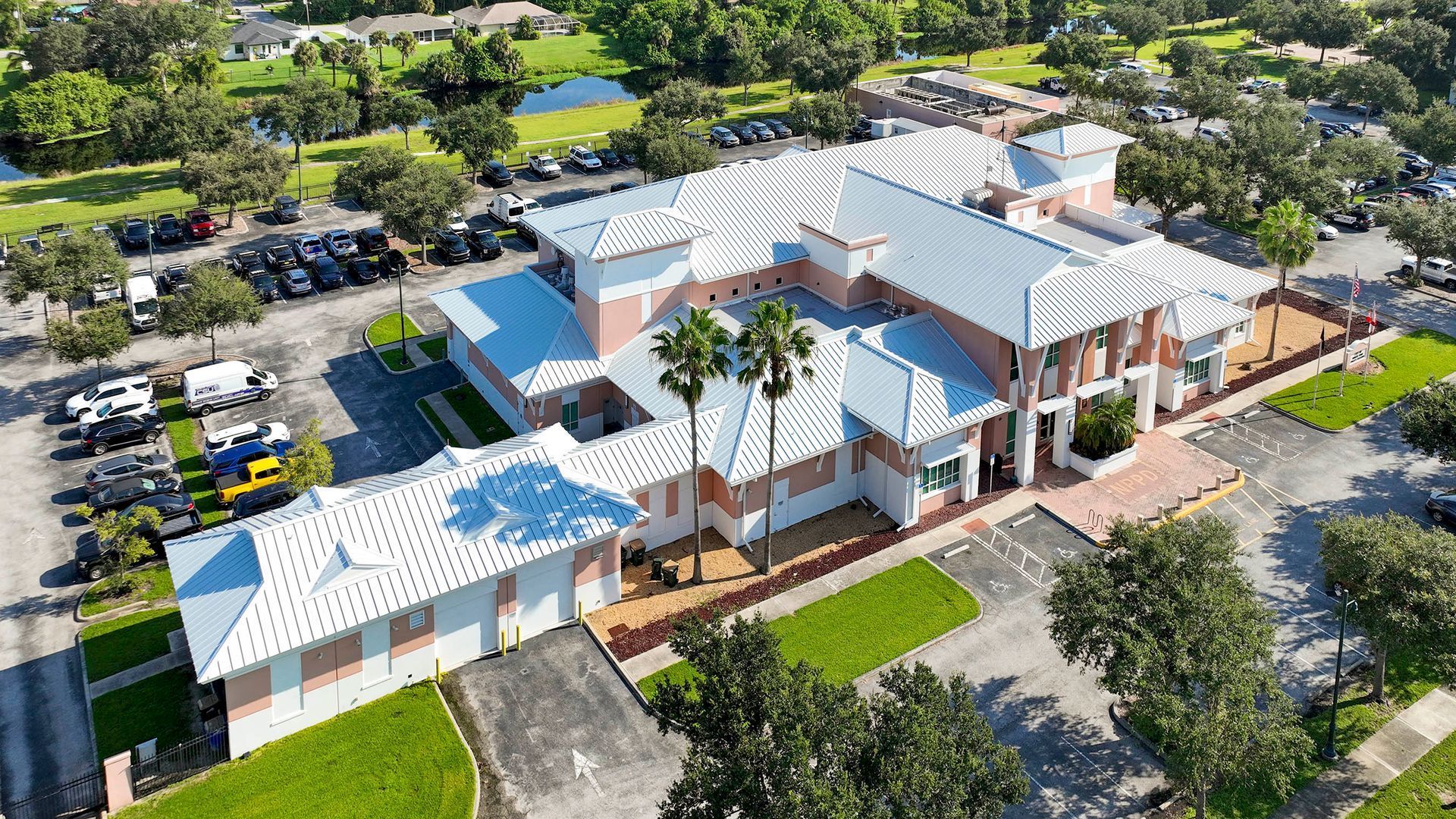

The same roof defect can have different consequences depending on what sits below it. Water above packaged inventory, an active work bay or a quiet office creates different coordination needs. For a Buckingham property, begin by identifying the affected space and how it is used. That gives the roof assessment context without substituting business urgency for a technical diagnosis.
Older and newer portions of a building also deserve separate attention. An addition may meet the original roof at a wall or change in slope, and a later equipment installation may have introduced another opening. Provide the history you know, including earlier repairs. Unknown construction should be identified as a question rather than quietly assumed in an estimate.
A clear commercial proposal states the roof area, materials, details and preparation included. It also explains how access, deliveries, debris and operating restrictions will be coordinated. The owner can then compare a focused repair with a broader project using the actual scope instead of trying to infer it from a short price description.
Match the service to the issue you need resolved, from a specific leak to a roof plan for a growing business.
Have an isolated defect evaluated with the adjoining roof condition in view. Ask which detail is being corrected and how the repair ties into existing material.
Explore Commercial Repair → 02Review replacement when roof condition supports a larger scope. Identify the building sections and operating spaces affected by removal and installation.
Explore Commercial Replacement → 03Plan roofing for a new commercial structure or addition alongside the construction drawings and trade schedule.
Explore Commercial Installation → 04Request a condition assessment with clear inspection boundaries. Supply known leaks, previous repairs and planned building changes.
Explore Commercial Inspections → 05Use RoofCheck to keep a roof history that includes maintenance recommendations and completed corrective work.
Explore Commercial RoofCheck → 06Discuss coating only after suitability is established. Preparation and necessary repairs should be identified before the surface treatment is proposed.
Explore Roof Coatings → 07Investigate adjoining water-management details where a roof meets a wall, canopy or other building element.
Explore Waterproofing → 08Ask about thermal imaging when suspected moisture warrants another investigative tool. Findings need context and appropriate confirmation.
Explore Thermal Imaging → 09Request aerial observations to help document roof layout and visible conditions across the property.
Explore DroneCheck → 10Call about active water entry or sudden roof damage, with clear directions to the affected work area or building.
Explore Emergency Roofing →Buckingham's mix of property layouts makes a detailed site conversation useful. Assess these considerations where they apply to your business.
Keep vehicle movement and equipment routes visible in the plan for staging and work zones.
Identify changes in age, slope or material where construction phases meet.
Show areas that cannot be used for debris containers or deliveries without moving business materials.
Explain which spaces contain goods or equipment needing special coordination during the work.
Verify entry routes and turning space before arranging larger deliveries.
List later equipment or vent installations so their connections are included in the assessment.
A short walkthrough with the site operator can reveal access constraints that are not obvious from an aerial view.
Discuss Your Commercial PropertyChoose commercial roofing by construction and intended use. A workshop addition and a conditioned office may require different discussions even when they share one address.
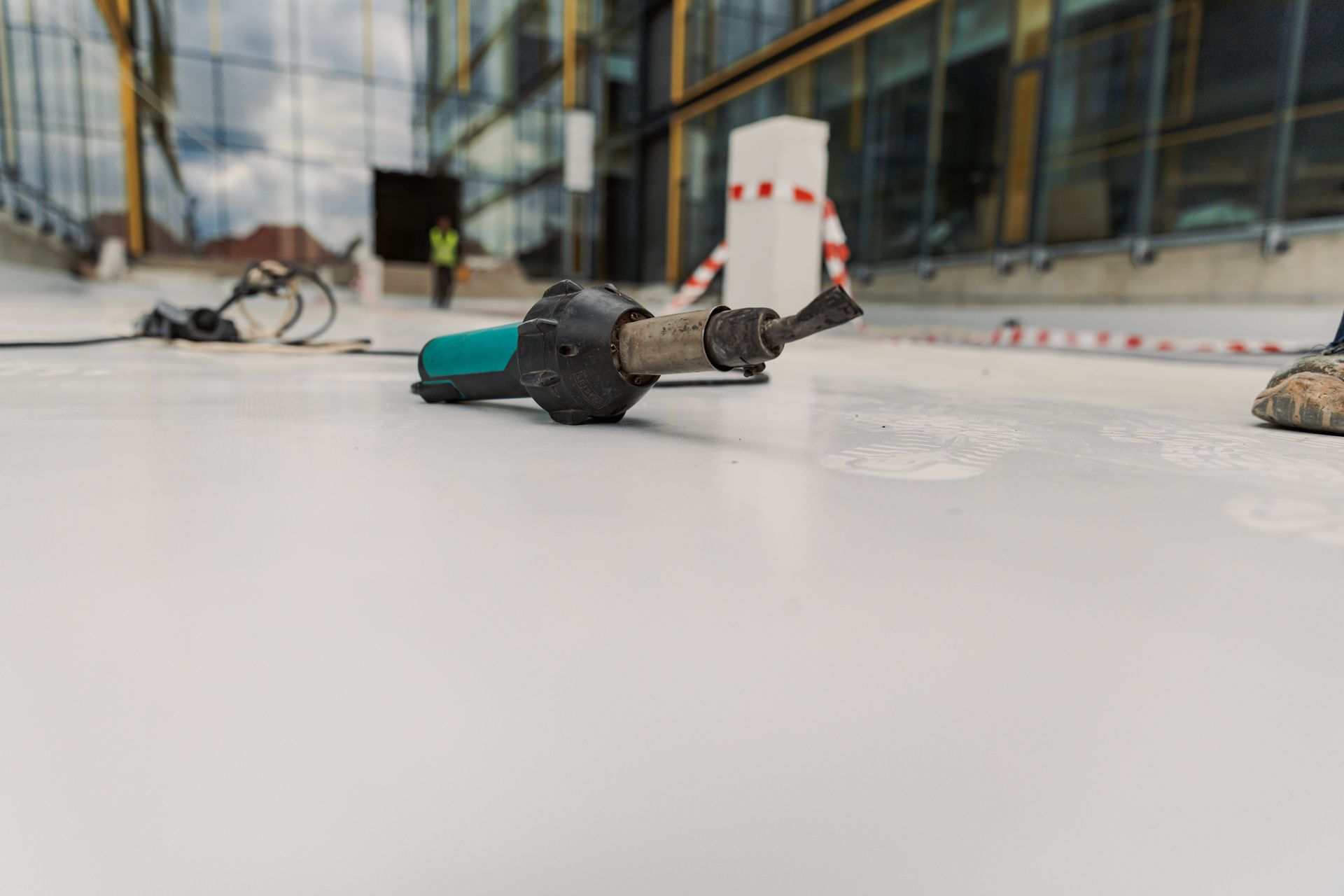
TPO or PVC selection should specify the membrane and the full assembly around it. Include curb and perimeter detailing in the comparison.
EPDM repair planning starts with identifying the installed product and surrounding condition, including earlier seam or flashing work.
Modified bitumen evaluation should describe the existing layers and how proposed work will connect to retained roofing.
Metal roofing decisions include panel layout, fastening and penetrations. Compare those details alongside the desired finished appearance.
Ask which assumptions about the existing roof need confirmation before the final installation scope is settled.
A useful roofing plan gives a Buckingham owner control over decisions that otherwise surface during construction.
Define work by building section so the contract is clear about additions, canopies and the main roof.
Connect the proposed material with substrate condition and the details needed around existing openings.
Plan deliveries and removal around vehicle movement, storage and business access.
Keep a record of work completed and recommendations deferred for a later review.
If an area is excluded, ask why and record its condition. An exclusion should be understandable to the next person managing the property.
Request a Commercial ConsultationEvaluate whether the failed detail can be corrected reliably within the surrounding roof. The age of the business or a neighboring building does not answer that question.
A defined seam, flashing or penetration issue may support repair when the adjoining material remains suitable. Explain how the correction addresses the observed failure.
Broader replacement may be appropriate when defects are widespread or repair boundaries cannot provide a sound result. Review the evidence before expanding the scope.
Compare what each option leaves in place, including older roof sections and any unresolved drainage concern.
Discuss Repair & Replacement At a Buckingham work property, roof discharge can interact with loading areas and routes used by vehicles or staff. Review the applicable drains, scuppers, gutters and edges as part of the roof discussion. Identify where a roofing correction ends and another exterior scope begins.
Report recurring overflow and any changes made when additions or canopies were built. That history can help explain today's water path.
Keep the roofing process aligned with the person operating the site and the person approving the investment.
Explain the building use, symptoms and construction history available to you.
Assess roof areas, transitions and drainage, documenting uncertainties.
Review the recommended scope and clarify retained materials and exclusions.
Coordinate access, work zones and communication with the site operator.
Collect closeout information and establish the next maintenance action.
Before mobilization, confirm access, communication and the process for approving concealed findings. Retain the completed scope and closeout records with the property’s roof history.
Start a Commercial Roofing DiscussionFor a Buckingham commercial service request, provide a precise address and describe the building to be evaluated. Properties with several uses or structures need more detail than a business name alone.
Let the team know if customer access, equipment movement or deliveries share the same drive. Identify who can arrange entry and show the roof access point. These practical details help prepare a useful visit while the inspection establishes the roofing conditions that determine the work.
Include the full address and the people, areas and restrictions relevant to this project.
A roof file for a Buckingham business should connect observations to a recognizable building area. Ask how RoofCheck records those locations and recommends follow-up when conditions change.
Add later trade visits and any new roof openings to the same history. That makes ongoing maintenance more useful than a collection of invoices with no location or scope information.
Explore the RoofCheck™ ProgramReport an urgent commercial leak with the affected building section and current interior conditions. Provide a site contact who can direct the team to the correct entrance and coordinate access.
Temporary protection, when feasible, is one stage of the response. Ask what permanent evaluation or correction remains and how the owner will receive that recommendation.
Confirm commercial warranty terms for the exact work on your Buckingham building. Identify the covered area, material and workmanship obligations, reporting procedure and maintenance expectations. Do not assume a new section automatically changes coverage on an older adjoining roof.
Review the actual manufacturer warranty offered for the proposed commercial assembly, including eligibility, exclusions and owner obligations.
Ask Crowther to identify the workmanship terms for the authorized commercial scope and explain how a concern should be reported.
Identify the issuer, roof areas, products, term and any required inspections or maintenance in the written warranty.
Keep the completed-work description, exclusions, reporting procedure and applicable term with the project agreement.
Keep your scope, completion record and warranty together. Ask Crowther to explain the terms before the project begins.
Crowther's commercial roofing capabilities cover repairs, replacements, new installations and maintenance. A Buckingham owner can use that range to discuss an immediate problem while keeping future building plans in view.
Clear findings. Coordinated work. Useful records.
Start with findings and the needs of the building.
Compare scopes with clear boundaries and exclusions.
Bring roofing into the broader construction schedule.
Report urgent water entry through the emergency line.
Confirm the records and coverage delivered at closeout.
Discuss commercial maintenance and follow-up needs.
Practical answers for Buckingham commercial property owners, managers and project teams.
Have a question about your building or an existing proposal? Tell us which roof areas and operating requirements need attention.
Ask a Commercial Roofing QuestionRequest commercial examples that explain material transitions, access planning and the scope delivered. Those details help you evaluate experience relevant to your building.
Roof areas, edges and access belong in the plan.
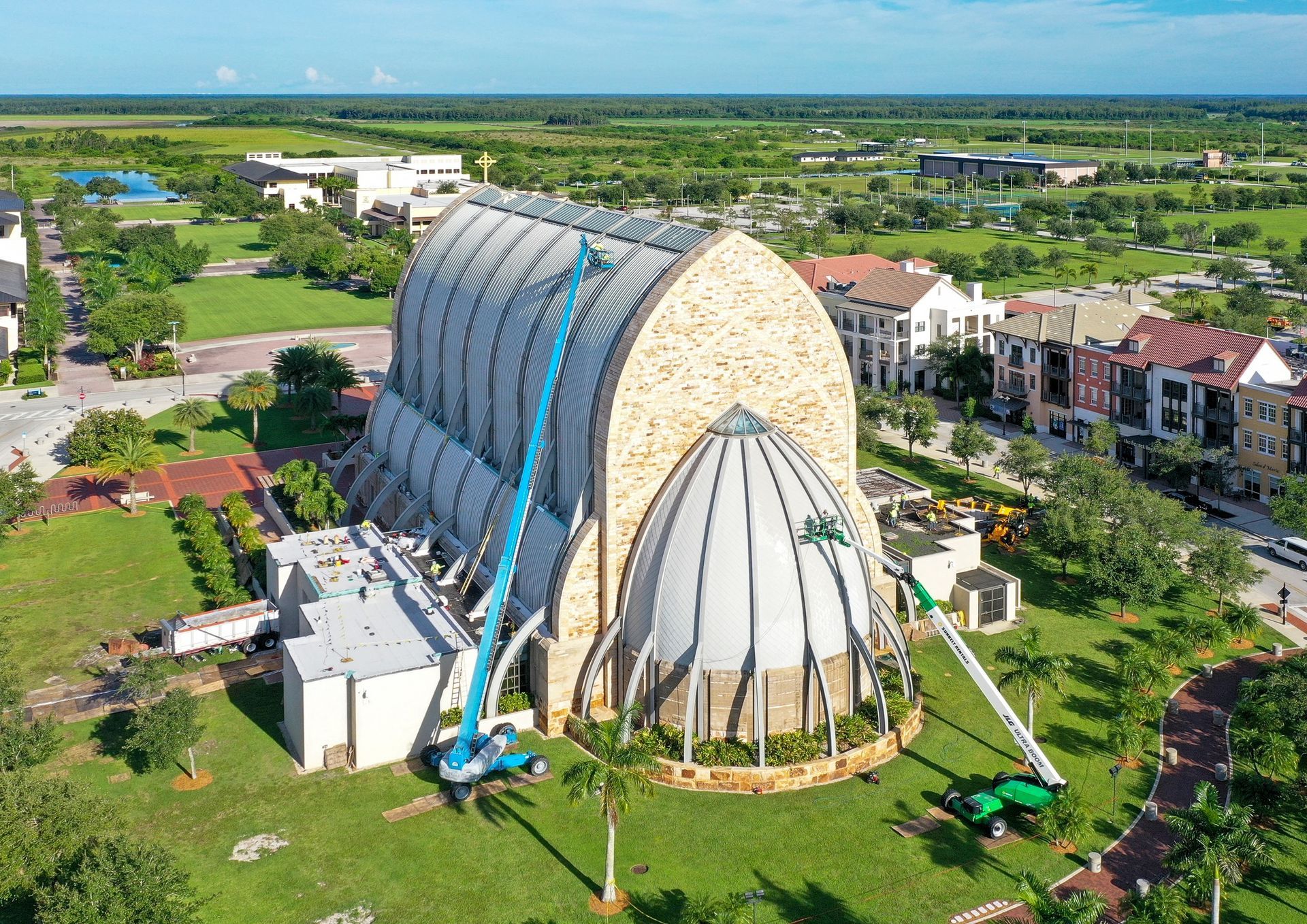
Geometry and adjoining work shape the installation.
Compatible details connect the surface to the assembly.
Images from Crowther’s published commercial pages illustrate roofing capabilities. They are not presented as completed projects in Buckingham.
Discuss a Comparable Commercial ProjectStart with the Buckingham building or roof area that needs attention.
Share the current concern, how the space is used and any plans for the property so the roofing discussion has the right context.
Request a commercial roof evaluation with your address, building description and preferred site contact.
Commercial roofing for Buckingham property owners and managers.