Equipment traffic
Identify how service technicians reach rooftop equipment and where repeated access occurs.

A Cape Coral business needs a roofing plan that accounts for the activity below the roof. Inventory, staff, customers and rooftop equipment can all affect how work is coordinated. Crowther Roofing & Cooling helps owners turn inspection findings into a scope they can plan around.
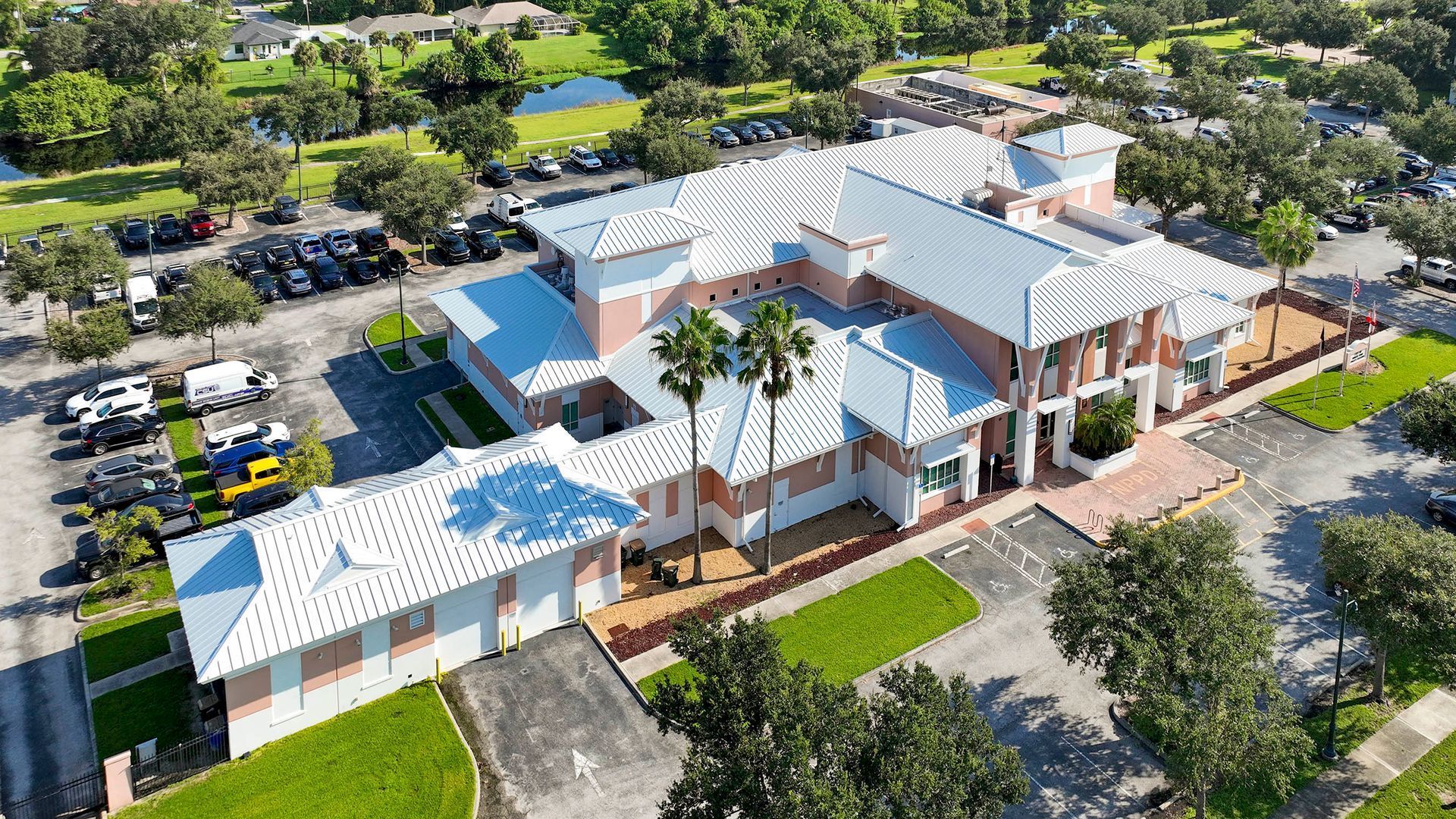

Commercial roof decisions become harder when service records are scattered across tenants, vendors and former managers. A leak report may use a suite number, while a repair invoice describes the west roof. For a Cape Coral property, establish a roof-area map that connects those descriptions. Consistent naming helps everyone understand where work was completed and where a new concern has appeared.
Include the rooftop equipment history. Mechanical servicing, new curbs and other penetrations can introduce details that deserve inspection alongside the membrane or panels. Ask for a recommendation that explains these connections instead of treating the roof as an uninterrupted surface. Where another trade is involved, responsibilities should be named in the scope.
For a planned replacement, bring operating requirements into the discussion early. Loading routes, employee parking, customer access and sensitive interior areas may affect staging and sequencing. A defined scope, communication contact and change-approval process give ownership a more useful basis for planning than a square-foot price with little explanation.
Choose the commercial service that addresses your current need, then connect it with a longer-term roof record for the property.
Investigate leaks with the roof layout and equipment history in view. Define the corrected area and any related details that remain outside the repair.
Explore Commercial Repair → 02Evaluate a reroof using the condition of the existing assembly and the operating needs below. Compare removal, preparation and installation scopes.
Explore Commercial Replacement → 03Bring commercial roofing into the construction schedule early, including planned equipment openings, drainage and adjacent trades.
Explore Commercial Installation → 04Request an inspection that documents roof areas consistently and distinguishes visible findings from questions needing further investigation.
Explore Commercial Inspections → 05Discuss commercial RoofCheck for a repeatable property record and practical recommendations between larger projects.
Explore Commercial RoofCheck → 06Evaluate coating based on the existing assembly, moisture concerns and preparation needs. Confirm the roof is a suitable candidate before choosing the option.
Explore Roof Coatings → 07Review water intrusion at connected walls and building details when the symptom extends beyond a straightforward membrane defect.
Explore Waterproofing → 08Ask whether thermal imaging can help answer a specific moisture question and how its findings will be confirmed.
Explore Thermal Imaging → 09Use aerial documentation to support a broad view of the roof and property, with close inspection where detail is needed.
Explore DroneCheck → 10Report urgent leaks or openings with the affected roof area, interior impact and contact available to arrange access.
Explore Emergency Roofing →Cape Coral's property layouts vary widely. Use the site's actual access, drainage and occupancy to shape the roofing plan.
Identify how service technicians reach rooftop equipment and where repeated access occurs.
Explain delivery routes and times so staging does not conflict with routine business movement.
Where a site borders water, discuss available working space and exposed details based on the actual layout.
Record roof alterations associated with fit-outs, new equipment and changing uses.
Distinguish original construction, additions and separate drainage areas in the records.
Plan where materials and removal equipment can be placed while accounting for visitors and employees.
The same city address can include roof areas with very different histories. Keep the findings specific to each area.
Discuss Your Commercial PropertyCommercial material selection should reflect the assembly and the building's use. Compare products alongside attachment, insulation, flashings and future access needs.
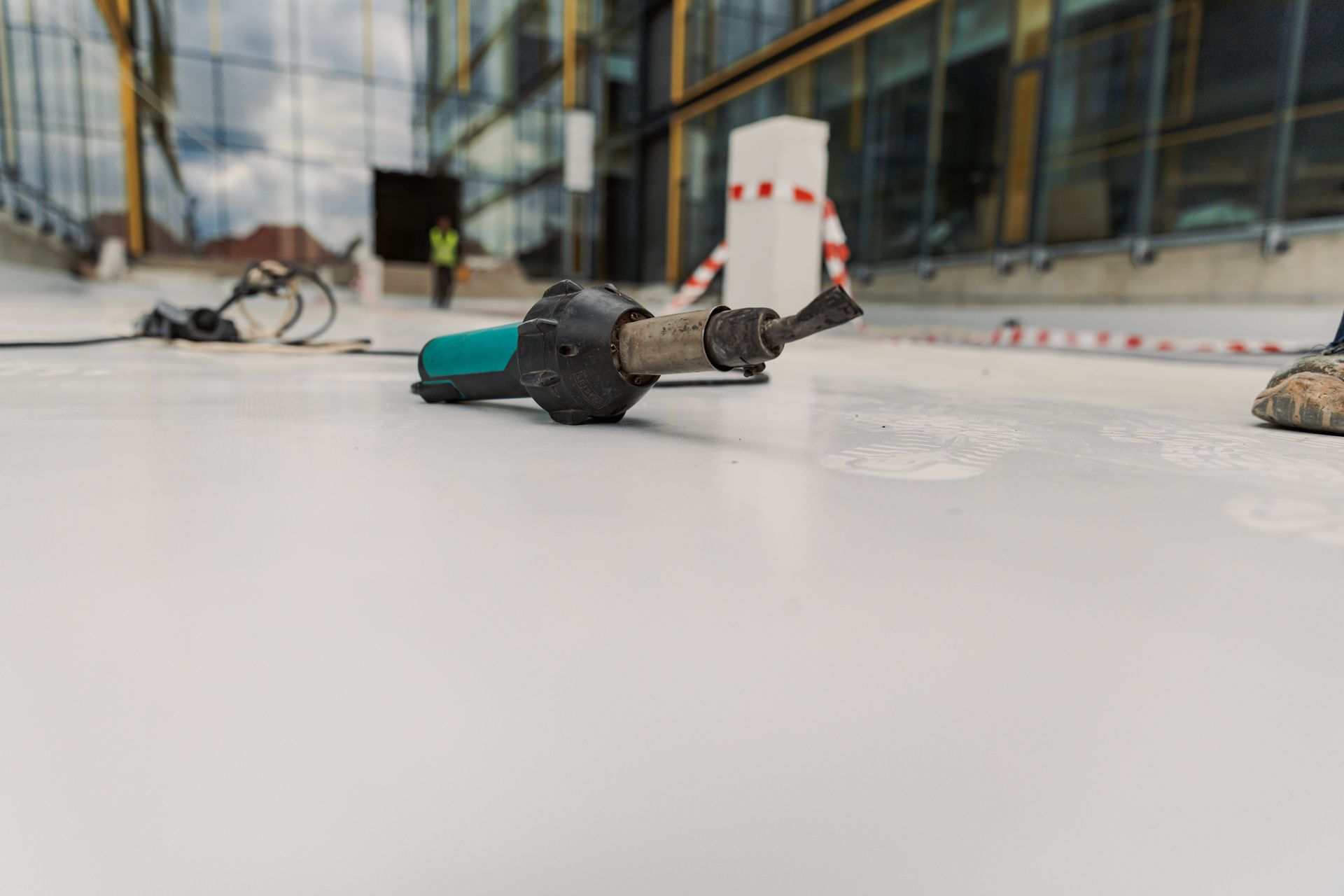
TPO and PVC are separate membrane choices. Ask the proposal to name the selected product and explain the compatible curb, edge and seam details.
EPDM evaluation should consider how existing seams and repairs have performed. Discuss repair compatibility before selecting new materials.
Modified bitumen work needs a clear description of layers and transitions, especially where additions connect to older roofing.
Commercial metal details include panel joints, fasteners and perimeter components. Coordinate penetrations and any transition to a low-slope roof.
When equipment work is planned, discuss it before the roofing specification is finalized so both scopes can account for the connection.
A documented roofing project helps Cape Coral owners make decisions across maintenance, construction and daily operations.
Map the approved work to recognizable roof zones and interior areas so everyone uses the same location references.
Compare complete assemblies and preparation requirements rather than a material name alone.
Coordinate access with tenants, suppliers and equipment vendors who also use the property.
Preserve the findings and completed details so the next service visit starts with useful history.
Keep one current contact list with the roof file, including the person authorized to approve unexpected work.
Request a Commercial ConsultationConsider how often problems occur, where they occur and what the roof assessment shows. Repeated leaks in one area and independent failures across several areas may lead to different scopes.
A defined puncture, seam or flashing defect may be corrected locally when the surrounding roof supports reliable repair. Include related preparation and details in the scope.
Replacement may warrant consideration when the assembly has broader deterioration or repairs cannot establish dependable boundaries. Ask for documented reasons and a complete proposed scope.
If restoration is suggested, confirm the roof is suitable and identify the conditions that must be corrected before coating.
Discuss Repair & Replacement Follow water across the roof zones to drains, scuppers or gutters as applicable. Include equipment curbs and roof-to-wall details that interrupt the path. At ground level, identify discharge concerns near loading areas and entrances so they can be assigned to the appropriate scope.
Provide any known history of outlet changes or added equipment. Changes elsewhere on the roof may help explain a newer drainage complaint.
Keep the project organized around roof areas, responsibilities and the decisions needed at each stage.
Gather the roof map, leak history, equipment changes and operating priorities.
Inspect accessible conditions and document findings by roof zone.
Compare recommendations and confirm materials, exclusions and approval authority.
Coordinate work zones, deliveries and communication with the property team.
Review completion records and update the maintenance plan for retained roof areas.
Before mobilization, confirm access, communication and the process for approving concealed findings. Retain the completed scope and closeout records with the property’s roof history.
Start a Commercial Roofing DiscussionFor Cape Coral commercial roofing, describe the building use and the practical limits of the site. A small occupied property may need as much coordination as a larger roof with easy access.
If you manage several Cape Coral locations, keep each address and roof history separate in the request. Identify which concern is urgent and which is part of planned work. This helps the discussion stay tied to actual conditions instead of assuming a common material or shared ownership makes every building's needs identical.
Include the full address and the people, areas and restrictions relevant to this project.
A commercial RoofCheck plan can help create continuity across repeated service visits. Ask what information is recorded, how roof areas are identified and how recommended work is brought to ownership for approval.
For multiple properties, keep records consistent but distinct. Each building needs its own observations, completed repairs and open recommendations so a portfolio summary does not obscure a specific roof concern.
Explore the RoofCheck™ ProgramCall the emergency line for active water entry or sudden roof damage at a Cape Coral commercial property. Give the street address, affected interior area and an access contact who knows the building.
Once immediate measures are discussed, ask for the remaining evaluation and permanent-work requirements. Document what was stabilized and what still needs an owner decision.
Review commercial coverage by assembly and project scope. Ask which roof zones are covered, what owner maintenance is required and how later equipment work could affect obligations. Keep the actual warranty documents with closeout records rather than relying on a general description of coverage.
Review the actual manufacturer warranty offered for the proposed commercial assembly, including eligibility, exclusions and owner obligations.
Ask Crowther to identify the workmanship terms for the authorized commercial scope and explain how a concern should be reported.
Identify the issuer, roof areas, products, term and any required inspections or maintenance in the written warranty.
Keep the completed-work description, exclusions, reporting procedure and applicable term with the project agreement.
Keep your scope, completion record and warranty together. Ask Crowther to explain the terms before the project begins.
Crowther supports commercial owners, facility managers and construction teams with roofing services from inspection through ongoing care. A Cape Coral consultation should connect that capability to your roof history, operating requirements and proposed project.
Clear findings. Coordinated work. Useful records.
Start with findings and the needs of the building.
Compare scopes with clear boundaries and exclusions.
Bring roofing into the broader construction schedule.
Report urgent water entry through the emergency line.
Confirm the records and coverage delivered at closeout.
Discuss commercial maintenance and follow-up needs.
Practical answers for Cape Coral commercial property owners, managers and project teams.
Have a question about your building or an existing proposal? Tell us which roof areas and operating requirements need attention.
Ask a Commercial Roofing QuestionLook for commercial examples that explain roof-area planning, equipment coordination and completed details. Ask how those lessons apply to your property's scope.
Roof areas, edges and access belong in the plan.
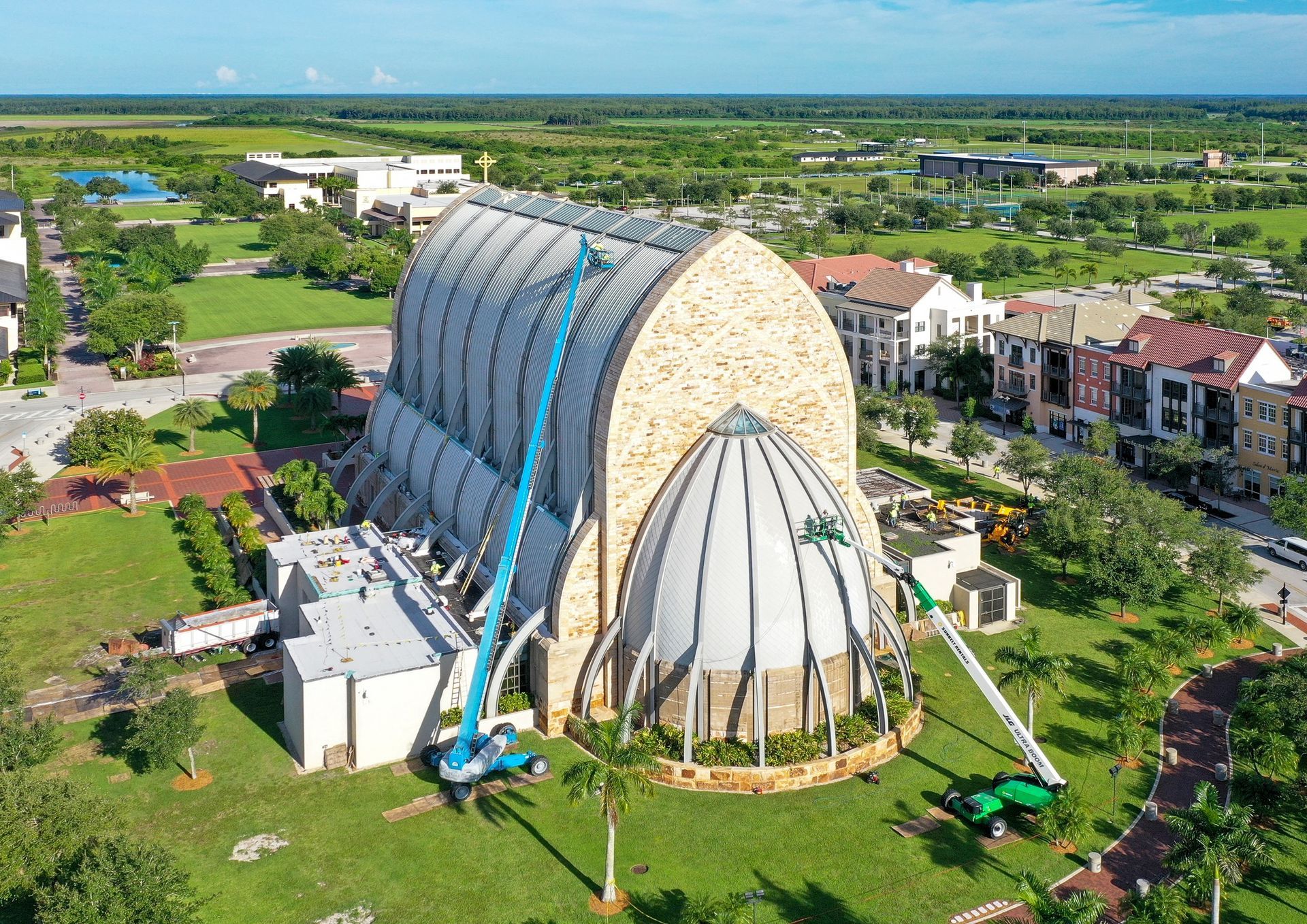
Geometry and adjoining work shape the installation.
Compatible details connect the surface to the assembly.
Images from Crowther’s published commercial pages illustrate roofing capabilities. They are not presented as completed projects in Cape Coral.
Discuss a Comparable Commercial ProjectTell us about your Cape Coral building, current roof concerns and the operations the project needs to account for.
We can help define the next service and the information needed for a clear commercial roofing proposal.
Request a commercial consultation with your address, roof history and the best contact for inspection access and project decisions.
Commercial roofing for Cape Coral property owners and managers.