Exact location
Provide the full street address and a recognizable building description for service coordination.
A smaller commercial property still needs a complete roofing assessment. An office, storage area or community-use building can have additions and roof details that a quick surface look misses. Crowther Roofing & Cooling helps Charleston Park owners understand the work before choosing a scope.

Commercial roofing should be defined by the building and the work, not by whether the property looks large from the road. A Charleston Park building may have one occupied room below an older roof section and another area beneath a later addition. Those differences can matter when tracing water entry or deciding where a repair should stop.
Start with the information available. Describe the leak, identify earlier work and explain how the building is used. If records are incomplete, say so. The inspection can establish visible conditions and flag unanswered questions. A useful recommendation distinguishes evidence from assumptions instead of treating an unknown roof history as proof that everything must be replaced.
The proposal should describe the selected work in terms an owner can follow: which roof area, what preparation, which materials and what adjoining details. Access and operating requirements also belong in the conversation. The goal is an appropriately defined project with a clear approval process and records that will make future roof care easier.
Commercial roofing services can address a focused concern or a larger building plan. Begin with the question you need answered.
Investigate a leak or damaged detail and explain the surrounding condition. Keep the repair boundary tied to the actual roof construction.
Explore Commercial Repair → 02Review replacement where roof findings justify broader work. Define the areas included and any separate roof sections retained.
Explore Commercial Replacement → 03Coordinate roofing for a new commercial or community-use structure with drawings, drainage and construction sequencing.
Explore Commercial Installation → 04Request an inspection that establishes a useful baseline when the property's roof history is incomplete.
Explore Commercial Inspections → 05Ask about commercial RoofCheck for documented observations and follow-up appropriate to the building's needs.
Explore Commercial RoofCheck → 06Discuss coating only after the existing roof is evaluated for compatibility and condition, with required corrections identified.
Explore Roof Coatings → 07Review connections to walls and other building elements where the water-entry path may cross more than one assembly.
Explore Waterproofing → 08Ask whether thermal investigation would add useful information about suspected moisture and what further confirmation may be required.
Explore Thermal Imaging → 09Use an aerial survey where it helps record layout or visible conditions, while identifying details that need closer inspection.
Explore DroneCheck → 10Call for active leakage or an unexpected opening, with the complete location and an authorized access contact.
Explore Emergency Roofing →For Charleston Park requests, an accurate building description is more helpful than assumptions about the surrounding community.
Provide the full street address and a recognizable building description for service coordination.
Identify what is known about installation and repairs, and leave unknown details open for assessment.
Distinguish later construction from the original building when describing leaks and material changes.
Explain narrow drives, locked areas or other site arrangements that affect the visit.
Identify the person responsible for the building when several groups or occupants use the space.
Report additions or exterior work that may have changed where roof runoff goes.
The examples describe planning questions, not claims about any specific Charleston Park building or a completed local project.
Discuss Your Commercial PropertyEvaluate material options against the roof's construction, condition and intended use. A smaller footprint does not remove the need for compatible details.
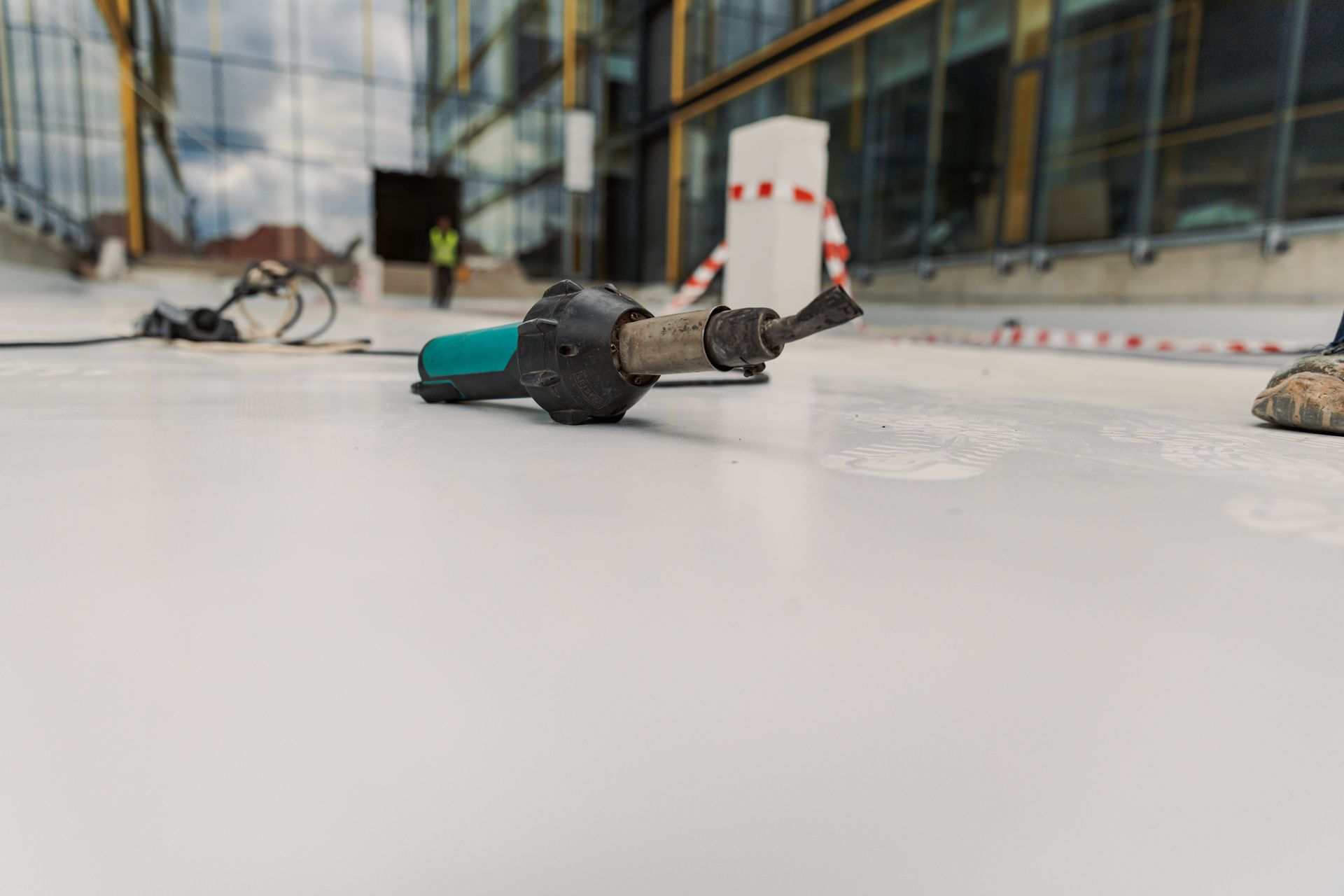
For TPO or PVC, name the proposed membrane and the associated attachment and flashing approach rather than using a generic flat-roof label.
EPDM work should begin with identifying the existing roof and the materials used in previous repairs where possible.
Modified bitumen assessment should clarify the visible surface and what is known about the layered construction beneath it.
Commercial metal scope should cover seams, fasteners and edges as well as any junction with an addition or canopy.
Ask which details the inspection can confirm and what may require further investigation before construction pricing is finalized.
A clear scope helps a Charleston Park owner avoid uncertainty even on a relatively modest roofing project.
Describe the work area precisely so the approved repair or replacement does not rely on a vague building description.
Identify materials and connections that fit the existing construction and the intended correction.
Coordinate entry and work arrangements with the person responsible for the occupied space.
Create a roof record now that will remain useful even when earlier documentation is missing.
Keep open questions visible until they are resolved. A stated assumption is easier to manage than an unexpected omission.
Request a Commercial ConsultationA single reported leak is a starting point for investigation. The condition of the assembly and its connections determines whether localized work is appropriate.
A defined defect with suitable surrounding materials may support a focused repair. The scope should explain the correction and the roof area that remains untouched.
If deterioration extends beyond workable repair boundaries, replacement deserves review. Ask for the findings that establish the need for the larger scope.
When history is limited, ask how uncertainty affects each option and whether additional investigation would help clarify the decision.
Discuss Repair & Replacement Review how the roof sheds water and where the outlets discharge. Include applicable gutters, scuppers, drains and roof-to-wall connections. If an addition changed the water path, discuss the connection rather than treating each roof section in isolation.
Photographs of recurring overflow, taken safely from an accessible location, can help explain a condition not visible during a dry inspection.
An understandable process makes commercial roofing decisions easier for owners who do not manage construction every day.
Describe the building use, location, symptom and known roofing history.
Document accessible conditions and identify important unknowns.
Review a proposed scope with clear materials, boundaries and exclusions.
Confirm access, communication and authority to approve changes.
Retain completion information and a practical plan for future observations.
Before mobilization, confirm access, communication and the process for approving concealed findings. Retain the completed scope and closeout records with the property’s roof history.
Start a Commercial Roofing DiscussionCharleston Park service requests should include the complete address rather than relying on a nearby community name. Identify the commercial or managed building you want assessed.
If several people use the property, choose a contact who can arrange access and explain the reported concerns. Separately identify who may authorize work. A clear request helps the team prepare, while the inspection establishes the roof condition and appropriate service for that particular building.
Include the full address and the people, areas and restrictions relevant to this project.
A documented maintenance history can begin even when installation records are incomplete. Ask about commercial RoofCheck and how initial observations can provide a baseline for later comparisons.
Record subsequent repairs and building changes in the same file. Over time, the owner gains a clearer picture of which areas have been corrected and which conditions are still being watched.
Explore the RoofCheck™ ProgramWhen a Charleston Park commercial building has active water entry, call the emergency roofing line with the exact address and affected interior area. Describe access and who is available to coordinate the response.
Ask for a distinction between any immediate measures and the permanent work still required. Keep that information with the building record so the next step is not overlooked.
Review coverage for the commercial work actually proposed. Confirm the covered area, term, exclusions and reporting requirements, along with any maintenance obligations. An incomplete history for the older roof should not be confused with the written coverage for new authorized work.
Review the actual manufacturer warranty offered for the proposed commercial assembly, including eligibility, exclusions and owner obligations.
Ask Crowther to identify the workmanship terms for the authorized commercial scope and explain how a concern should be reported.
Identify the issuer, roof areas, products, term and any required inspections or maintenance in the written warranty.
Keep the completed-work description, exclusions, reporting procedure and applicable term with the project agreement.
Keep your scope, completion record and warranty together. Ask Crowther to explain the terms before the project begins.
Crowther offers commercial roofing services that can help owners move from an unclear concern to a defined project. For Charleston Park, ask for an assessment and explanation appropriate to the building instead of assuming the scope from its size or location.
Clear findings. Coordinated work. Useful records.
Start with findings and the needs of the building.
Compare scopes with clear boundaries and exclusions.
Bring roofing into the broader construction schedule.
Report urgent water entry through the emergency line.
Confirm the records and coverage delivered at closeout.
Discuss commercial maintenance and follow-up needs.
Practical answers for Charleston Park commercial property owners, managers and project teams.
Have a question about your building or an existing proposal? Tell us which roof areas and operating requirements need attention.
Ask a Commercial Roofing QuestionAsk for examples that explain the inspection findings and the work selected. A clear account of a comparable commercial detail can be more useful than a large-project photograph alone.
Roof areas, edges and access belong in the plan.
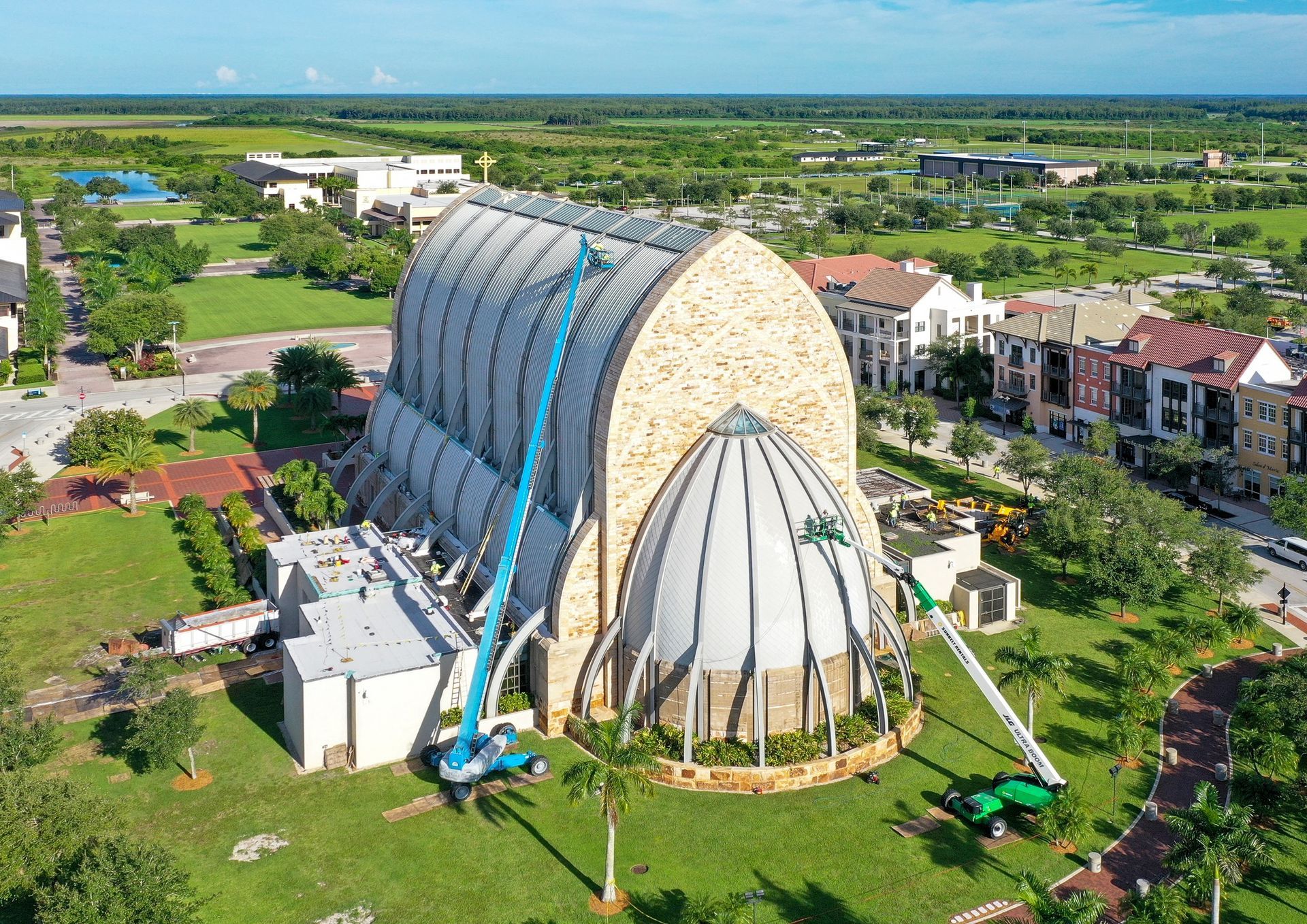
Geometry and adjoining work shape the installation.
Compatible details connect the surface to the assembly.
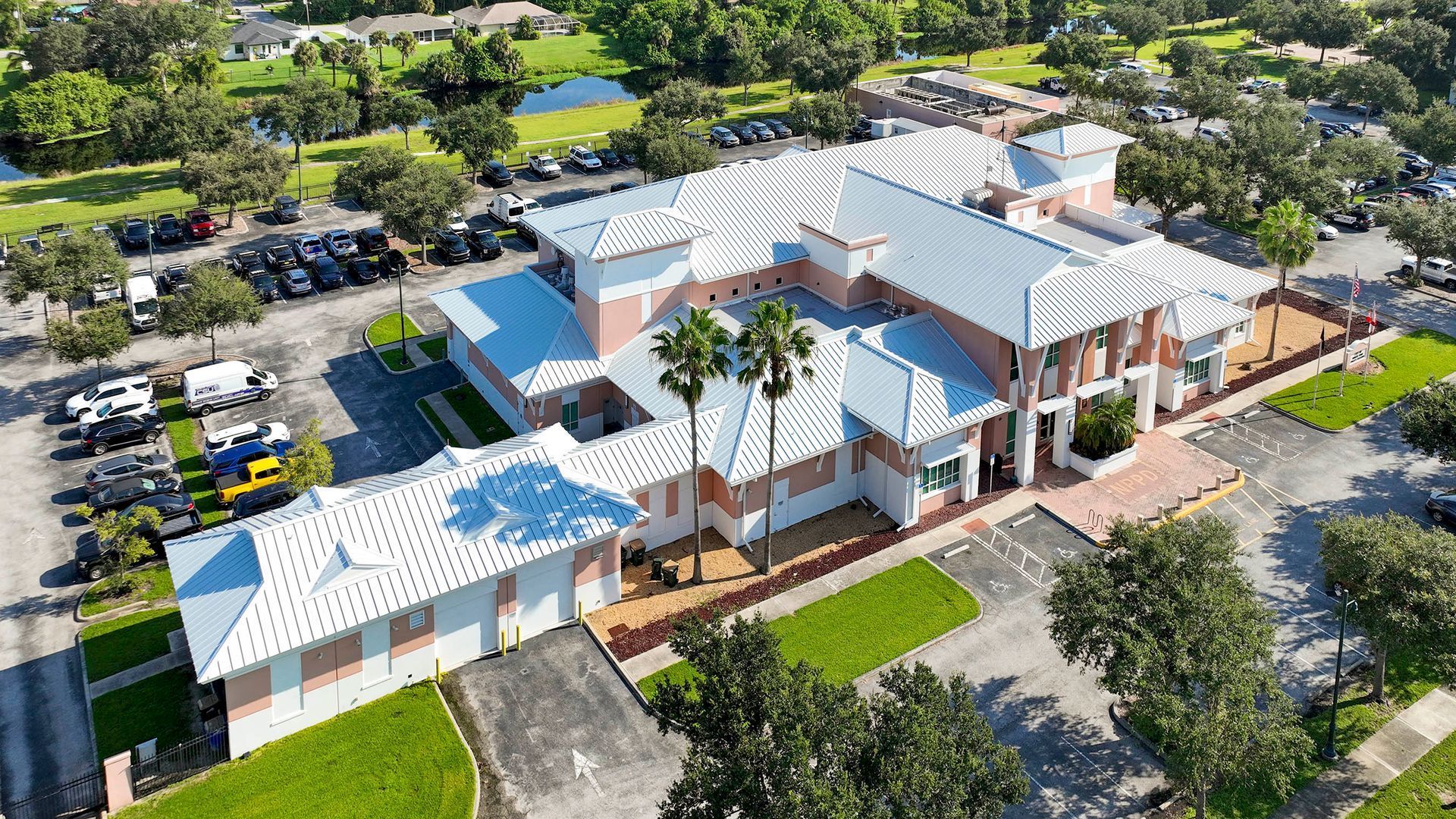
Images from Crowther’s published commercial pages illustrate roofing capabilities. They are not presented as completed projects in Charleston Park.
Discuss a Comparable Commercial ProjectTell us about the Charleston Park building and the roofing concern you need resolved.
We can discuss an appropriate commercial assessment and the information needed to define the work clearly.
Include the full address, building use and authorized contact when requesting a commercial roof consultation.
Commercial roofing for Charleston Park property owners and managers.