Shared access
Explain drives and paths used by neighboring occupants before assigning staging locations.

A Charlotte Park commercial roofing request should start with a clear description of the property. Business space, shared buildings and adjoining structures may have different owners, uses and roof histories. Crowther Roofing & Cooling helps define the areas and responsibilities involved before the work is selected.

A commercial building can share a drive, wall or roof connection with another space without sharing the same maintenance responsibility. For a Charlotte Park property, identify the requested roof area and the authorized representative at the beginning. A roofing assessment can describe the physical connections, while ownership provides the information needed to establish who may approve work.
Pay attention to additions and mixed roof sections. A low-slope area, canopy or later equipment installation may need different preparation from the main roof. Ask the proposal to explain those connections and identify retained materials. A clear boundary is especially useful when one portion is being repaired and another is left for a future project.
The operating plan should be equally specific. Explain customer access, parking, deliveries and any shared route that staging could affect. Agree on how findings and changes will be communicated. When the scope and roles are clear, the owner can evaluate the roofing recommendation without guessing what is included or who needs to be involved next.
Use these commercial services to address the requested building and roof areas, with the final scope based on inspection findings.
Evaluate a defined leak or damaged detail and identify the surrounding area needed for a compatible repair.
Explore Commercial Repair → 02Plan replacement with clear boundaries, including connections to retained roof sections and adjoining structures.
Explore Commercial Replacement → 03Coordinate roofing for a new commercial space or addition with the construction team and the relevant drawings.
Explore Commercial Installation → 04Request a documented inspection that identifies the roof areas covered and any access limitations encountered.
Explore Commercial Inspections → 05Discuss commercial RoofCheck for the areas ownership is responsible for maintaining, with clear records and follow-up contacts.
Explore Commercial RoofCheck → 06Consider coating after the existing material and condition are assessed. Define preparation and required corrections within the authorized area.
Explore Roof Coatings → 07Review water entry at connected building details and clarify which proposed corrections belong in the roofing scope.
Explore Waterproofing → 08Ask whether thermal imaging could support a specific moisture investigation and how results would be interpreted.
Explore Thermal Imaging → 09Use aerial documentation to help identify roof sections and connections across a property with shared or complex boundaries.
Explore DroneCheck → 10Call about urgent water entry and provide the affected building, exact location and authorized contact for access.
Explore Emergency Roofing →Charlotte Park roofing decisions should be tied to the actual parcel, building and operating arrangement. A mailing-area description alone does not establish the project scope.
Explain drives and paths used by neighboring occupants before assigning staging locations.
Identify the party responsible for each requested roof area and any adjoining construction.
Mark changes in material or roof age where new space was added to the original building.
Discuss how work equipment and deliveries interact with available customer or employee spaces.
Where the property adjoins a canal or other water, describe access and working-space constraints on that side.
Explain different uses under the roof so interior protection and communication can be coordinated.
Provide the complete Charlotte Park street address and building description. Confirm applicable property and project requirements through the responsible parties.
Discuss Your Commercial PropertyThe material discussion should follow the roof design and scope boundaries. Adjacent roof sections may need different approaches while still requiring a coordinated connection.
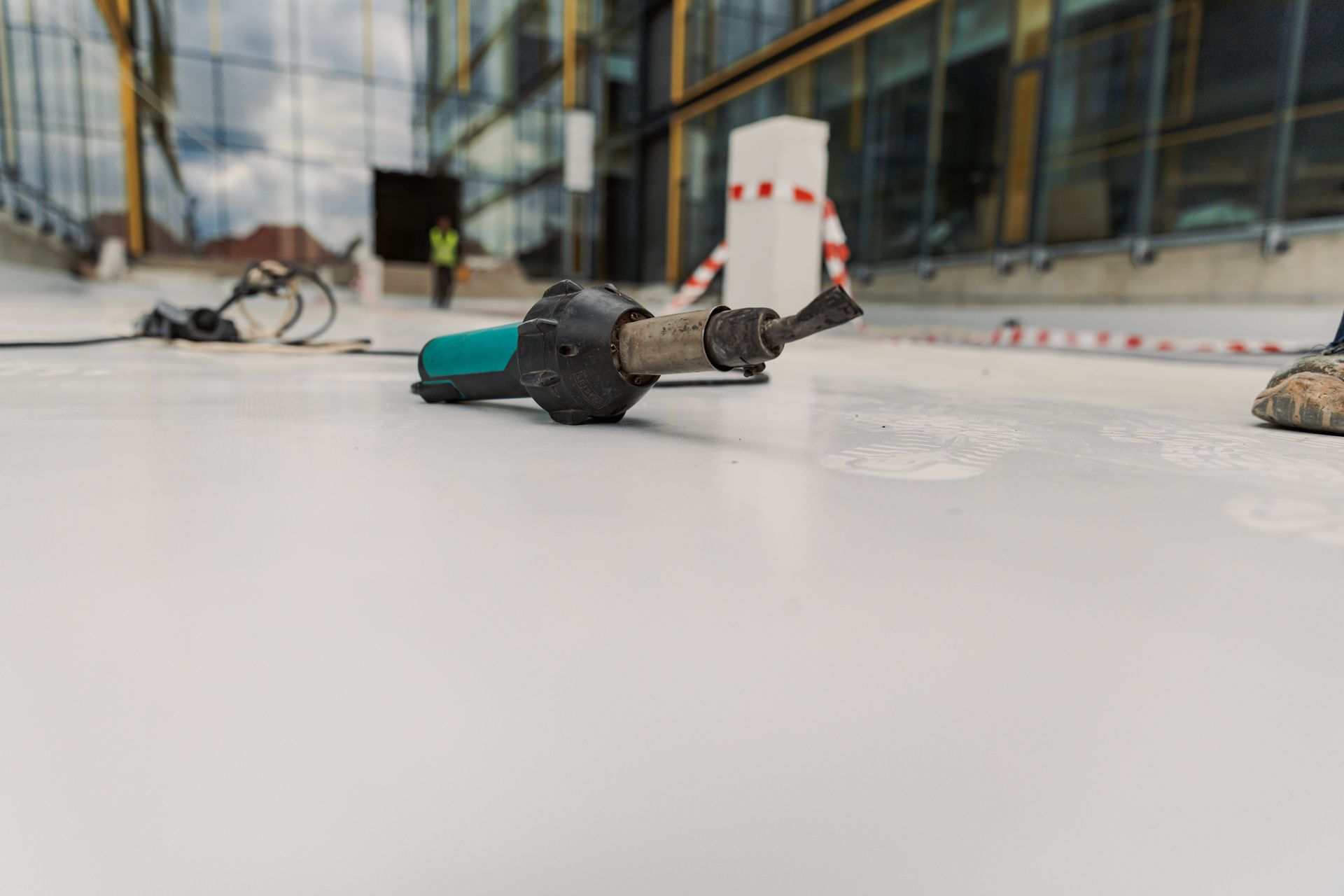
TPO or PVC work should identify the chosen membrane and how it connects to retained sections, walls and equipment details.
EPDM evaluation needs the existing product and repair history where available, with compatible materials selected for any proposed correction.
Modified bitumen scopes should explain the layers and transition details involved, particularly when only part of the roof is being addressed.
Commercial metal decisions include the panel assembly, edge components and junctions with other roof types on the property.
Ask the proposal to show how new and retained areas meet. The connection is part of the scope, not an incidental finishing item.
A carefully defined commercial project helps Charlotte Park owners manage roofing work across practical property boundaries.
Identify the roof areas authorized for work and explain any connection to areas that remain outside the contract.
Choose an assembly that fits the building while specifying the transitions to retained construction.
Coordinate shared access, parking and occupied spaces with the relevant property contacts.
Preserve records that show what was completed and what remains the responsibility of another scope or future project.
If responsibilities are unclear, resolve them before authorizing construction at a shared connection.
Request a Commercial ConsultationRepair and replacement should be compared within an appropriate physical scope. An ownership boundary does not automatically provide a suitable roofing tie-in point.
A local defect may be corrected when sound surrounding materials allow the repair to be completed within a defined area. Explain the necessary connection to retained roofing.
A broader project may be needed when deterioration or construction details prevent a reliable limited scope. Discuss the findings and any coordination with adjoining property interests.
Ask what each option leaves in place and how those retained areas will be maintained or evaluated later.
Discuss Repair & Replacement Review drainage across the actual roof layout, including water that moves toward a shared connection or adjoining structure. Identify applicable drains, scuppers, gutters and equipment details, then define which corrective work belongs in the authorized roofing scope.
Where discharge affects shared access or another property area, make the concern visible during planning instead of assuming it is included in a roof replacement.
Use a process that makes scope boundaries and responsibilities clear from the first visit through closeout.
Identify the building, requested roof areas and authorized property representative.
Assess accessible roofing and document connected conditions or limitations.
Compare options and resolve scope boundaries with the relevant parties.
Coordinate access, staging and the process for approving changes.
Review completed areas and retain clear records for ongoing care.
Before mobilization, confirm access, communication and the process for approving concealed findings. Retain the completed scope and closeout records with the property’s roof history.
Start a Commercial Roofing DiscussionCharlotte Park is a distinct community near Punta Gorda. Use the complete address and actual property details when requesting service, rather than relying on a mailing-city label to describe the building.
If the commercial space shares access or construction with another use, explain that arrangement and identify the appropriate contacts. A site visit can then focus on the requested roof and its physical connections. The location name does not establish permitting requirements, ownership responsibility or the condition of the assembly.
Include the full address and the people, areas and restrictions relevant to this project.
Commercial RoofCheck should be defined around the roof areas included in the agreement. Ask how observations at shared connections will be reported and who receives recommendations outside the covered scope.
Keep the maintenance history with a clear record of completed work. That makes it easier for a future manager to understand which areas were repaired, which were retained and which need coordination with another responsible party.
Explore the RoofCheck™ ProgramFor active leakage at a Charlotte Park commercial building, call the emergency roofing number and describe the affected space. Give the complete address and the person authorized to arrange access.
If the condition involves a shared connection, explain that when reporting the concern. Ask for a record of immediate measures and the remaining permanent-work recommendations.
Commercial coverage should identify the completed work and the roof area it applies to. Review the term, exclusions, maintenance requirements and reporting process in writing. Where adjoining roofing remains outside the scope, ask how that boundary is reflected in the project documents.
Review the actual manufacturer warranty offered for the proposed commercial assembly, including eligibility, exclusions and owner obligations.
Ask Crowther to identify the workmanship terms for the authorized commercial scope and explain how a concern should be reported.
Identify the issuer, roof areas, products, term and any required inspections or maintenance in the written warranty.
Keep the completed-work description, exclusions, reporting procedure and applicable term with the project agreement.
Keep your scope, completion record and warranty together. Ask Crowther to explain the terms before the project begins.
Crowther's commercial services cover inspection, repair, replacement, installation and ongoing care. A Charlotte Park project should use that capability to define the roof work and coordination needed for the actual property, including its connections and operating arrangements.
Clear findings. Coordinated work. Useful records.
Start with findings and the needs of the building.
Compare scopes with clear boundaries and exclusions.
Bring roofing into the broader construction schedule.
Report urgent water entry through the emergency line.
Confirm the records and coverage delivered at closeout.
Discuss commercial maintenance and follow-up needs.
Practical answers for Charlotte Park commercial property owners, managers and project teams.
Have a question about your building or an existing proposal? Tell us which roof areas and operating requirements need attention.
Ask a Commercial Roofing QuestionAsk for commercial examples that explain tie-ins, retained roofing and coordination between project scopes. Those details are useful when evaluating work on a connected property.
Roof areas, edges and access belong in the plan.
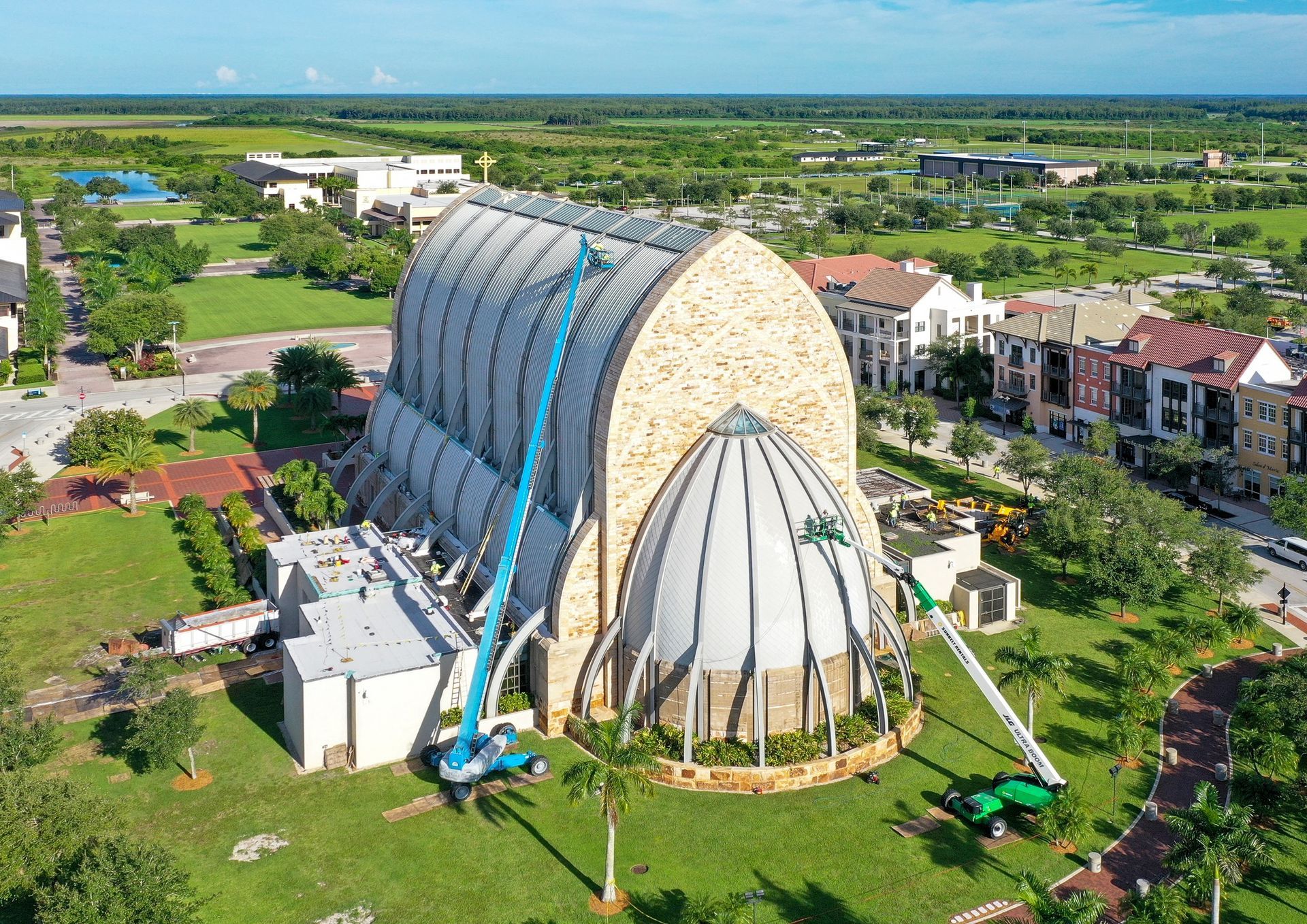
Geometry and adjoining work shape the installation.
Compatible details connect the surface to the assembly.
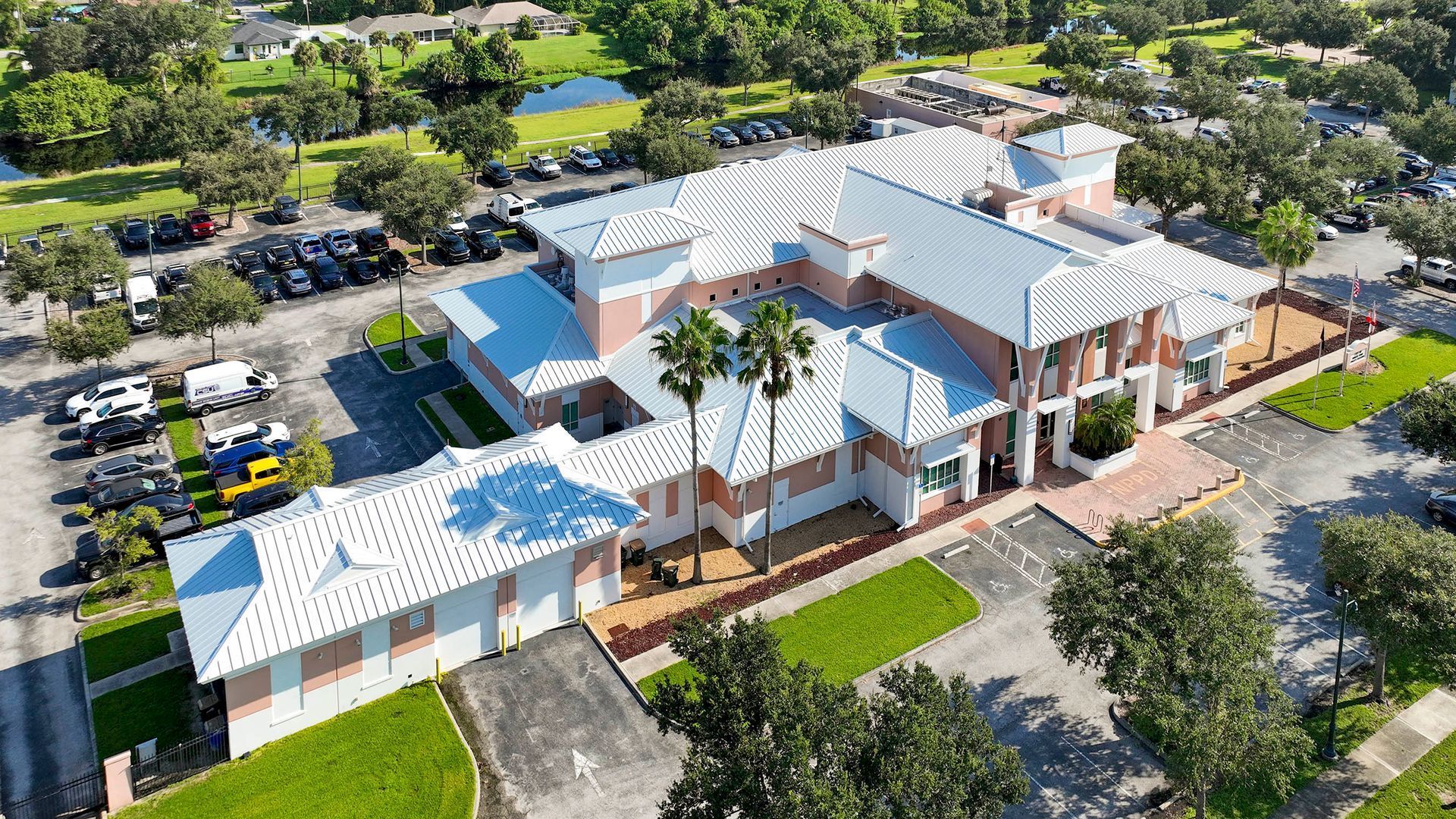
Images from Crowther’s published commercial pages illustrate roofing capabilities. They are not presented as completed projects in Charlotte Park.
Discuss a Comparable Commercial ProjectTell us which Charlotte Park building needs attention and how it connects to the rest of the property.
We can discuss a commercial assessment that clarifies the roofing condition, work boundaries and next steps.
Request a commercial roofing consultation with the complete address, requested roof areas and authorized property contact.
Commercial roofing for Charlotte Park property owners and managers.