Active Leaks or Water Intrusion
Dripping, interior staining, damp ceiling areas, wet-insulation indicators, or recurring leak reports can point to a roof defect that needs source tracing and repair.



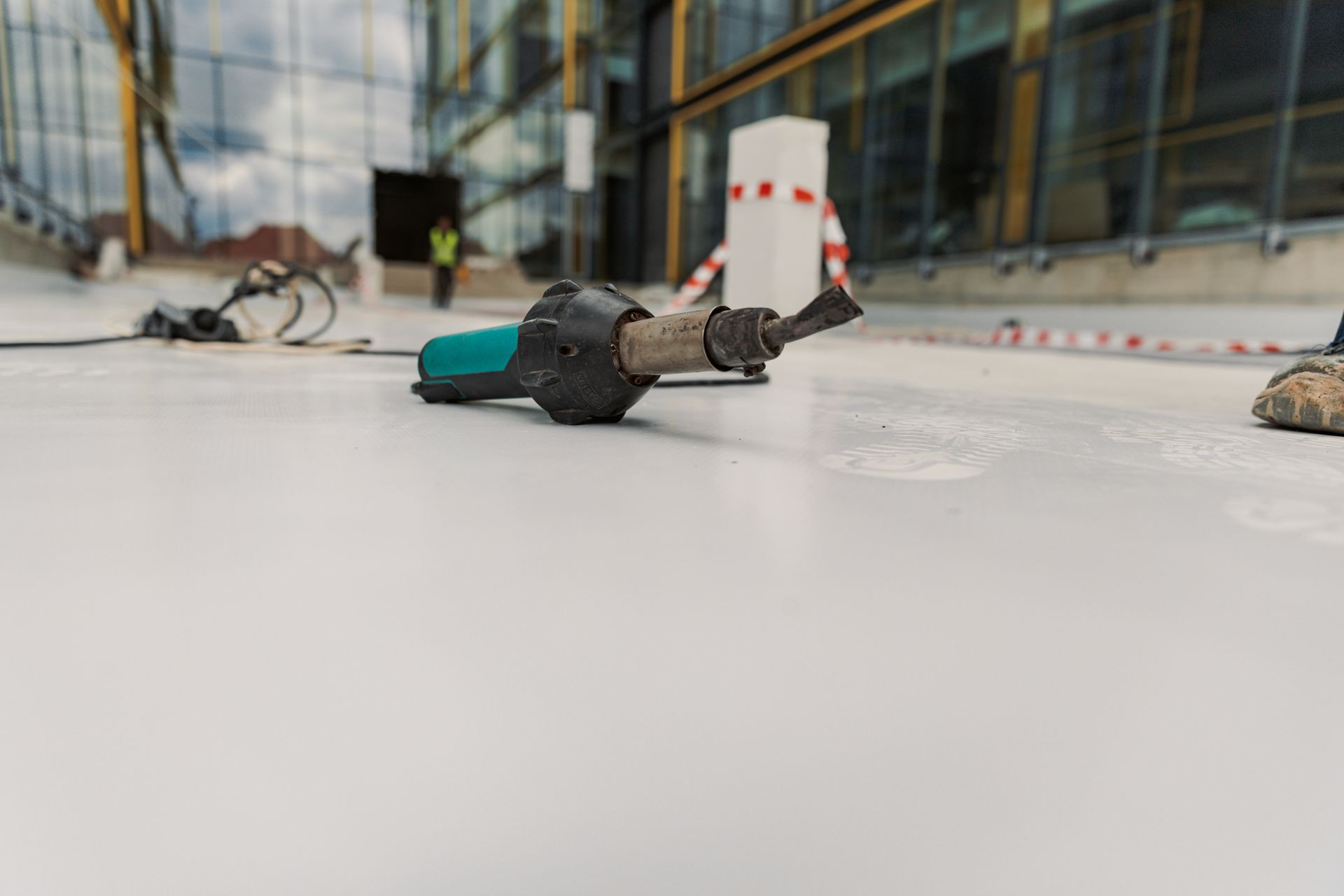


Crowther provides commercial roof repair in Jupiter, FL for active leaks, storm damage, membrane failures, flashing problems, drainage concerns, and other localized commercial roofing issues.
Commercial facilities in Jupiter face Atlantic coastal heat, intense sunlight, heavy seasonal rain, tropical weather, salt exposure, rooftop equipment, drainage demands, and operating schedules that can turn a small roof defect into a larger building problem.
Crowther approaches repair by tracing the problem before prescribing work. The team reviews moisture, drainage, seams, flashings, penetrations, rooftop equipment, access, safety, facility operations, prior repairs, and surrounding roof condition before defining a practical repair scope.
Crowther structures commercial roof repair in Jupiter around condition assessment, leak-source identification, moisture review, compatible repair materials, detail work, verification, documentation, and maintenance planning.
Assess the roof assembly, leak history, visible defects, previous repairs, drainage, penetrations, rooftop equipment, access, and operating constraints before setting the repair scope.
Review Roof Conditions → 02Combine field observations with appropriate diagnostic tools to trace moisture, identify affected insulation or concealed conditions, and narrow the repair area before work begins.
Explore Thermal Imaging → 03Define the damaged area, repair boundaries, compatible materials, any substrate corrections, access, safety, sequencing, and project responsibilities before repair work begins.
Review Project Planning → 04Select repair materials and methods that fit the existing membrane or roof surface, damage pattern, drainage, rooftop equipment, applicable specifications, and the roof’s remaining service potential.
Review Repair Methods → 05Address failed flashings, penetrations, curbs, seams, and transitions with repair details planned around the occupied building, weather protection, and facility access.
See the Repair Process → 06Correct localized substrate damage, wet insulation, drainage details, roof edges, transitions, and related conditions that could undermine a targeted repair.
Understand Repair Conditions → 07Address compatible metal roof problems involving panels, fasteners, seams, flashings, penetrations, transitions, edges, drainage, corrosion, and custom-fabricated details.
Explore Repair Applications → 08Coordinate flashings, edge metal, coping, drainage components, custom transitions, penetrations, and project-specific details so the repair ties into the existing roof correctly.
Explore Sheet Metal Fabrication → 09Coordinate access, staging, work zones, deliveries, noise, occupant safety, rooftop equipment, tenant communication, and repair sequencing around normal facility operations.
Review Facility Coordination → 10Verify the completed repair, document important conditions, outline maintenance responsibilities, and establish the next inspection or monitoring step.
Review Repair Follow-Up →A commercial roof repair evaluation is appropriate when leaks, localized membrane damage, failing details, drainage issues, or storm-related defects appear while the surrounding roof may still be serviceable.
Dripping, interior staining, damp ceiling areas, wet-insulation indicators, or recurring leak reports can point to a roof defect that needs source tracing and repair.
Open seams, punctures, splits, blisters, surface damage, or localized membrane deterioration may admit water even when the overall roof is not yet a replacement candidate.
Problems at walls, curbs, penetrations, equipment, transitions, or perimeter flashings can create concentrated leak paths that call for detail-specific repair.
Damaged drains, scuppers, low areas, debris buildup, or recurring ponding can stress seams and roof details and contribute to repeated water-entry problems.
Wind, debris, wind-driven rain, punctures, lifted edges, displaced materials, and storm-created openings should be documented and stabilized before permanent repair is completed.
Corroded metal, loose perimeter components, deteriorated sealants, failed terminations, and aging transitions can become leak sources or become more vulnerable during severe weather.
A Jupiter retail or hospitality repair near the coastal corridor may require tight access control, while medical, office, or larger commercial properties near Indiantown Road or I-95 can require phased work, equipment coordination, careful staging, and continuous facility access.
Request a Commercial Roof Repair EvaluationThe repair approach should fit the existing roof system, membrane or metal type, substrate and insulation condition, drainage, rooftop equipment, building use, material compatibility, and expected remaining service life.
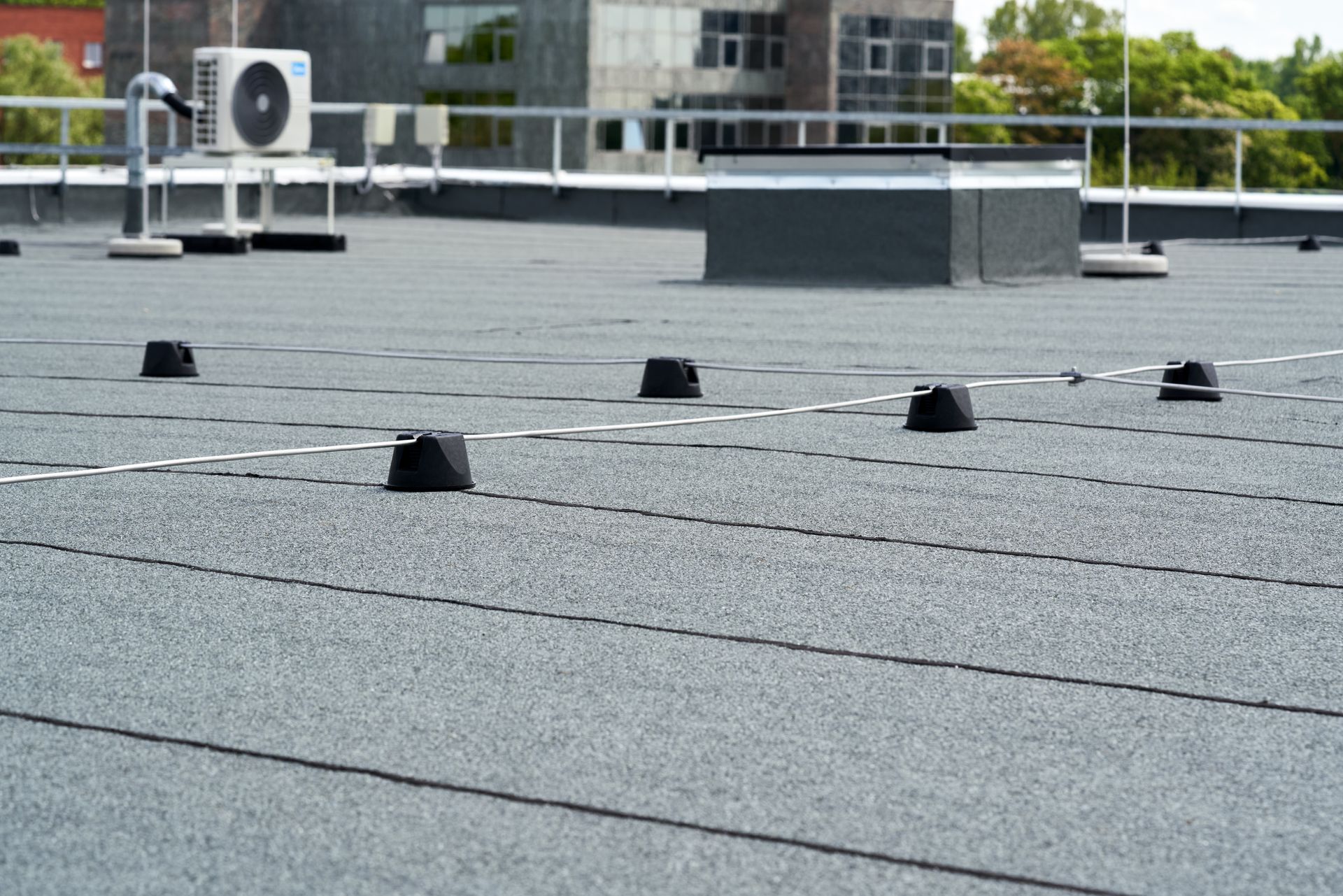
TPO repairs can include compatible welded patches, seam corrections, flashing and penetration details, drainage-related work, and localized insulation or substrate corrections when the surrounding system remains serviceable.
EPDM repair planning considers membrane condition, seams, flashings, penetrations, compatible repair materials, drainage, substrate condition, and how well the surrounding roof is still performing.
PVC repair work may use compatible welded materials and detail corrections at seams, flashings, curbs, penetrations, drains, and other localized defects when the existing system remains repairable.
Modified bitumen repairs are developed around membrane condition, laps, flashings, penetrations, transitions, traffic, substrate conditions, drainage, and compatible repair materials.
Commercial metal roof repair may address compatible issues involving panels, fasteners, seams, flashings, transitions, perimeter conditions, drainage, sealants, and custom-fabricated details.
A properly scoped commercial repair can contain localized damage, protect the building interior, preserve serviceable roof areas, limit disruption, and support better maintenance and capital planning.
Addressing the actual source of water entry helps protect ceilings, insulation, finishes, equipment, inventory, and occupied areas from continued avoidable exposure.
A targeted repair can preserve roof sections that are still performing, helping ownership avoid turning a localized defect into an unnecessary full-roof scope.
Focused repairs can be planned around tenants, customers, employees, deliveries, rooftop equipment, and normal business activity with less disruption than a broad capital roofing project.
Repair documentation and follow-up inspections give facility teams a clearer record of recurring concerns, maintenance priorities, and when larger restoration or replacement planning may eventually be appropriate.
Crowther treats commercial roof repair as an asset-management decision, considering moisture, substrate and insulation condition, drainage, membrane or metal details, penetrations, equipment interfaces, fabrication, safety, facility operations, documentation, and follow-up maintenance.
Plan Your Commercial Roof RepairA commercial roof does not need replacement simply because it leaks. The decision should come from defect location, moisture spread, system condition, repair history, remaining service potential, operational risk, and lifecycle value.
Repair can be the practical path when the defect is identifiable, damage is contained, compatible materials are available, and the surrounding roof remains serviceable enough to justify targeted work.
Replacement may make more sense when deterioration or moisture extends across connected roof areas, repairs repeatedly fail, or the roof can no longer support the facility through Jupiter weather and operating demands.
Crowther evaluates whether repair, restoration, coating, or replacement fits the roof based on documented conditions, moisture findings, system performance, operational risk, repair history, project requirements, and lifecycle value.
Request a Commercial Roof Repair Evaluation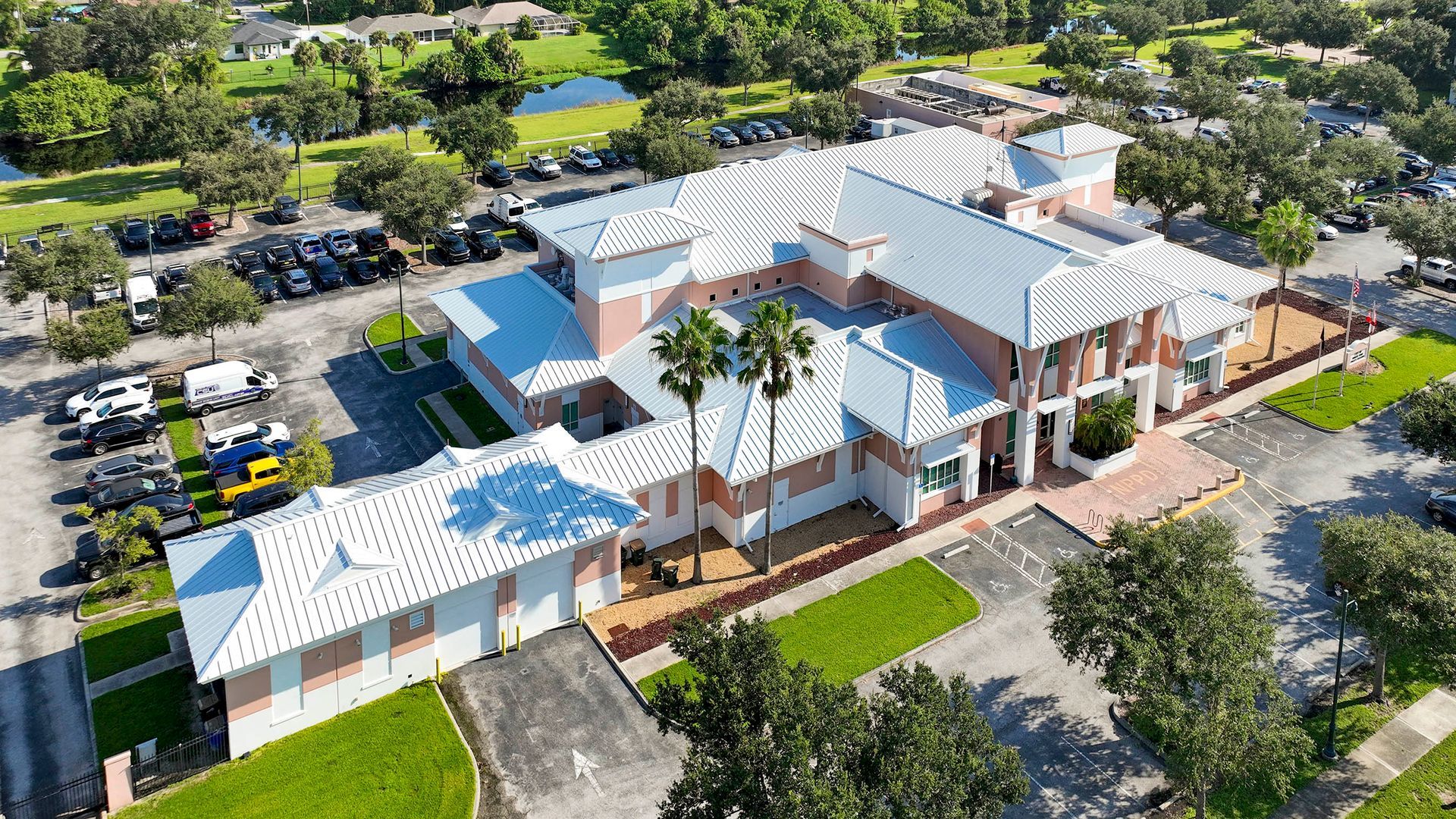
Commercial repair quality often depends on how the work ties into roof edges, walls, penetrations, drainage, rooftop equipment, transitions, and existing structural conditions. Crowther’s roofing and fabrication capabilities help coordinate those details as one scope.
Backed by Springer-Peterson, Crowther can coordinate custom metal fabrication, roof access systems, equipment supports, steel framing, miscellaneous metals, and field fabrication and installation when complex commercial repairs require more than a standard patch.
Commercial repair begins with diagnosis, not guesswork. Crowther structures the work around condition review, leak and moisture tracing, repair boundaries, compatible materials, facility operations, safety, execution, verification, and documentation.
Crowther reviews the roof history, current leak reports, visible conditions, previous repairs, drainage, penetrations, rooftop equipment, access, and facility operating requirements.
The team evaluates moisture indicators, insulation or substrate concerns, damaged roof areas, transitions, system compatibility, relevant drawings or specifications, and known site constraints.
Crowther defines repair materials, access, safety, staging, work zones, temporary protection, trade coordination, communication, and scheduling around the active facility.
The affected area is opened only as needed, concealed conditions are addressed, and compatible repair work is completed around the facility’s operating requirements.
Crowther verifies completed repair work, documents important conditions, explains maintenance responsibilities, and identifies the next inspection or monitoring step.
The repair process is structured to protect the building, occupants, daily operations, schedule, surrounding property, and remaining roofing asset while documenting what was found and completed.
Start a Commercial Roof Repair ConsultationCommercial roof repair in Jupiter requires an understanding of Atlantic coastal weather, drainage, rooftop equipment, active facilities, tropical storm exposure, salt-laden air, access limits, and the challenge of tracing water through large or complex roof areas.
Crowther evaluates those conditions before setting repair boundaries, moisture investigation, substrate corrections, compatible materials, temporary protection, fabrication, work-zone controls, and follow-up. The repair plan is built around the facility rather than a one-size-fits-all patch.
Crowther supports commercial roof repair for Jupiter offices, retail and hospitality properties, medical facilities, multifamily communities, service buildings, warehouses, institutional properties, and mixed-use sites with repair planning matched to access and operations.
A completed repair is not the end of roof management. RoofCheck™ gives Jupiter property owners, property managers, facility teams, and portfolio operators a structured way to monitor repaired areas and the broader roof, document conditions, complete planned maintenance, and identify developing concerns early.
Routine inspection and documented maintenance are especially valuable on Florida’s Atlantic coast, where roofs face intense sun, heavy seasonal rain, wind, debris, humidity, heat, and salt exposure. The goal is to catch new vulnerabilities before they undermine a completed repair.
Explore Commercial RoofCheck™Active leaks, storm damage, exposed roofing, drainage failures, and sudden system damage may require immediate stabilization before a permanent commercial roof repair can be completed.
Crowther evaluates the affected area, documents visible damage, helps reduce additional water entry when conditions allow, and develops a practical path from emergency stabilization to permanent repair, restoration, or replacement when warranted.
Commercial roof repair benefits from defined scope, compatible materials, system documentation, applicable manufacturer requirements, work verification, and a clear record of the maintenance responsibilities that continue after the repair.
Applicable system, product, and coverage requirements depend on the existing roof assembly, selected repair materials, manufacturer instructions, approved details, field conditions, and ongoing maintenance.
Commercial clients benefit from a clear record of what was inspected, what conditions were found, what was repaired, and what needs future monitoring. Crowther structures repair communication and documentation around that need.
Repair boundaries, materials, access, safety, temporary protection, logistics, facility operations, applicable specifications, and communication are addressed before work begins.
Completed repair work is reviewed, key conditions are documented, follow-up recommendations are confirmed, and maintenance and inspection responsibilities are discussed.
Long-term roof protection improves when ownership keeps repair records organized, responds to developing concerns, schedules routine inspections, completes recommended maintenance, and follows applicable system and manufacturer requirements.
Crowther combines generations of Florida roofing experience with commercial diagnostics, leak tracing, moisture evaluation, active-facility coordination, in-house fabrication, 24/7 emergency response, documentation, and RoofCheck™ maintenance support.

Documented diagnosis. Focused repairs. Better long-term roof visibility.
Crowther has the field resources, commercial focus, coordination capacity, and infrastructure to support isolated repairs, complex leak investigations, emergency stabilization, and multi-property service needs.
Selective opening, temporary protection, substrate corrections, compatible repair work, staging, safety, weather planning, and active operations are managed as one coordinated repair scope.
In-house sheet metal fabrication supports tighter control over flashings, edge metal, coping, drainage details, transitions, fit, and repair coordination.
Existing conditions, moisture, insulation, drainage, roof type, building use, rooftop equipment, specifications, and material compatibility guide the repair approach.
Owners, general contractors, property managers, tenants, employees, customers, and facility teams receive clear communication about repair scope, scheduling, access, work zones, and follow-up.
Structured inspection, maintenance, and documentation help Jupiter facility teams track repaired areas, maintenance responsibilities, budget needs, and long-term roof performance.
Commercial roof repair decisions involve diagnosing the actual defect, understanding moisture spread, matching materials to the existing system, protecting active operations, documenting the work, and recognizing when repair is no longer the right scale of solution.
Still deciding whether a Jupiter commercial roof needs a focused repair, broader restoration, coating, or replacement? Crowther can review visible conditions, document concerns, explain the practical options, and help define the next step.
Request a Commercial Roof Repair EvaluationCommercial roof repair should be matched to the existing assembly, defect type, moisture condition, drainage, substrate, rooftop equipment, facility operations, material compatibility, and remaining service potential.
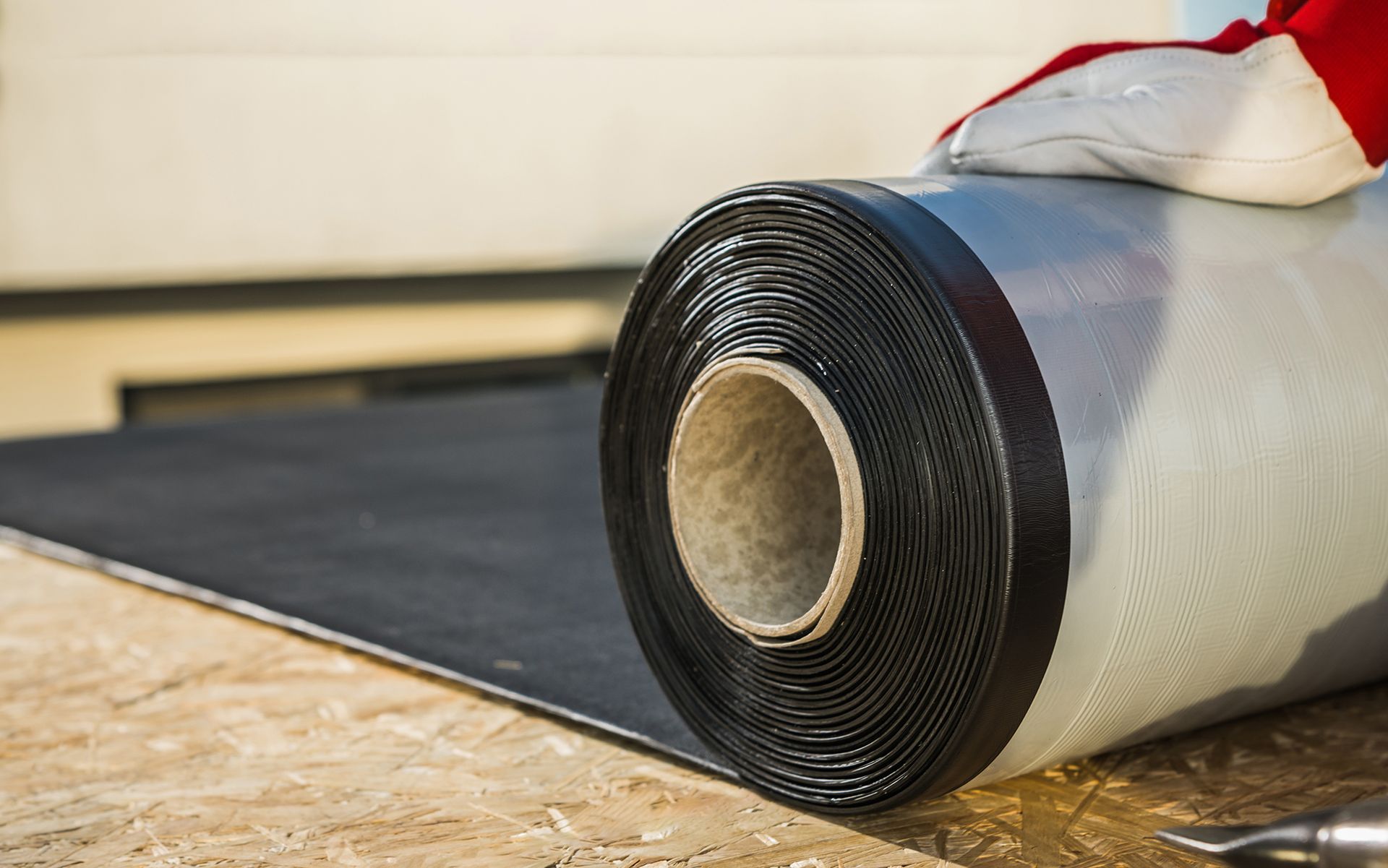
EPDM repair applications are planned around membrane condition, seams, flashings, penetrations, substrate, drainage, operating conditions, and compatible repair materials.
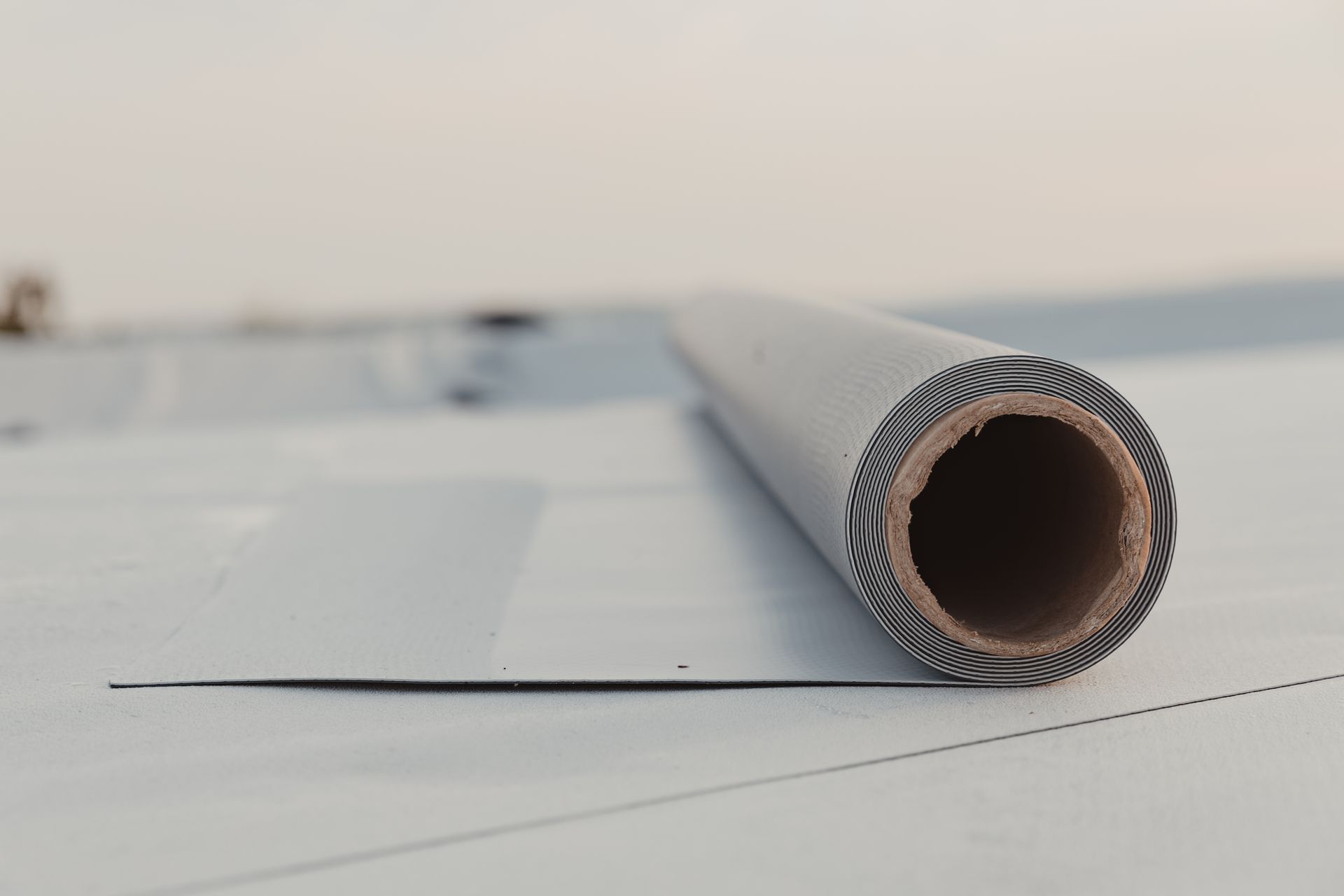
PVC repair work may use compatible welded materials and detail corrections when the surrounding membrane, rooftop conditions, and project requirements support a targeted repair.
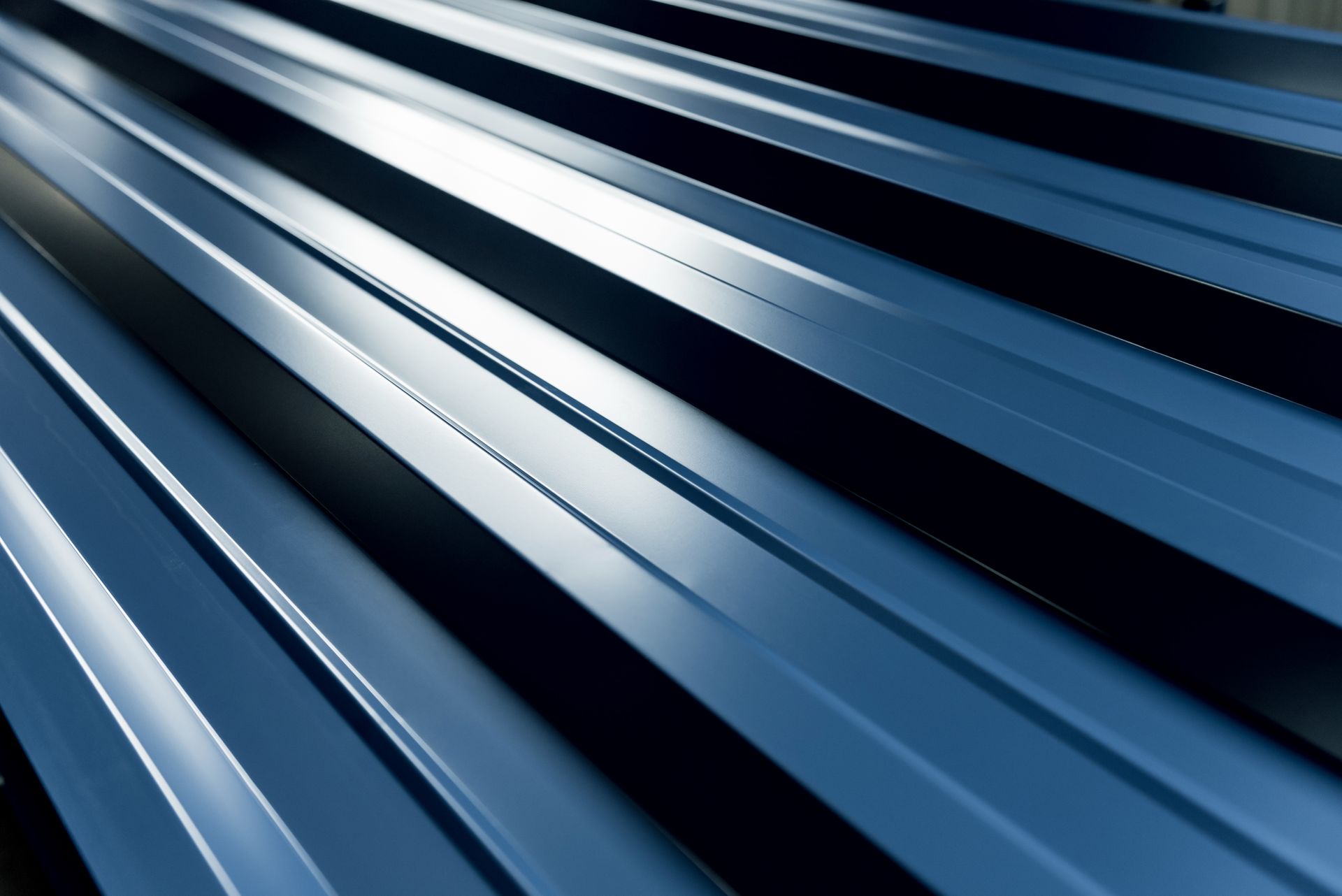
Commercial metal repair may involve panels, fasteners, movement joints, seams, flashings, transitions, perimeter conditions, drainage, sealants, and custom-fabricated components.
Review the existing roof, leak history, moisture findings, operating requirements, and repair options with a commercial team structured to support Jupiter facilities.
Start Your Commercial Roof RepairWhen a commercial roof starts leaking or localized damage appears, a documented repair plan can control water entry, reduce uncertainty, protect operations, preserve serviceable roof areas, and clarify the next maintenance step.
Crowther reviews the roof system, leak history, moisture and insulation concerns, drainage, substrate conditions, rooftop equipment, access, safety, facility operations, fabrication needs, material compatibility, and long-term goals before defining the repair.
Contact Crowther to review your facility, share project information, coordinate a repair evaluation, discuss practical repair options, or arrange 24/7 emergency stabilization before permanent work.
Serving commercial properties in Jupiter and surrounding Florida communities.