Active Leaks or Water Intrusion
Water stains, dripping, damp ceiling areas, wet insulation indicators, or repeated leak calls can signal a defect that needs source tracing and repair.





Crowther provides commercial roof repair in Sarasota, FL for active leaks, storm damage, membrane failures, flashing problems, drainage concerns, and other localized commercial roofing issues.
Commercial facilities in Sarasota face Gulf Coast heat, intense sunlight, heavy seasonal rain, tropical weather, salt exposure, rooftop equipment, drainage demands, and operating schedules that can turn a small roof defect into a larger building problem.
Crowther approaches repair by first identifying the affected roof area and the conditions around it. The team reviews moisture, drainage, seams, flashings, penetrations, rooftop equipment, access, safety, operations, prior repairs, and remaining system condition before defining a practical repair scope.
Crowther structures commercial roof repair in Sarasota around condition assessment, source identification, moisture review, compatible repair materials, detail work, verification, documentation, and maintenance planning.
Review the roof assembly, visible deterioration, leak history, prior repairs, drainage, penetrations, rooftop equipment, access, and operating constraints before setting the repair scope.
Review Roof Conditions → 02Use field observations and appropriate diagnostic tools to trace moisture patterns, identify wet or deteriorated areas, and understand concealed conditions that can change the repair approach.
Explore Thermal Imaging → 03Define the affected roof area, repair limits, compatible materials, substrate corrections, safety, access, sequencing, and responsibilities before repair work begins.
Review Project Planning → 04Match repair methods and materials to the existing membrane or roof surface, observed damage, system condition, drainage, rooftop equipment, specifications, and long-term maintenance needs.
Review Repair Methods → 05Repair failed flashings, curbs, penetrations, transitions, seams, and related waterproofing details while protecting occupied spaces and coordinating around facility operations.
See the Repair Process → 06Address localized wet insulation, damaged substrate, roof edges, drains, scuppers, transitions, and other discovered conditions that affect the durability of a targeted repair.
Understand Repair Conditions → 07Repair compatible metal roof areas with attention to panels, fasteners, seams, flashings, penetrations, transitions, edges, drainage, corrosion, and custom-fabricated details.
Explore Repair Applications → 08Coordinate flashings, edge metal, coping, drainage components, custom transitions, penetrations, and project-specific details with the existing roof and the repair area.
Explore Sheet Metal Fabrication → 09Plan access, staging, work zones, deliveries, noise, occupant safety, rooftop equipment, tenant communication, and phased repair activity around facility operations.
Review Facility Coordination → 10Review completed repairs, document key conditions, explain maintenance responsibilities, and establish sensible follow-up inspection and monitoring steps.
Review Repair Follow-Up →Commercial roof repair should be evaluated when leaks, localized membrane damage, failing details, drainage problems, or storm-related defects begin affecting the building but the broader roof may still have serviceable life.
Water stains, dripping, damp ceiling areas, wet insulation indicators, or repeated leak calls can signal a defect that needs source tracing and repair.
Open seams, punctures, splits, blisters, surface damage, or localized membrane deterioration can allow water into the assembly before the entire roof needs replacement.
Failed flashings around walls, curbs, penetrations, equipment, transitions, or roof edges are common leak paths that often require detail-specific repair.
Blocked or damaged drains, scuppers, low areas, and recurring ponding can stress seams and details and may contribute to repeated water-entry problems.
Wind, wind-driven rain, debris, displaced materials, punctures, lifted edges, and storm-created openings should be documented and stabilized before permanent repair is completed.
Corroded metal, loose edge components, deteriorated sealants, failing terminations, and aging transition details can become leak sources or worsen during severe weather.
A downtown Sarasota hospitality repair may require controlled guest access and quiet work windows, while medical, retail, office, or industrial properties can require phased repairs, equipment coordination, careful staging, and continuous facility access.
Request a Commercial Roof Repair EvaluationRepair method selection should account for the existing roof system, membrane or metal type, substrate and insulation condition, drainage, rooftop equipment, building use, compatibility, and the expected remaining service of the roof.
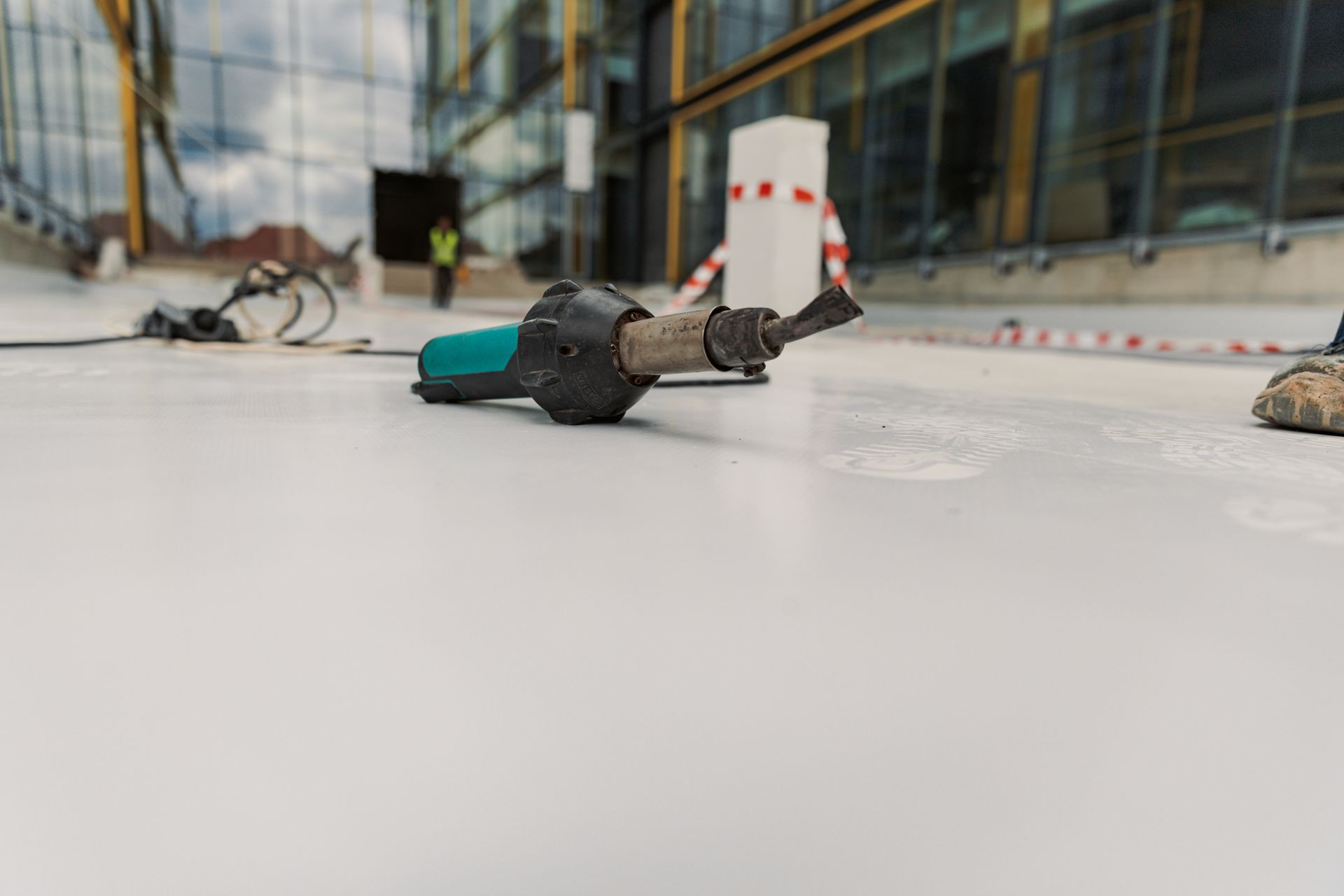
TPO repair work may involve compatible heat-welded patches, seam corrections, flashing repairs, penetration details, drainage-related work, and localized insulation or substrate corrections where conditions support repair.
EPDM repairs are planned around membrane condition, seams, flashings, penetrations, compatible repair materials, substrate conditions, drainage, and the performance of surrounding roof areas.
PVC repairs may use compatible welded repair materials and detail corrections around seams, flashings, curbs, penetrations, drains, and other localized defects when system condition supports repair.
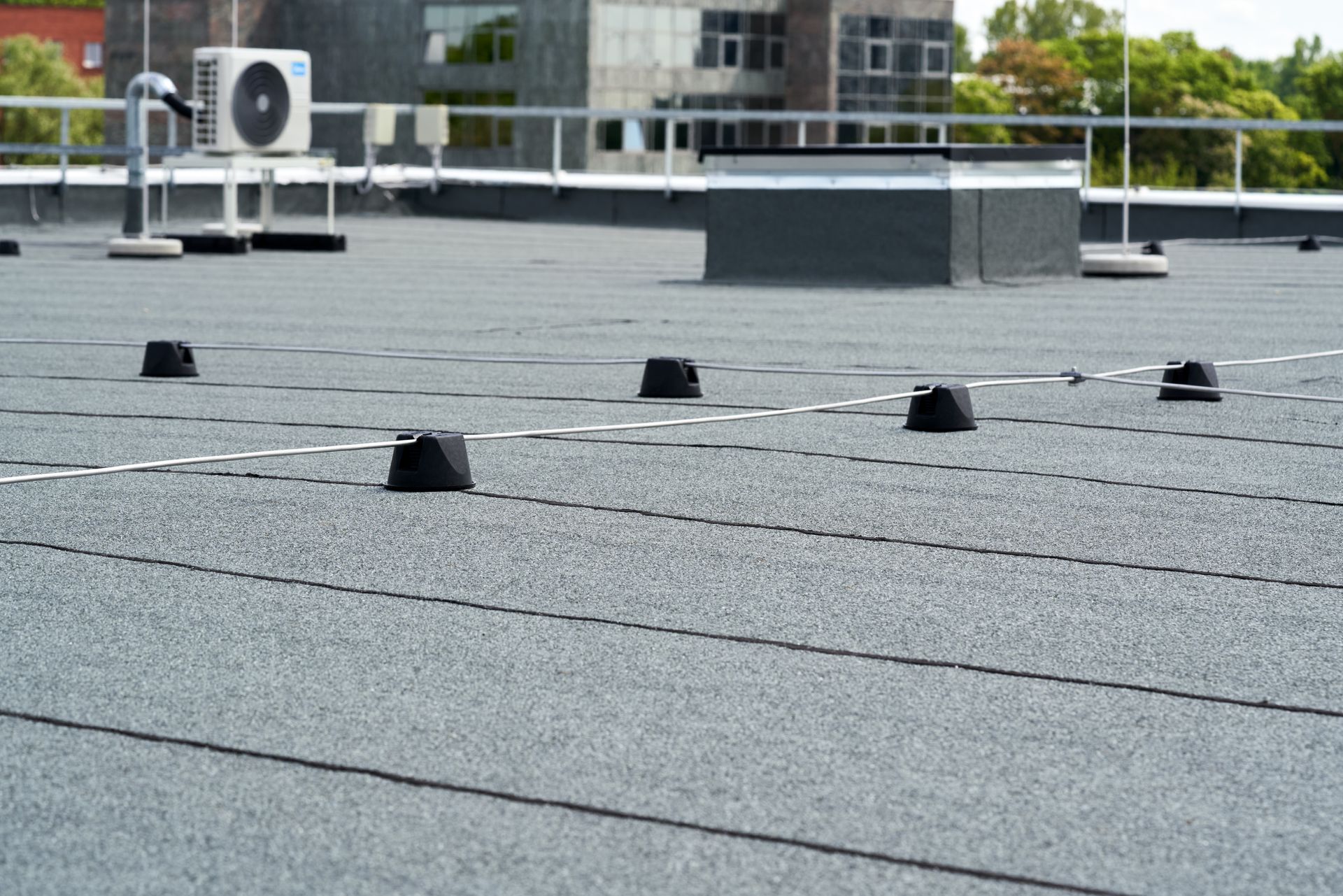
Modified bitumen repairs are evaluated around membrane condition, laps, flashings, penetrations, transitions, traffic areas, substrate conditions, drainage, and compatible patching or detail work.
Commercial metal roof repair can address compatible panel, fastener, seam, flashing, transition, edge, drainage, sealant, and custom-fabricated detail problems after the affected area is evaluated.
A well-scoped commercial repair can stop localized water entry, protect interior spaces, preserve serviceable roofing, reduce operational disruption, and create clearer maintenance and budgeting decisions.
Repairing the actual source of a leak helps protect ceilings, insulation, finishes, equipment, inventory, and occupied areas from avoidable continued exposure.
Targeted repair can preserve roof areas that remain serviceable, helping ownership avoid treating an isolated defect as if the entire roofing system has failed.
Focused work can often be coordinated around tenants, customers, employees, deliveries, rooftop equipment, and active operations with less disruption than broader capital roofing work.
Documented repair findings and follow-up inspections give facility teams a clearer record of recurring concerns, maintenance priorities, and when larger restoration or replacement planning may become appropriate.
Crowther treats commercial roof repair as part of building-asset management. The scope considers moisture, substrate and insulation conditions, drainage, membranes or metal, penetrations, equipment interfaces, fabrication, safety, active operations, documentation, and follow-up maintenance.
Plan Your Commercial Roof RepairCommercial roof repair is appropriate when the defect is repairable and the surrounding system still has credible service value. Replacement enters the conversation when damage, moisture, age, or repeated failures extend beyond a practical repair scope.
A focused repair may be the practical choice when the source can be identified, damage remains localized, compatible materials are available, and the surrounding assembly still has useful service potential.
Replacement may make more sense when deterioration or moisture extends across connected roof areas, repairs are repeatedly failing, or the roof can no longer support the facility through Sarasota weather and operating demands.
Crowther evaluates repair, restoration, coating, or replacement based on documented conditions, moisture findings, system performance, operational risk, repair history, project requirements, and lifecycle value.
Request a Commercial Roof Repair Evaluation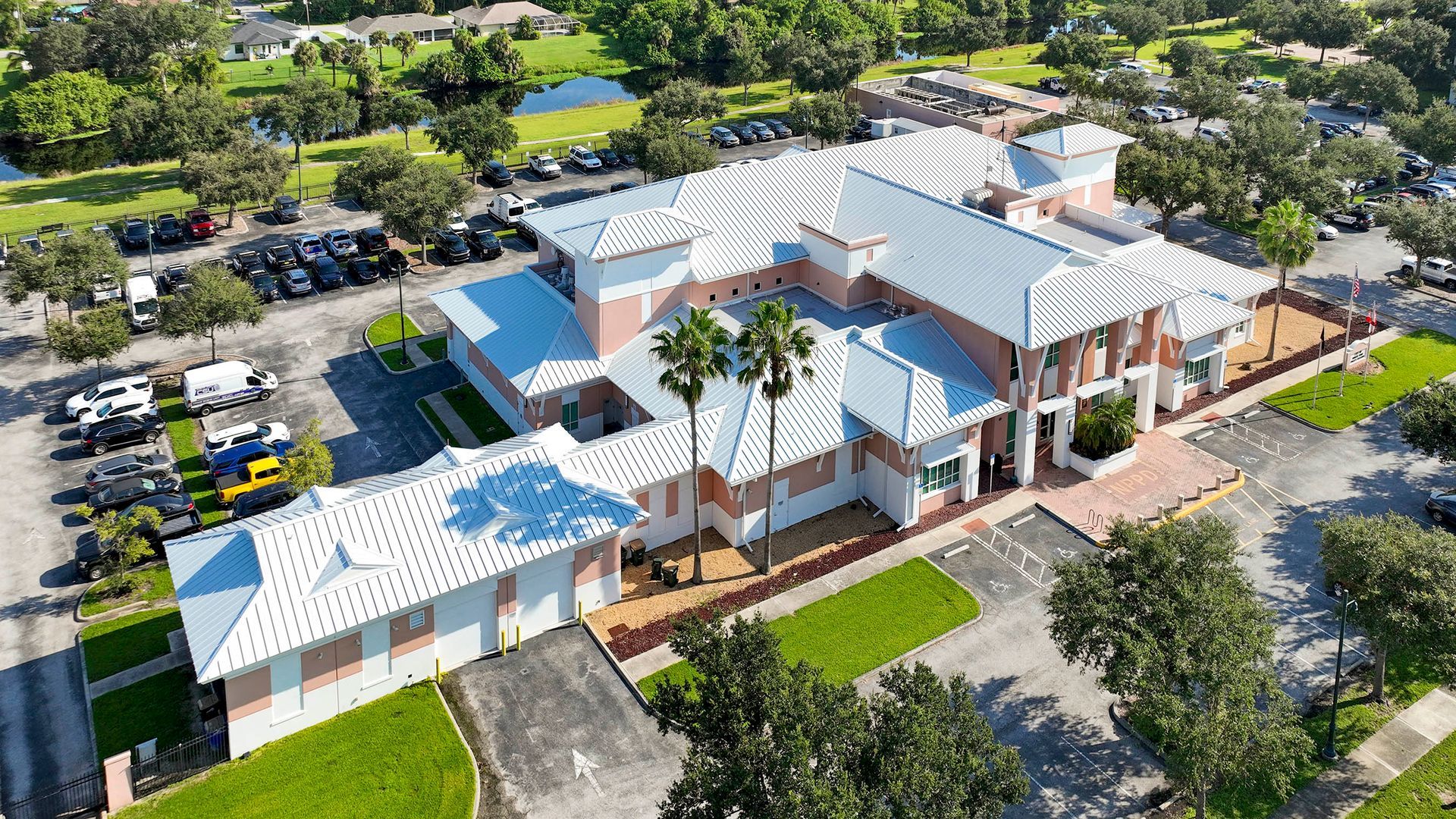
Commercial roof repairs often succeed or fail at the details connecting membranes or metal to edges, walls, penetrations, drains, equipment, and transitions. Crowther’s roofing and fabrication capabilities help coordinate those conditions without unnecessary handoffs.
Backed by Springer-Peterson, Crowther can coordinate custom metal fabrication, roof access systems, equipment supports, steel framing, miscellaneous metals, and field fabrication and installation when those capabilities are needed for complex commercial roof repair.
Commercial repair starts with identifying the problem rather than guessing at it. Crowther structures the work around evaluation, leak and moisture tracing, repair scope, material compatibility, operations, safety, execution, verification, and documentation.
Crowther reviews the facility, roof history, active leak reports, visible conditions, previous repairs, drainage, penetrations, rooftop equipment, access, and operating requirements.
The team evaluates moisture indicators, insulation and substrate concerns, damaged roof areas, transitions, system compatibility, drawings or specifications when applicable, and known project constraints.
Crowther defines repair materials, safety, access, staging, work zones, temporary protection, trade coordination, communication, and scheduling around active facility needs.
Affected materials are opened or removed only as needed, discovered conditions are addressed, and the repair is completed with compatible details around active-facility requirements.
Crowther reviews completed repairs, documents key conditions, explains maintenance responsibilities, and identifies the next inspection, monitoring, or asset-management step.
The repair process is planned to protect the building, occupants, operations, schedule, surrounding property, and the remaining roofing asset while creating a clear record of the work completed.
Start a Commercial Roof Repair ConsultationCommercial roof repair in Sarasota requires an understanding of Gulf Coast weather, drainage, rooftop equipment, active facilities, storm exposure, coastal conditions, access limits, and the challenge of tracing water through large or complex roof areas.
Crowther evaluates those conditions before defining repair boundaries, moisture investigation, substrate corrections, compatible materials, temporary protection, fabrication, work-zone controls, and follow-up. The repair is built around the facility rather than forced into a generic patching routine.
Crowther supports commercial roof repair for Sarasota offices, hospitality properties, retail centers, medical and institutional facilities, multifamily communities, warehouses, industrial buildings, and mixed-use properties with repair planning matched to access and operations.
A successful repair should be followed by continued roof management. RoofCheck™ gives Sarasota property owners, property managers, facility teams, and portfolio operators a structured way to monitor repaired areas and the broader roof, document conditions, complete planned maintenance, and identify developing concerns early.
Routine inspection and documented maintenance are especially valuable on Florida’s Gulf Coast, where roofs face intense sun, heavy seasonal rain, wind, debris, humidity, heat, and coastal exposure. The goal is to catch new vulnerabilities before they undo the value of a completed repair.
Explore Commercial RoofCheck™Active leaks, storm damage, exposed roofing, drainage failures, and sudden system damage may require immediate stabilization followed by a documented permanent repair plan.
Crowther evaluates affected areas, documents visible conditions, helps reduce additional water entry when conditions allow, and develops a practical path from emergency stabilization to permanent repair, restoration, or replacement when warranted.
Commercial roof repair benefits from clear scope control, compatible products, system documentation, manufacturer requirements when applicable, work verification, and a record of the maintenance responsibilities that continue after repair.
Applicable product, system, and coverage requirements depend on the existing assembly, repair materials, manufacturer instructions, approved details, project scope, field conditions, and ongoing maintenance.
Commercial clients need a clear record of what was evaluated, what conditions were found, what was repaired or corrected, and what should be monitored next. Crowther structures repair communication and documentation around that need.
Repair limits, materials, access, safety, temporary protection, logistics, operations, specifications or submittals when applicable, and communication are addressed before work begins.
Completed repairs are reviewed, key conditions are documented, follow-up recommendations are confirmed, and maintenance and inspection responsibilities are discussed.
Commercial roof protection remains strongest when ownership keeps repair records, responds to developing concerns, schedules routine inspections, completes recommended maintenance, and follows applicable system and manufacturer requirements.
Crowther combines generations of Florida roofing experience with commercial diagnostics, leak and moisture evaluation, active-facility coordination, in-house fabrication, 24/7 emergency response, documentation, and RoofCheck™ maintenance support.

Clear diagnosis. Controlled repairs. Long-term roof visibility.
Crowther has the field resources, project coordination, commercial focus, and infrastructure to support isolated repairs, complex leak investigations, emergency stabilization, and multi-property repair needs.
Selective opening, temporary protection, substrate corrections, compatible repair work, staging, safety, weather planning, and facility operations are managed as connected parts of the repair.
Sheet metal fabrication and custom components give Crowther greater control over flashings, edge metal, coping, drainage details, transitions, fit, and repair coordination.
Existing conditions, moisture, insulation, drainage, roof type, building use, rooftop equipment, specifications, and repair compatibility guide the recommended approach.
Owners, general contractors, property managers, tenants, employees, customers, and facility teams receive clear planning around repair scope, schedule, access, work zones, and follow-up steps.
Structured inspection, maintenance, and documentation help Sarasota facility teams track repaired areas, maintenance responsibilities, budget needs, and long-term roof performance.
Commercial roof repair decisions involve finding the source of the problem, understanding moisture spread, confirming material compatibility, protecting operations, repairing details correctly, documenting work, and deciding when a broader solution is more appropriate.
Still deciding whether a Sarasota commercial roof needs a focused repair, broader restoration, coating, or replacement? Crowther can review visible conditions, document concerns, explain the practical options, and help define the next step.
Request a Commercial Roof Repair EvaluationA commercial repair should be matched to the existing roof assembly, defect type, moisture condition, drainage, substrate, rooftop equipment, operating requirements, compatible materials, and remaining service expectations.
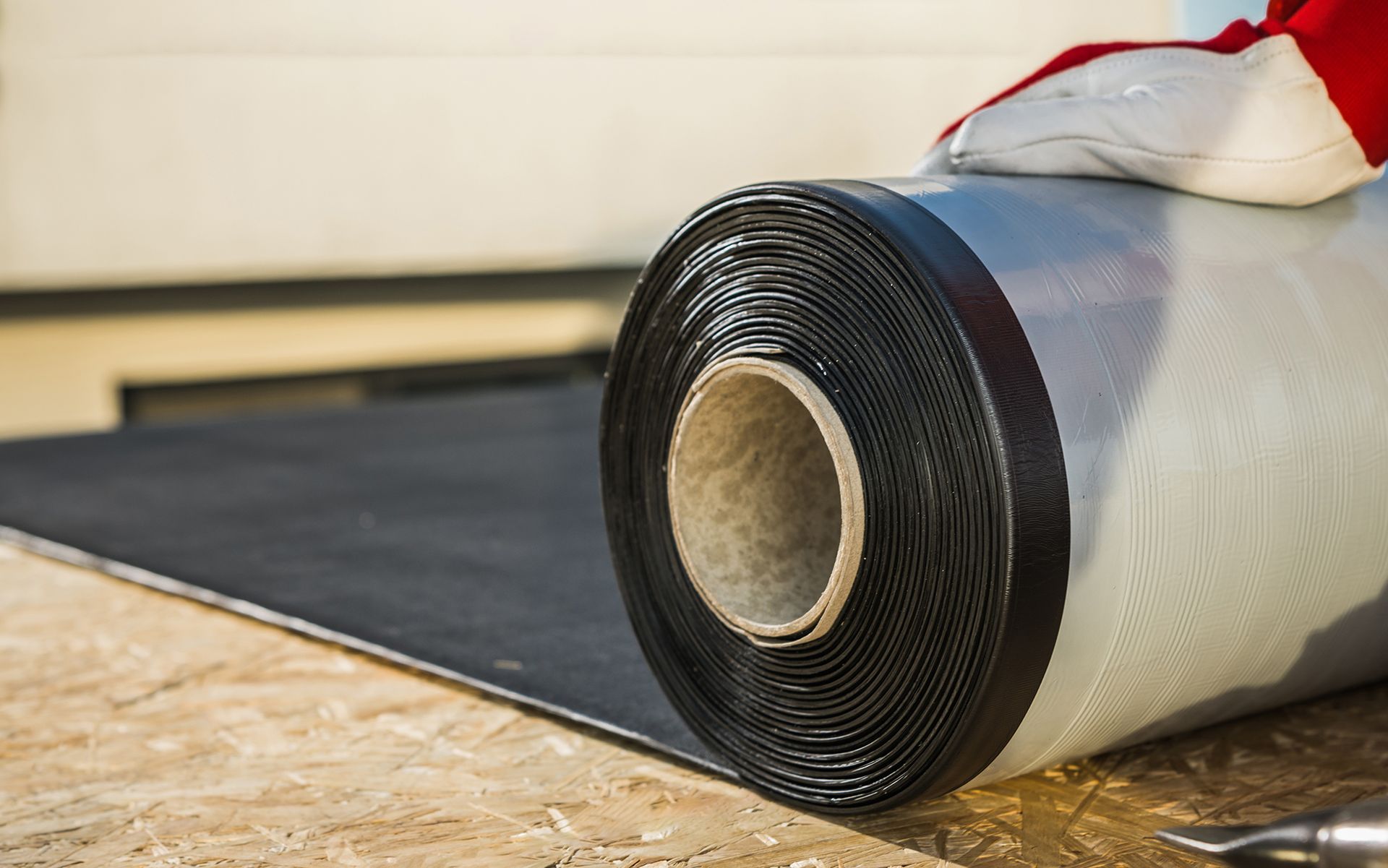
EPDM repair applications are evaluated around membrane condition, seams, flashings, penetrations, substrate, drainage, operating conditions, and compatible repair materials.
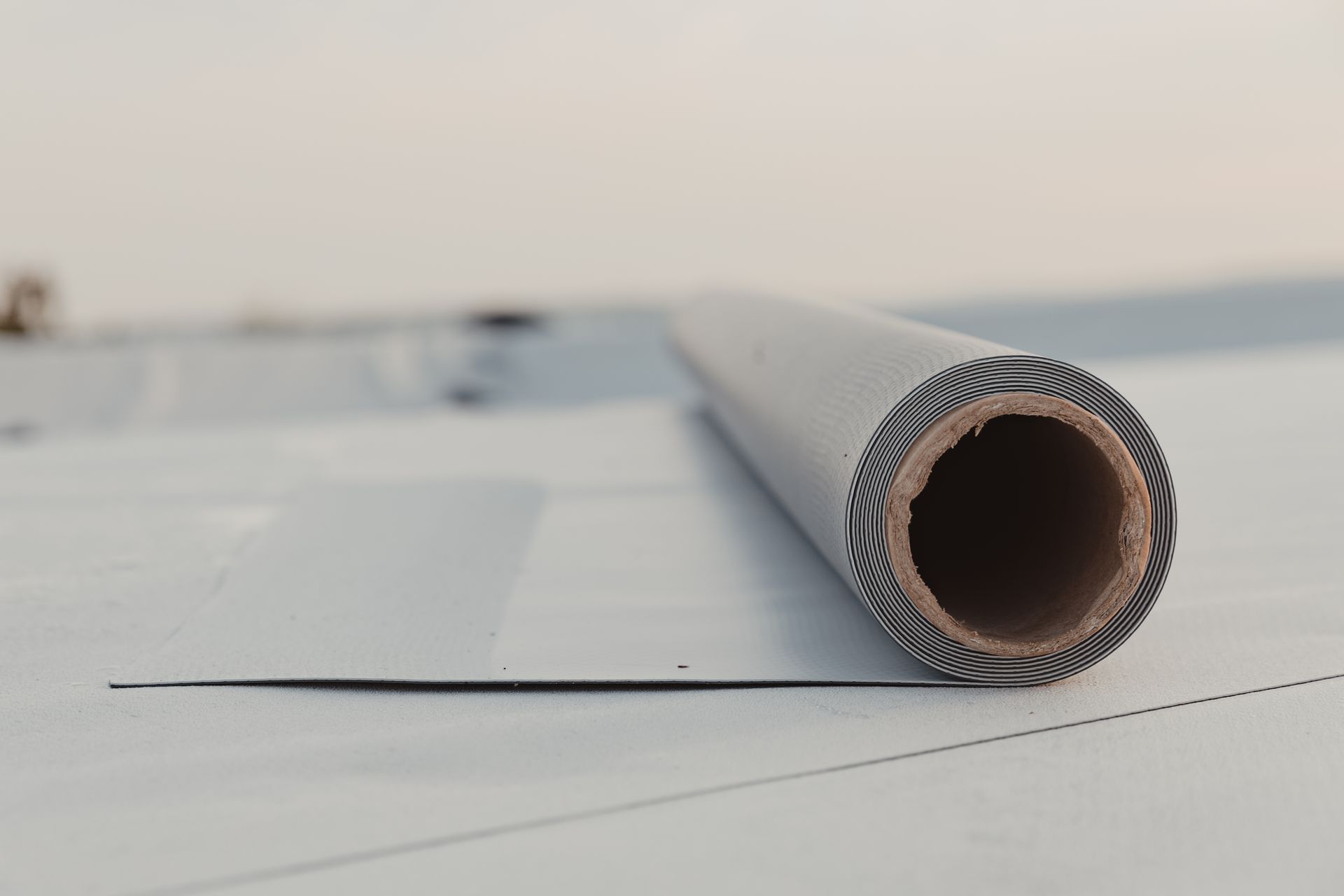
PVC repairs can use compatible welded materials and detail corrections where the surrounding membrane condition, rooftop conditions, and project requirements support targeted work.
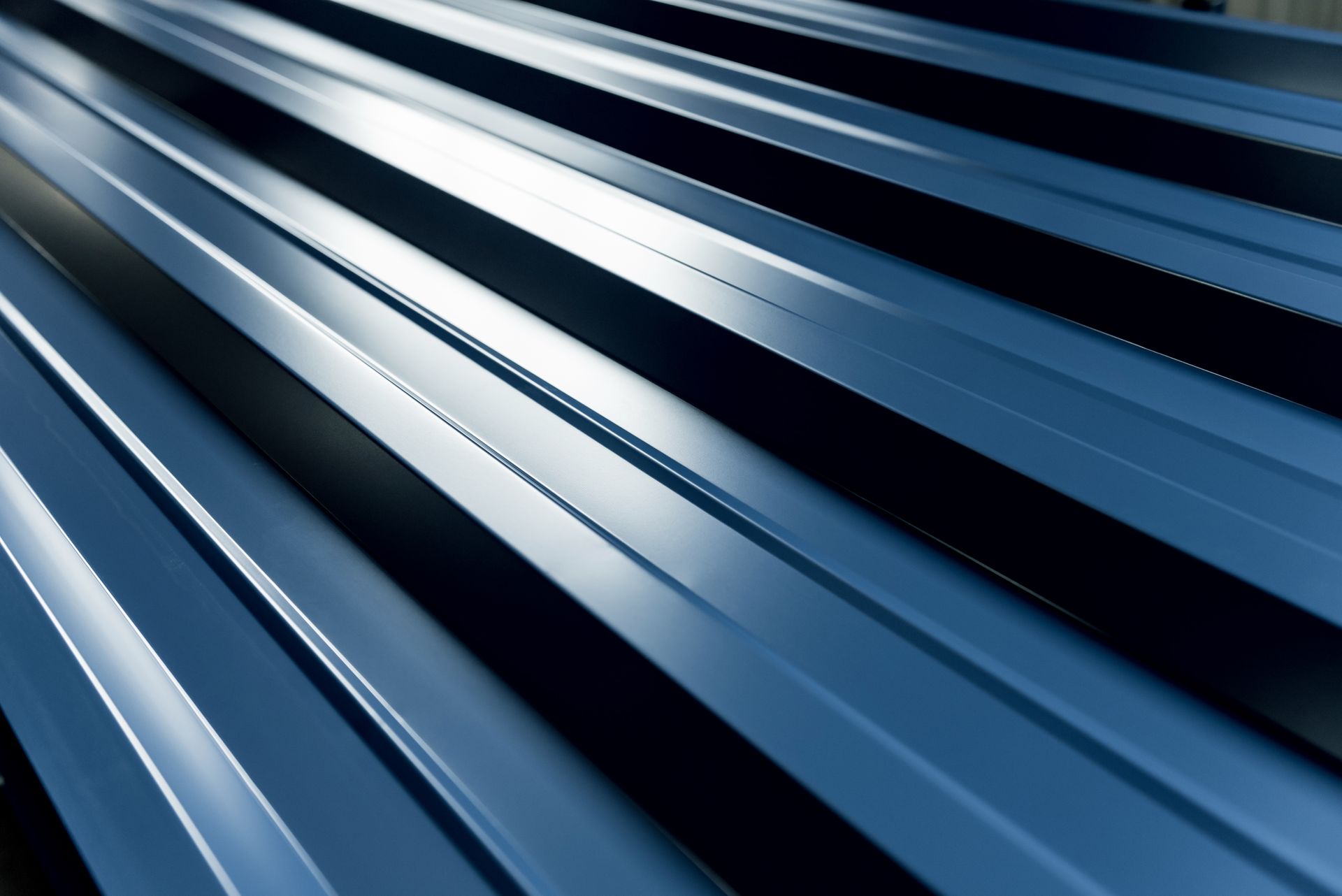
Commercial metal repair can coordinate panel and fastener conditions, movement, seams, flashings, transitions, edges, drainage, sealants, and custom-fabricated components.
Review the existing roof, active concerns, moisture findings, operating requirements, and repair options with a commercial team structured to support Sarasota facilities.
Start Your Commercial Roof RepairWhen a commercial roof starts leaking or a localized defect appears, a documented repair plan can reduce uncertainty, control water entry, protect operations, preserve serviceable roof areas, and clarify what should be monitored next.
Crowther reviews the existing roof, leak history, moisture and insulation concerns, drainage, substrate conditions, rooftop equipment, access, safety, active operations, fabrication needs, repair compatibility, and long-term goals before defining the work.
Contact Crowther to review your facility, submit project information, coordinate a repair evaluation, discuss compatible repair options, or plan 24/7 emergency stabilization before permanent work.
Serving commercial properties throughout Sarasota and surrounding Florida Gulf Coast communities.