Inconsistent System Performance
Leaks, seam failures, flashing defects, drainage trouble, or other recurring problems begin showing up in several roof areas rather than one isolated location.






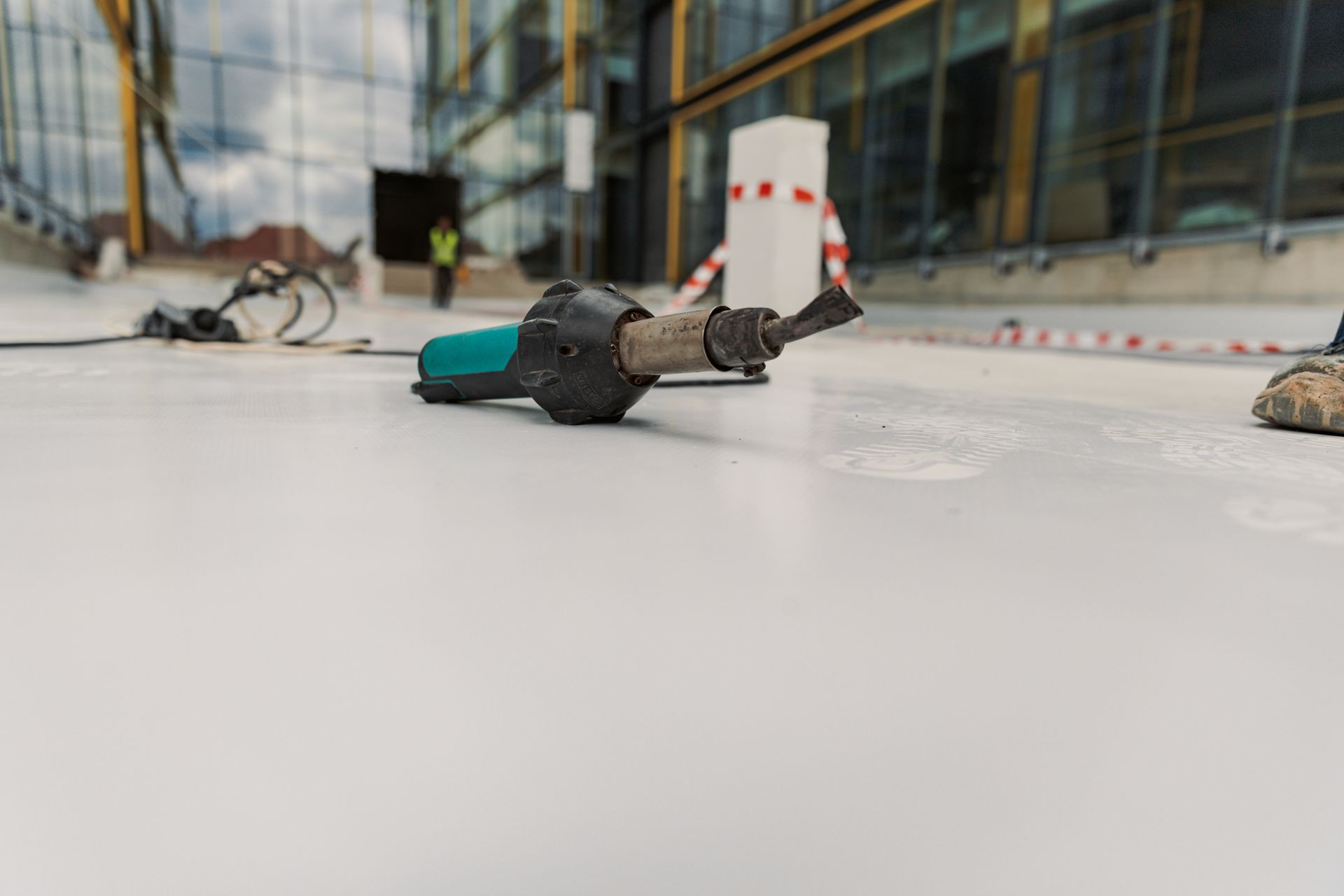


When a commercial roof has moved beyond dependable repair, Crowther plans replacement work for Sarasota properties around the condition of the existing system, the needs of the building, and the realities of keeping a facility functioning during construction.
Sarasota commercial roofs deal with strong sun, heavy seasonal rain, wind-driven water, tropical weather, coastal air, rooftop equipment, and demanding drainage conditions. Replacement also has to be planned around the people and operations inside the building.
Before setting the replacement scope, Crowther reviews the existing roof assembly, moisture concerns, drainage, access, safety needs, rooftop equipment, operating constraints, repair history, system requirements, and the owner's long-term plan for the property.
The work is broken into deliberate stages rather than treated as a single tear-off-and-install task. Crowther begins with the building and roof conditions, develops the scope, coordinates removal and installation, handles project-specific metal details, verifies the completed work, and leaves ownership with a path for future roof care.
The project starts with evidence. Roof construction, failure patterns, past repairs, water movement, penetrations, mechanical equipment, access routes, and day-to-day building activity are documented before the replacement plan is set.
Review Existing Conditions → 02Visible roof conditions do not tell the entire story. When appropriate, diagnostic work is used to look for trapped moisture, compromised insulation, and hidden conditions that could expand or redirect the planned scope.
Explore Thermal Imaging → 03Before crews mobilize, the team converts the findings into a defined scope that identifies where work will occur, what must be removed or corrected, how phases will be sequenced, and how safety, logistics, and responsibilities will be managed.
Review Project Planning → 04System choice follows the facility assessment. Building use, water movement, existing conditions, rooftop equipment, specifications, performance expectations, and future maintenance all influence which assembly belongs on the roof.
Compare Replacement Systems → 05Carry out tear-off in controlled sections, protect occupied areas, maintain temporary weather protection, and coordinate debris and material movement around the active property.
See the Replacement Process → 06Tear-off can expose conditions that were not visible during the initial review. Deteriorated deck areas, moisture-damaged insulation, unsuitable surfaces, and transition issues are dealt with before they are buried beneath the new roofing system.
See What Can Change the Scope → 07Installation is treated as an integrated assembly. Insulation, membrane or metal, fastening, seam work, penetrations, transitions, perimeter conditions, and drainage details are coordinated so individual components do not work against one another.
Explore Roofing Systems → 08Roof edges and metal details are planned with the roof, not added as an afterthought. Coping, flashings, drainage pieces, penetrations, and custom transitions are fitted to the conditions created by the replacement assembly.
Explore Sheet Metal Fabrication → 09A replacement schedule must fit the property below the roof. Staging, deliveries, noise, access, work zones, occupant protection, equipment constraints, and communication are sequenced around how the facility actually operates.
Review Facility Coordination → 10Completion includes more than the final installed section. Crowther reviews the finished scope, assembles the relevant project records, addresses required closeout items, and gives ownership a clear picture of the inspections and maintenance that should follow.
Review Closeout Planning →Replacement becomes a practical option when the roof no longer performs consistently, repeated repairs fail to hold, or deterioration has spread across connected parts of the assembly.
Leaks, seam failures, flashing defects, drainage trouble, or other recurring problems begin showing up in several roof areas rather than one isolated location.
Age alone does not decide replacement, but an older system with worn materials, repeated repairs, and declining performance may have limited dependable service life left.
A small wet area may be repairable. Replacement becomes a different conversation when moisture has migrated through insulation or across enough of the assembly that isolated work would leave the broader problem in place.
Past repairs are breaking down, needed more often, or appearing in new areas without returning the roof to dependable overall performance.
Perimeter details, flashings, penetrations, drains, scuppers, transitions, and equipment interfaces are no longer working together as a reliable water-management system.
At some point, recurring leaks and emergency calls become an operations issue, not only a roofing issue. A planned capital project can provide more control than continuing to react to failures that interrupt the building.
A large facility near the Fruitville Road and I-75 corridor may need substantial staging and active-site coordination, while properties closer to Sarasota's Gulf-facing coastal areas can require added attention to wind exposure, salt air, corrosion, perimeter details, compatible metals, and long-term water control.
Request a Commercial Replacement EvaluationThe right replacement system depends on the facility, existing roof assembly, drainage, substrate and structural conditions, rooftop equipment, operating needs, project specifications, performance goals, and future maintenance plan.
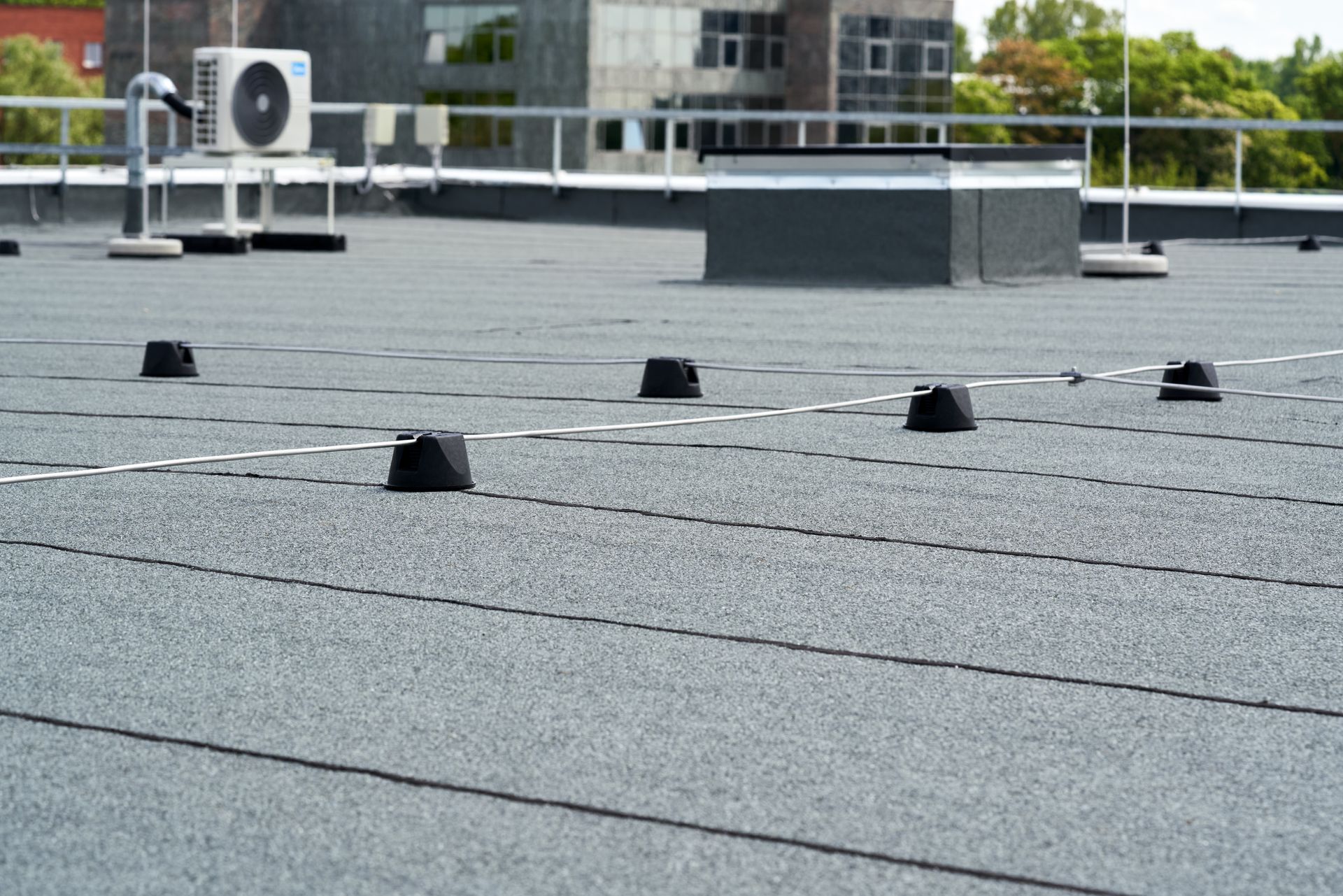
TPO can fit many low-slope commercial roofs, but suitability depends on more than membrane type. The roof configuration, insulation package, attachment strategy, equipment layout, drainage pattern, seam design, specifications, and reflectivity goals all matter.
EPDM may be appropriate where a flexible membrane aligns with the building and the existing roof conditions. Substrate compatibility, water flow, detail work, facility use, and the expected maintenance environment are considered before it is specified.
PVC is considered when a welded membrane matches the project's operating environment and specification. Rooftop exposures, use of the building, detailing needs, and performance priorities help determine whether it is a sensible fit.
Modified bitumen offers a layered low-slope approach that can be useful on roofs with demanding transitions or traffic patterns. Evaluation focuses on the supporting surface, drainage, penetrations, equipment, installation method, and how the system will be used over time.
Commercial metal replacement is a movement-and-detailing problem as much as a panel problem. Panel layout, fastening, thermal movement, perimeter transitions, flashing, drainage, and fabricated pieces have to be designed to function together.
A well-planned replacement can restore reliable roof performance, reduce recurring uncertainty, support facility operations, improve capital planning, and create a more manageable maintenance path for the new system.
Instead of continuing to patch separate weak points, replacement gives the building a roof assembly that can be selected and detailed as one system for the facility's actual use and drainage conditions.
Moving from repeated emergency work to planned capital replacement gives ownership a clearer basis for maintenance scheduling and future budget decisions.
A full project also creates room to correct how water moves across and off the roof. Drains, penetrations, equipment curbs, transition points, perimeter details, and waterproofing can be coordinated during the same scope rather than repaired one at a time.
Good closeout records give ownership a usable history of the new roof. That documentation, paired with inspection and maintenance planning, makes future decisions easier because the facility team can see what was installed and what care the system requires.
Crowther plans commercial replacement as a full building-asset project, coordinating removal, substrate and insulation conditions, drainage, membranes or metal, penetrations, equipment interfaces, fabrication, safety, operations, documentation, and post-project maintenance.
Plan Your Commercial Roof ReplacementReplacement is not the automatic answer to every leak. The better path depends on whether the trouble is local or systemic, how much useful life remains, what moisture has done below the surface, how often repairs have been needed, and what continued disruption would cost the facility.
A focused repair still has value when the defect is limited, nearby roof areas remain sound, and correcting that location gives the owner a credible period of additional service without undermining the broader capital plan.
Replacement may offer better long-term value when deterioration is widespread or the existing roof can no longer support a Sarasota facility through heavy rain, sun, storm exposure, and day-to-day operating demands.
Crowther bases repair, restoration, coating, or replacement recommendations on documented roof conditions, moisture findings, system performance, operating risk, project requirements, repair history, and expected lifecycle value.
Request a Replacement Evaluation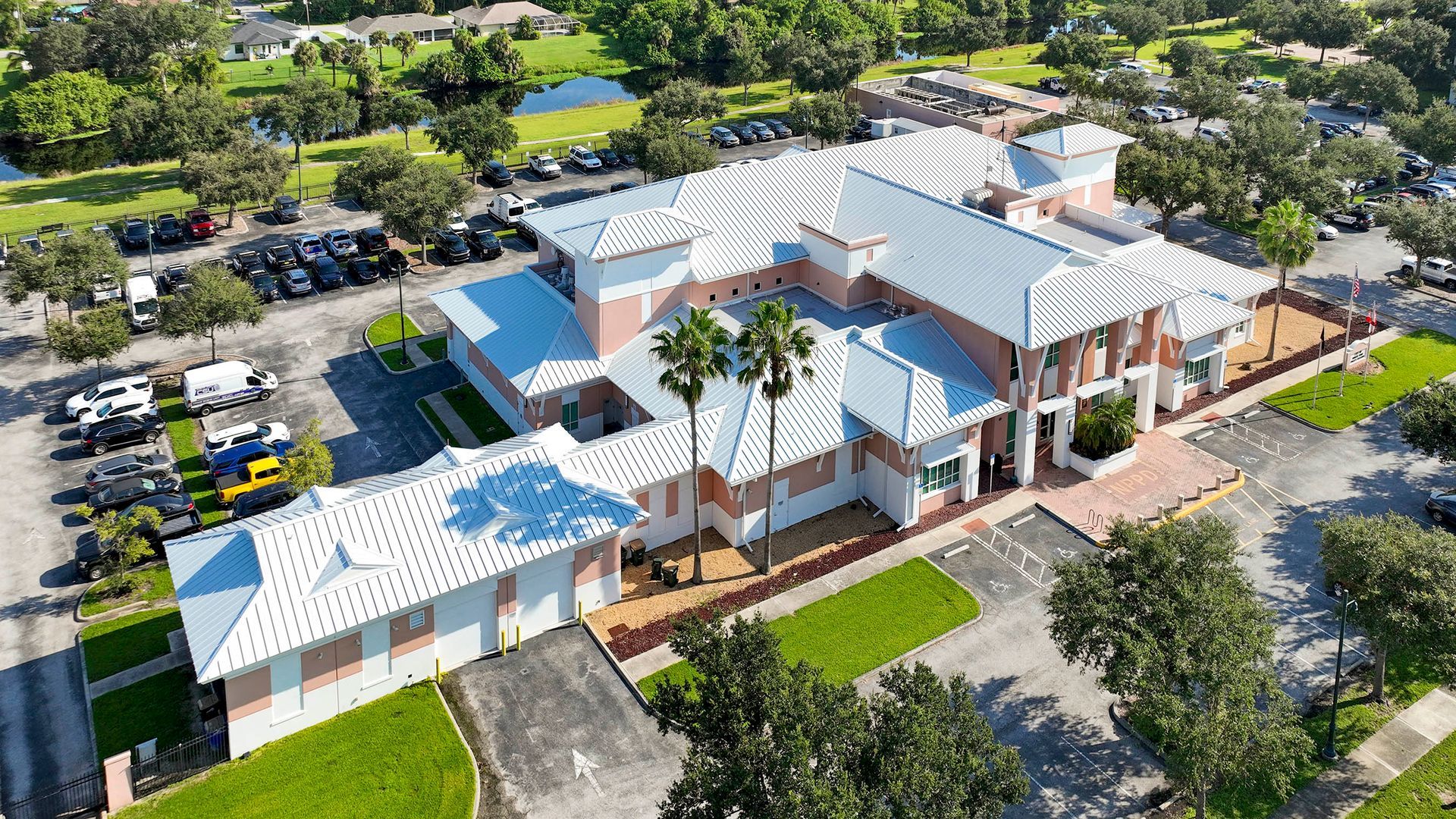
Commercial replacement succeeds or fails at the details where the new roof meets edges, walls, penetrations, drainage, rooftop equipment, transitions, and structural conditions. Crowther's roofing and fabrication capabilities help keep those connected components under coordinated project control.
With Springer-Peterson capabilities available to support complex work, Crowther can coordinate custom metal fabrication, roof access systems, equipment supports, steel framing, miscellaneous metals, and field fabrication and installation within broader replacement scopes.
Commercial roof replacement needs a clear plan before removal begins. Crowther organizes the project around evaluation, defined scope, moisture and substrate conditions, system selection, facility operations, safety, phased execution, verification, and documentation.
Planning begins at the property, not with a product list. The team looks at how the roof has performed, where water has entered, what has already been repaired, how drainage and equipment affect the surface, and what site access or operations will constrain the job.
Those field findings are then reconciled with drawings, specifications, moisture information, insulation condition, substrate needs, transition details, removal limits, and known constraints so the written scope reflects the roof that is actually there.
Before tear-off begins, the project team turns the technical scope into an operating plan. Safety zones, access, staging, weather protection, delivery paths, trade interfaces, sequencing, communication, and schedule are aligned with the selected system.
Tear-off is limited to manageable work areas so the building is not unnecessarily exposed. Conditions uncovered along the way can then be corrected before each portion of the new assembly is completed.
The final phase converts the completed installation into a maintainable asset. Work is reviewed, important conditions are recorded, closeout items are confirmed, and the facility team receives direction for inspections and ongoing care.
Every phase is organized around two goals: complete the roof correctly and keep the property manageable while that happens. Protection of occupants, operations, adjacent areas, schedule, and the finished roof is built into the sequencing and documentation.
Start a Roof Replacement ConsultationCommercial roof replacement in Sarasota has to account for Gulf Coast weather, a wide mix of facility types, site access, drainage, rooftop equipment, storm exposure, staging, occupant needs, and the practical demands of working over an active building.
Crowther reviews those site conditions before setting removal limits, substrate corrections, system choice, phasing, temporary protection, material movement, fabrication, installation, and closeout. The sequence is built around the facility instead of forcing every property into the same plan.
Crowther supports commercial replacement across Sarasota and Sarasota County, including downtown and mixed-use properties, retail and office sites, medical and institutional facilities, industrial and warehouse buildings, multifamily communities, and properties near Gulf Coast corridors.
Roof replacement is only one part of managing a commercial roofing asset. RoofCheck™ gives Sarasota owners, property managers, facility teams, and portfolio operators a structured way to inspect the new system, document conditions, schedule maintenance, and identify developing concerns before they interrupt operations.
Routine inspections and documented maintenance are particularly useful on Florida's Gulf Coast, where commercial roofs face strong sun, seasonal downpours, wind, debris, humidity, heat, and coastal exposure. The objective is to keep the roof's condition visible and manageable after replacement.
Explore Commercial RoofCheck™A replacement project may start with an emergency rather than a scheduled assessment. When water is actively entering, storm damage has opened the assembly, or drainage and roof details have failed suddenly, the immediate priority is to limit further exposure before permanent scope is finalized.
Crowther evaluates the affected roof, records visible conditions, applies practical stabilization measures when conditions allow, and develops a path from emergency response to permanent repair, restoration, or commercial replacement.
The finished roof is only part of the project record. Owners also need to know what system was specified, what details were approved, what was verified during installation, what documentation applies at closeout, and what responsibilities continue after crews leave.
Requirements can change with the roof assembly, product selection, approved details, field conditions, and manufacturer instructions. Those project-specific obligations should be identified during planning rather than assumed from another roof or another property.
A facility team should not have to reconstruct the project months later. Closeout is organized to show the work that was performed, important conditions discovered during tear-off, corrections made, installed components, final checks, and recommended follow-up.
Pre-construction planning answers the practical questions before the roof is opened: what will be removed, what system will replace it, where crews and materials can move, how the building stays protected, and how each phase will be communicated around operations.
Final review documents important conditions, confirms closeout requirements, checks completed work, and clarifies the maintenance and inspection responsibilities that follow installation.
The closeout package becomes more valuable when it stays in use. Keeping records accessible, responding to new concerns, scheduling inspections, and completing recommended maintenance gives future facility decisions better context.
Crowther brings generations of Florida roofing experience together with commercial replacement planning, occupied-facility coordination, fabrication, diagnostics, emergency response, documentation, and post-replacement maintenance support.

Planned execution. Coordinated operations. Commercial capability built for complex work.
Large or multi-phase commercial work requires more than roofing knowledge. Crowther brings field capacity and project coordination resources that can support complicated facilities and broader property portfolios.
Removal is sequenced with weather protection, substrate work, new installation, staging, and safety so one phase does not create avoidable risk for the next or for the facility below.
Keeping fabrication capability connected to the roofing scope helps resolve field-specific metal details without separating the fit, sequencing, and installation decisions from the roof work itself.
Crowther does not begin with one default roof system. The recommendation is shaped by what is already on the building, what moisture and insulation conditions are found, how the roof drains, how the facility is used, and what the project documents require.
Commercial replacement touches many people beyond the roofing crew. Project communication is organized so ownership, construction partners, managers, occupants, and facility staff can understand where work is happening, how access is affected, and what comes next.
After replacement, scheduled inspection and maintenance records give the facility team a better basis for budgeting and early intervention instead of waiting for the next leak to reveal a problem.
Before approving a replacement, owners usually need clarity on much more than membrane type. The questions below address how condition is evaluated, how work affects an occupied property, what can change the scope, and what ownership should expect after installation.
If you are still deciding whether a Sarasota commercial roof needs repair, restoration, coating, or full replacement, Crowther can review the facility, document visible concerns, explain available system paths, and help define a practical next step.
Request a Replacement EvaluationCommercial replacement systems should be matched to the building, existing assembly, drainage, substrate conditions, rooftop equipment, specifications, operating needs, maintenance plan, and expected long-term performance.
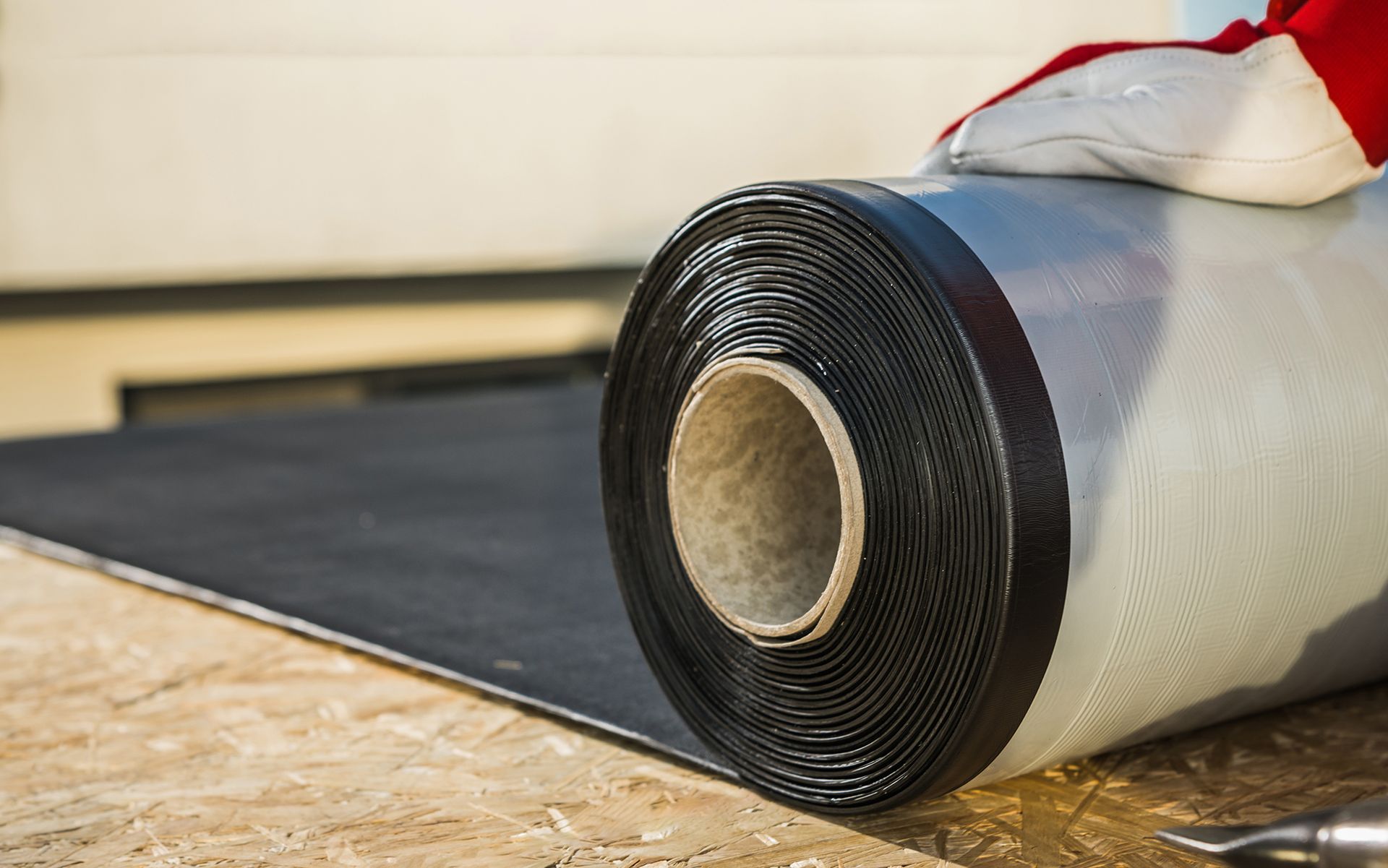
EPDM is considered where a flexible membrane fits the substrate, drainage design, operating environment, detail conditions, and project requirements of the facility.
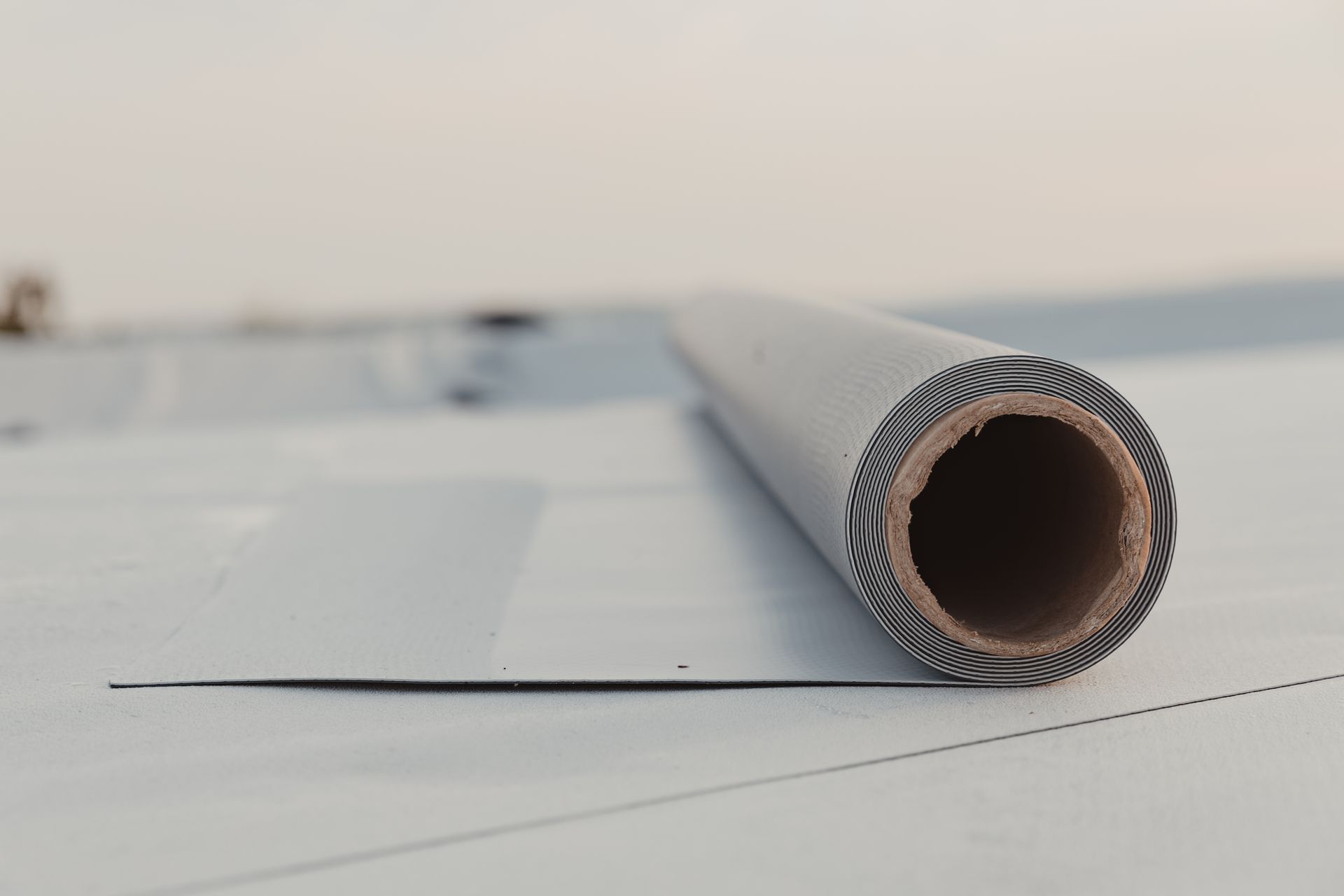
A PVC assembly may fit roofs where welded seams and the membrane's characteristics align with the property's rooftop exposures, use, specifications, and performance priorities.

Metal roof replacement has to accommodate movement while keeping perimeter, flashing, transition, drainage, and attachment details working as one weather-resistant assembly.
Bring the building conditions, operational concerns, and project goals into one conversation before committing to a system or removal plan for a Sarasota commercial roof.
Start Your Replacement ProjectWhen repeated repairs no longer deliver dependable results, a planned commercial roof replacement can reduce uncertainty, restore system reliability, and give ownership a clearer framework for operations, budgeting, maintenance, and long-term roof management.
Before defining the replacement approach, Crowther reviews the existing system, moisture and insulation concerns, drainage, substrate conditions, rooftop equipment, access, safety, facility operations, system options, fabrication needs, documentation, and long-term goals.
Bring Crowther the building history, current roof concerns, operating constraints, and project goals. From there, the team can evaluate conditions and help define whether the next step is emergency stabilization, a focused repair path, or a commercial replacement scope.
Commercial roofing support is available for Sarasota County properties and other supported markets along Florida's Gulf Coast.